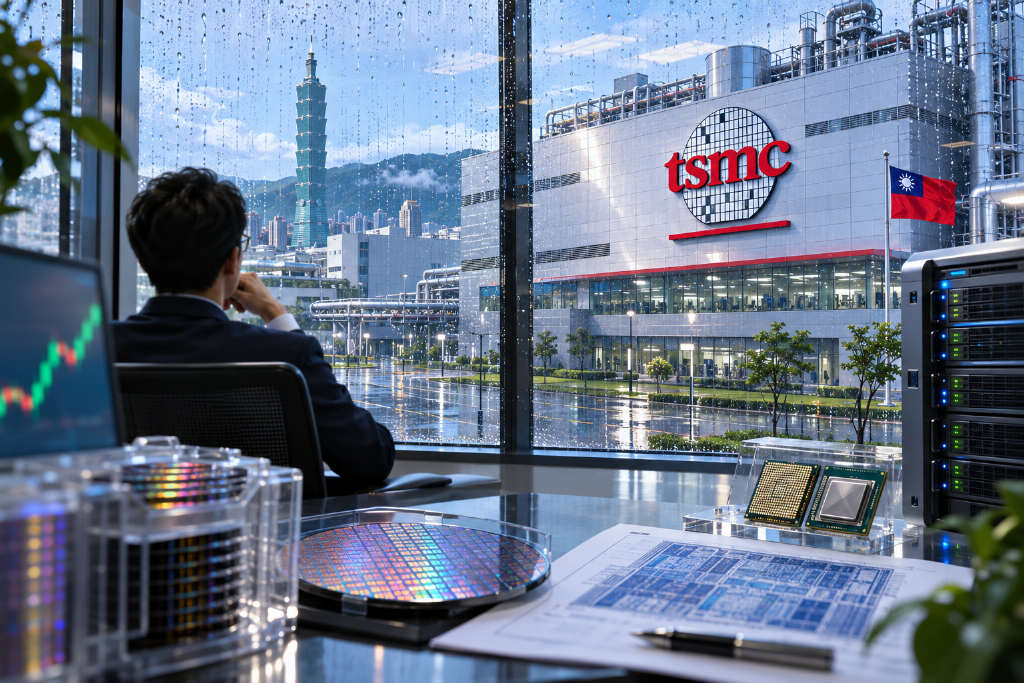
Bernstein has lifted its price target on Taiwan Semiconductor Manufacturing Co. (TSMC) to $600 from $554 and kept its Outperform rating, according to Techub, citing Crypto Briefing. The move follows an earlier increase from $430 to $554. The brokerage said TSMC’s CPU revenue, excluding AI accelerators, could exceed $30 billion by 2027, roughly double its previous estimate of $15 billion to $16 billion. Bernstein said demand is expected to come from AMD, Intel, Apple, Amazon, Google, and Arm. TSMC reported revenue of NT$1.49 trillion in the third quarter of 2026, up 51% year over year. As of Nov. 4 Beijing time, the analyst consensus price target range stood at $529 to $558, placing Bernstein’s new target above that band. Barclays, meanwhile, has a $670 target on the stock.
Bernstein raised its price target on Taiwan Semiconductor Manufacturing Co. (TSMC) to $600 from $554 and maintained an Outperform rating, according to Techub, which cited Crypto Briefing. The brokerage had previously lifted its target from $430 to $554.
CPU revenue forecast revised higher
Bernstein said TSMC’s CPU revenue, excluding AI accelerators, could reach more than $30 billion by 2027. That is roughly double its earlier forecast of $15 billion to $16 billion. The firm said the demand base includes AMD, Intel, Apple, Amazon, Google, and Arm.
Revenue figures and target comparisons
TSMC reported revenue of NT$1.49 trillion for the third quarter of 2026, up 51% from a year earlier. As of Nov. 4 Beijing time, the analyst consensus price target range was $529 to $558. Bernstein’s new $600 target sits above that range, while Barclays has set a $670 target.
This article was originally published by Bit.Fan. For more cryptocurrency news and market insights, visit www.bit.fan. Disclaimer:
The market information, project data, and third-party content displayed on this platform are for industry information sharing only and do not constitute any form of investment advice or return commitment.
Cryptocurrency trading carries high risks. Users should fully assess their risk tolerance and make independent decisions. All profits, losses, and legal responsibilities are borne by the users themselves.