


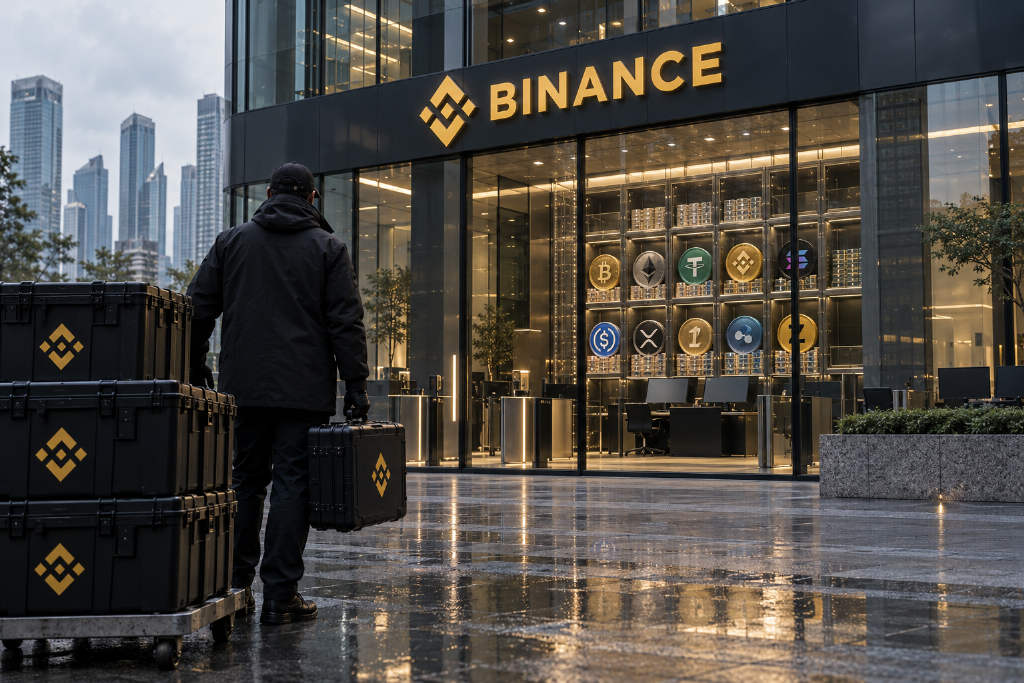
Binance said in a security incident update that it had previously set aside more than $6.34 billion in corporate funds to cover losses from stolen assets. The exchange said the coverage ratio was about 80% at the time and has now risen to 90%.
Tokens already covered in full
According to Binance, BTC, ETH, USDT, BNB, SOL, USDC, XRP, USD1, RLUSD and ZEC have reached 100% coverage. The remaining related tokens will continue to be bought through market purchases and over-the-counter channels until all tokens reach a 100% coverage ratio.
Binance said the financial impact of the stolen funds will be absorbed by the platform, not by users.
Where the top-up funds are coming from
The exchange said the replenishment comes from a partial use of the Secure Asset Fund for Users, or SAFU, part of the contract insurance fund, and Binance corporate funds. It said the partial SAFU draw is expected within the next 24 hours.
The uncovered 10% consists of lower-liquidity assets outside the 10 tokens listed above, and Binance said buying those assets may take longer.
Proof-of-reserves and withdrawal schedule
Binance said it completed a new proof-of-reserves snapshot at 00:00 UTC on Oct. 31 and updated the proof-of-reserves page. The full zero-knowledge proof is expected to take 40 to 50 hours to generate, with timing around Nov. 3 UTC.
Withdrawal services are still moving ahead under the previously announced schedule and are planned to reopen on Sunday, Nov. 1.
Details on SAFU and the contract insurance fund
Binance said SAFU was established in July 2018 and is held and managed by Nest Clearing and Custody Limited, which is regulated by the Financial Services Regulatory Authority of Abu Dhabi Global Market.
The company said it will restore SAFU to about $1 billion and added that the partial use of SAFU is intended to purchase the remaining 10% of assets.
Binance also said that after transferring out balances from the contract insurance fund that were above required levels, the fund still remains above the coverage level required under its existing risk management framework. If the balance falls below that requirement, Binance said it will make up the difference with corporate funds.