
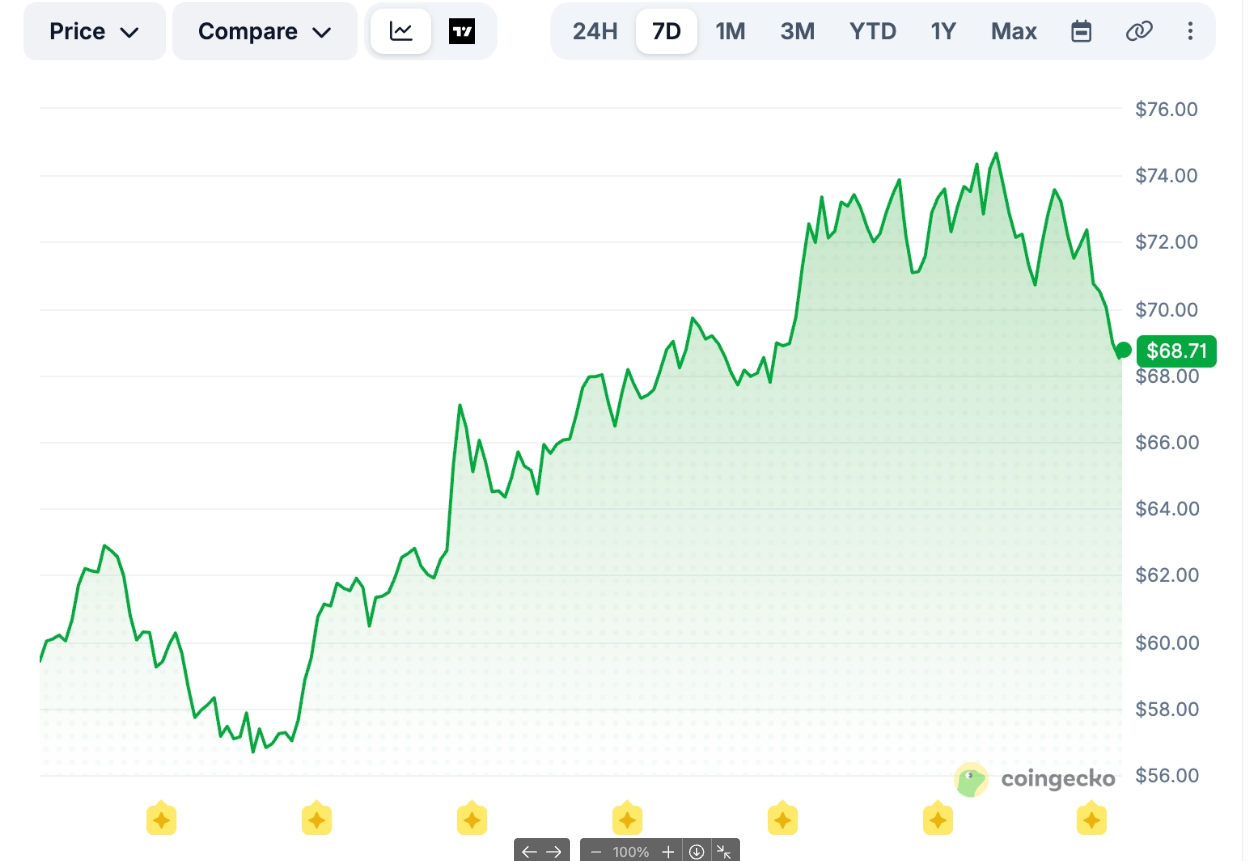
The crypto market suffered a brutal start to June. Bitcoin fell to $66,500, while Ethereum tumbled below the $1,900 mark, recording an 8% decline over 24 hours to $1,855. Solana dropped to $73, and the sell-off spread across major coins, altcoins, and crypto-related stocks.
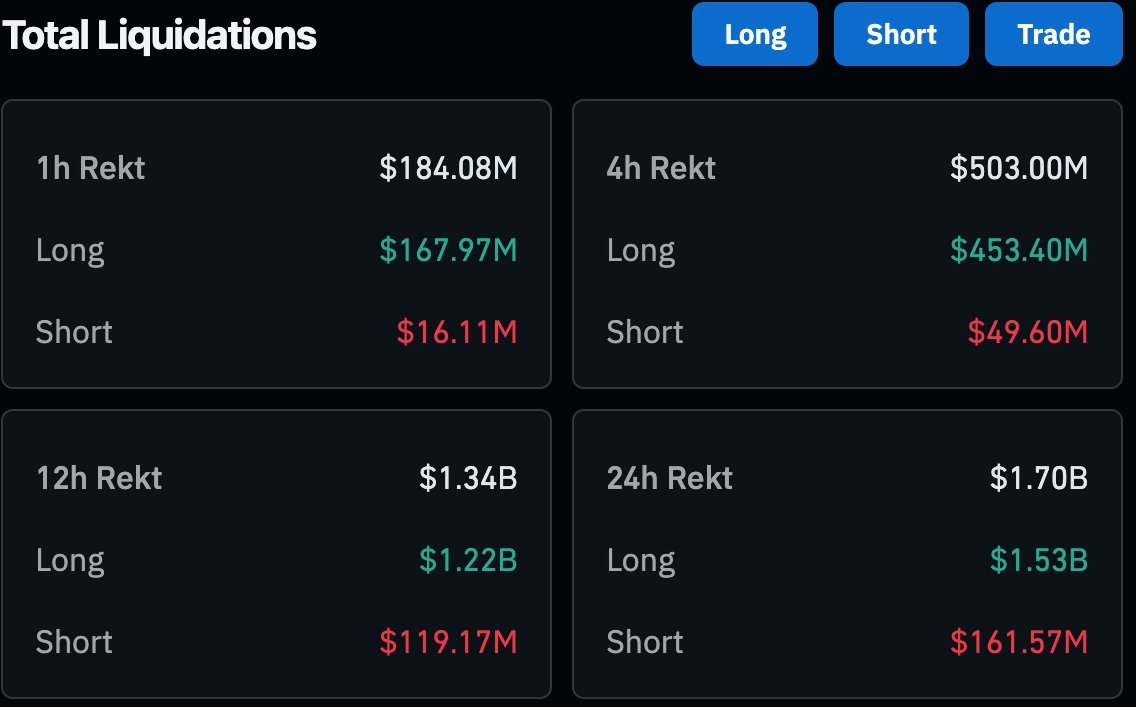
The downturn triggered the largest wave of leveraged liquidations since February. In the past 24 hours, crypto derivatives markets saw over $1.7 billion in total liquidations, with long positions bearing the brunt—Bitcoin-based longs alone accounted for more than $1.5 billion in forced closures.
Institutional Sell-Off and Macro Pressure
The sell-off was not a mere spot retracement. Bitcoin spot ETFs recorded a single-day net outflow of $483.8 million, and the month of May saw a staggering $2.3 billion in net outflows, the largest monthly exodus since 2026. The pace of institutional selling far exceeded what price drops alone could explain. Moreover, the crypto market exhibited a 84% correlation with the Dow Jones Industrial Average, indicating a shared macro-level selling pressure across risk assets.
When Ethereum breached the $1,900 psychological level, automatic stop-losses and derivative liquidations cascaded across major exchanges such as Bitstamp and Binance, accelerating the freefall.

Outliers: HYPE and ZEC
Amid the broad market meltdown, Hyperliquid (HYPE) stood out. HYPE hit an all-time high of $75.51 on June 2 and, despite a moderate pullback, still posted a gain of roughly 15% over the past week. With a market cap of about $15.9 billion and a 24-hour trading volume of $1.54 billion, it ranked 10th among all crypto assets—a stark contrast to the 7.5% loss suffered by the overall market.

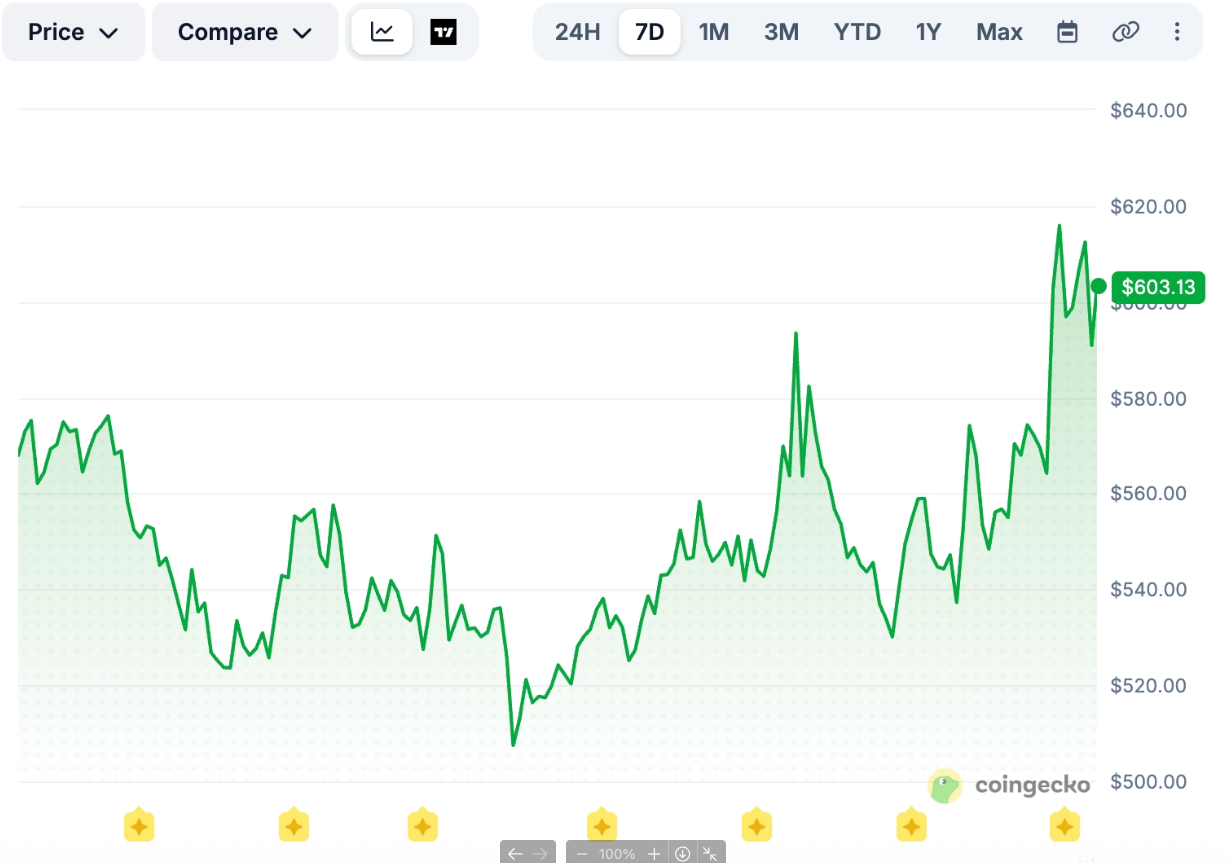
Zcash (ZEC) was the star performer of the turmoil. ZEC surged over 7% in 24 hours, peaking at $628 and briefly becoming the 11th-largest cryptocurrency with a market cap exceeding $11 billion. While the core catalyst—the SEC officially closing its investigation without taking action—had been announced weeks earlier, ZEC's true resilience stemmed from its fundamentals. The number of shielded addresses swelled from 1.47 million in 2024 to 5.11 million, reflecting sustained on-chain privacy demand. From a February low of $185, ZEC rallied more than 270% to reach $688 in May.

Technical analyst Ali Martinez noted that ZEC's 12-hour chart had flashed a TD Sequential buy signal. If the $500 support holds, the next target is $642. Additionally, the governance vote for the NU7 network upgrade is expected in June 2026, which could provide further support for the price trajectory.