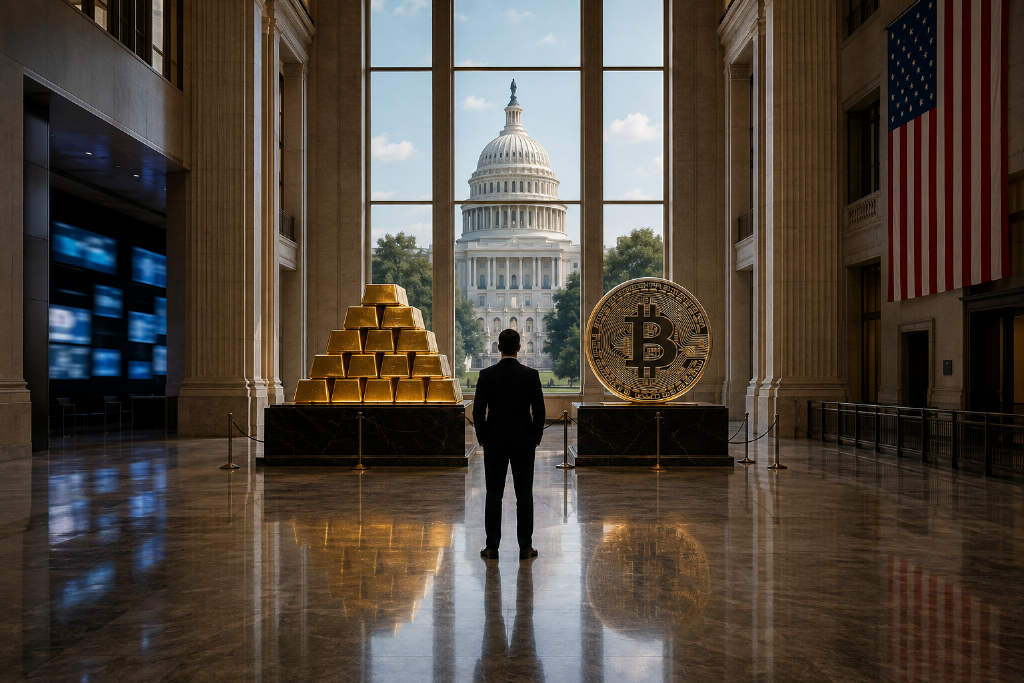
The Kobeissi Letter reports that Bitcoin's 90-day correlation with gold has risen to +0.50, nearly matching the pandemic-era peak of 2020, more than doubling since the start of the year. The acceleration follows the U.S. Treasury's August 19 announcement to double the size of its long-term Treasury buyback program from $2 billion to $4 billion per operation. Meanwhile, Bitcoin's correlation with the Nasdaq 100 has dropped to around 0.30, a one-year low, as investors increasingly view both assets as hedges against currency debasement.
According to The Kobeissi Letter, Bitcoin and gold are moving more and more in lockstep. Their 90-day correlation has climbed to +0.50, almost level with the all-time high hit during the 2020 pandemic, and that is more than double where it stood at the start of the year.
For comparison, in the rebound after the 2022 bear market, that 90-day correlation reached +0.30. The newsletter said this latest jump in correlation came after the U.S. Treasury announced on August 19 that it would at least double the size of its long-term Treasury buyback program, lifting the per-operation amount from $2 billion to $4 billion.
At the same time, Bitcoin's 90-day correlation with the Nasdaq 100 has slipped to about 0.30, a one-year low. The Kobeissi Letter said investors are increasingly using both gold and Bitcoin as hedges against currency debasement.
This article was originally published by Bit.Fan. For more cryptocurrency news and market insights, visit www.bit.fan. Disclaimer:
The market information, project data, and third-party content displayed on this platform are for industry information sharing only and do not constitute any form of investment advice or return commitment.
Cryptocurrency trading carries high risks. Users should fully assess their risk tolerance and make independent decisions. All profits, losses, and legal responsibilities are borne by the users themselves.