
The cryptocurrency market started June on a devastating note, with Bitcoin, Ethereum, and major altcoins tumbling in a broad-based sell-off. According to OKX data, Bitcoin slumped to $66,500, Ethereum broke below the $1,900 mark with a 24-hour decline of 8% to $1,855, and SOL dropped to $73. Panic quickly spread to mainstream coins, altcoins, and crypto-related equities such as Coinbase and MicroStrategy, painting the entire sector deep red.
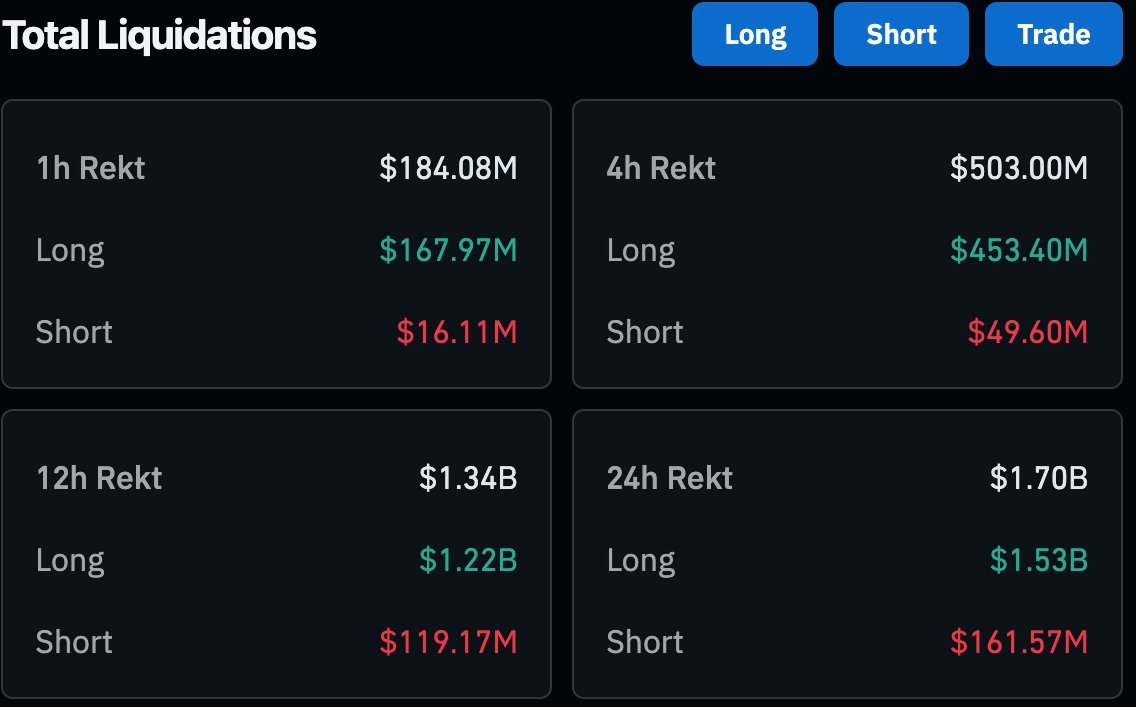
The crash triggered the largest wave of leveraged liquidations since February. Data from Coinglass shows that over $1.7 billion in crypto derivatives positions were wiped out in the past 24 hours, with long positions bearing the brunt—Bitcoin long liquidations alone exceeded $1.5 billion, accounting for nearly 90% of the total. The massive forced selling cascaded across major exchanges like Bitstamp and Binance, draining liquidity and fueling a vicious cycle of falling prices triggering more liquidations, which in turn pushed prices down further.
The spot Bitcoin ETF market also painted a grim picture. The ETFs saw a net outflow of $483.8 million on that single day. Zooming out to the monthly timeframe, these products collectively bled $2.3 billion in May—the largest monthly outflow since the start of 2026 and the most severe capital flight since November 2025. This stunning reversal hit after two consecutive months of net inflows: $1.32 billion in March and $1.97 billion in April. The abrupt exodus suggests institutional selling is accelerating far beyond what the price decline alone would imply, pointing to deep-seated macro anxieties.
From a macro perspective, relentless institutional selling was the core driver of the downturn. Crypto’s correlation with the Dow Jones Industrial Average surged to 84%, indicating that both markets were caught in a common wave of macro-driven selling pressure. When Ethereum breached the psychologically critical $1,900 level, a cascade of automatic stop-loss orders was triggered across multiple trading venues, creating a domino effect that amplified the decline and sent the market into a downward spiral.

Hyperliquid Hits New All-Time High
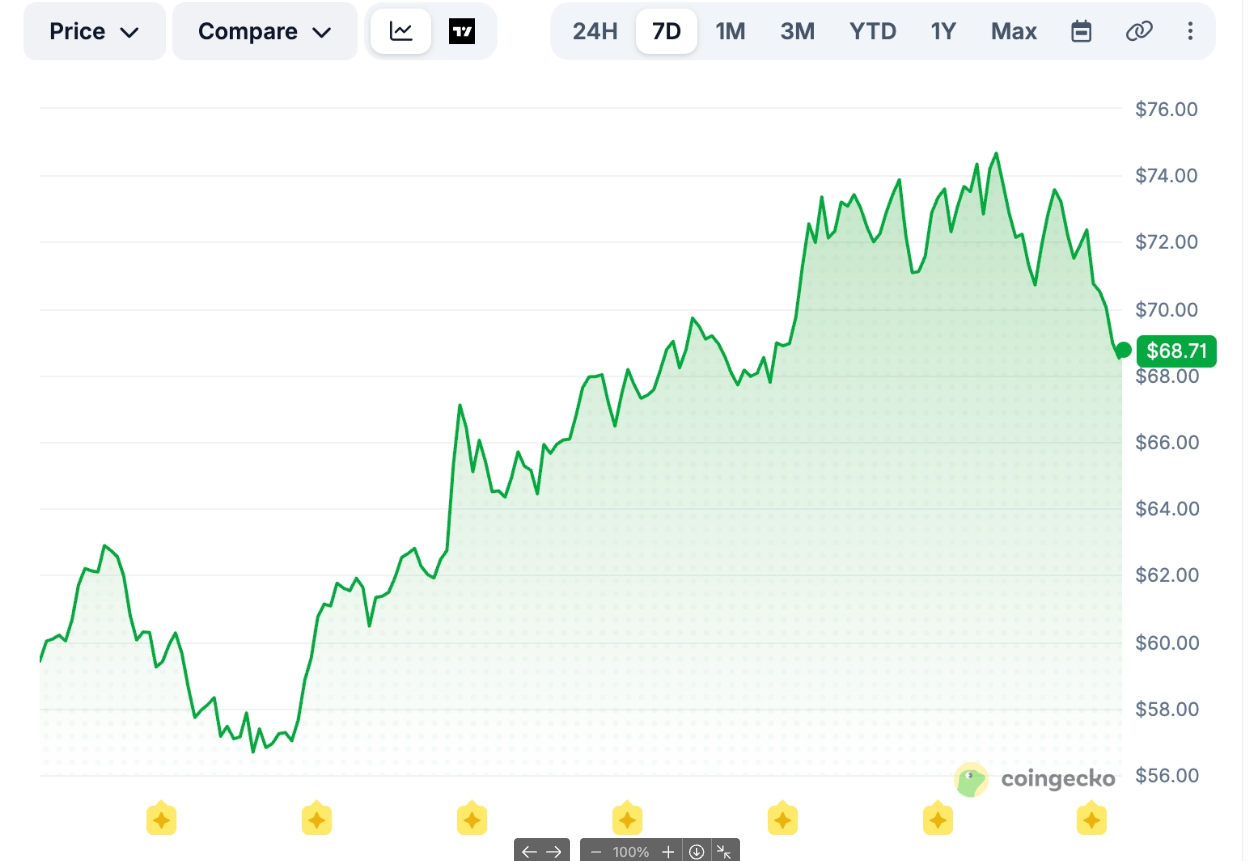
Amid the widespread rout, Hyperliquid (HYPE) charted a starkly different course. On June 2, HYPE reached a new all-time high of $75.51, though it later retreated to around $68, posting a 24-hour loss of roughly 8%. Despite this pullback, the token retained an impressive 15% gain over the past week. With a market capitalization of approximately $15.9 billion and a 24-hour trading volume of $1.54 billion, HYPE now ranks 10th among all crypto assets globally. Against an overall market decline of 7.5% over the same period, HYPE’s relative strength stands out as a beacon of independent resilience.

Zcash Shines: Regulatory Relief and On-Chain Demand Converge
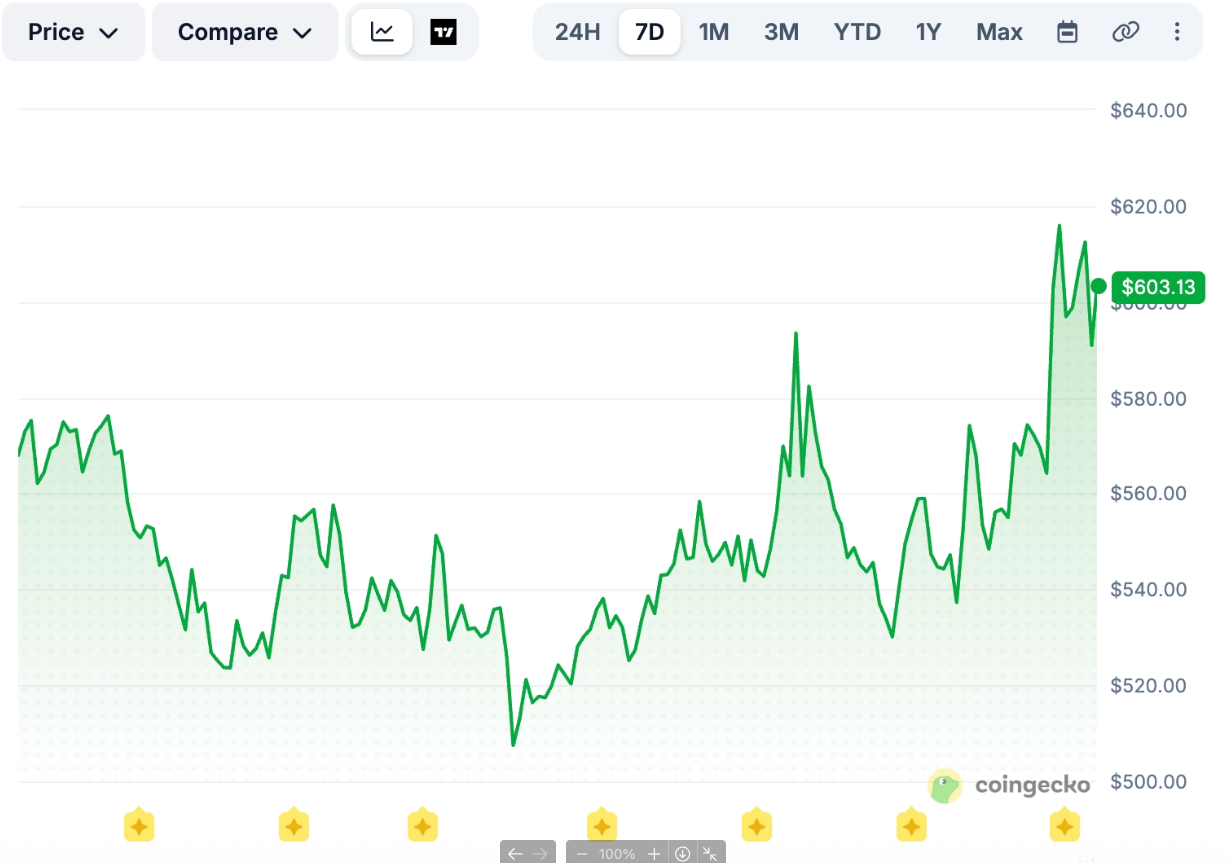
Zcash (ZEC) emerged as the most brilliant contrarian star in this market turmoil. ZEC surged over 7% in 24 hours, peaking at $628 and briefly pushing its market cap above $11 billion to sit at the 11th spot among all crypto assets. The immediate spark was the ZEC Foundation’s Q1 report, which confirmed that the U.S. Securities and Exchange Commission (SEC) had closed its investigation and would take no enforcement action. Though the news had been public for weeks, the market only recently fully absorbed its significance: as a privacy coin long mired in regulatory uncertainty, ZEC’s clearance from SEC scrutiny was viewed as a landmark compliance win, unleashing pent-up buying pressure.

Looking at the longer time frame, ZEC’s strength is underpinned by solid fundamentals. The coin bottomed at $185 in February and then embarked on a powerful rally, reaching $688 in May—a gain of over 270% in eight months. On-chain metrics reinforce the narrative: the number of shielded addresses has ballooned from 1.47 million in 2024 to 5.11 million currently, signaling growing real-world demand for privacy transactions. From a technical standpoint, analyst Ali Martinez noted a TD Sequential buy signal on the 12-hour chart; if the $500 support level holds, the next target lies at $642. Additionally, the governance vote for Zcash’s upcoming NU7 network upgrade is expected to launch in June 2026, with the forward-looking technical roadmap likely providing further structural support for the price.