Project Eleven says it has funded a proof designed for a scenario in which quantum computers can forge Bitcoin signatures. Under that approach, a wallet’s own key-derivation path can be used as a stand-in for ownership, offering a recovery method if standard signatures are no longer reliable. The group said the proof runs in 243 milliseconds on a laptop, pointing to a lightweight implementation rather than a specialized hardware setup.
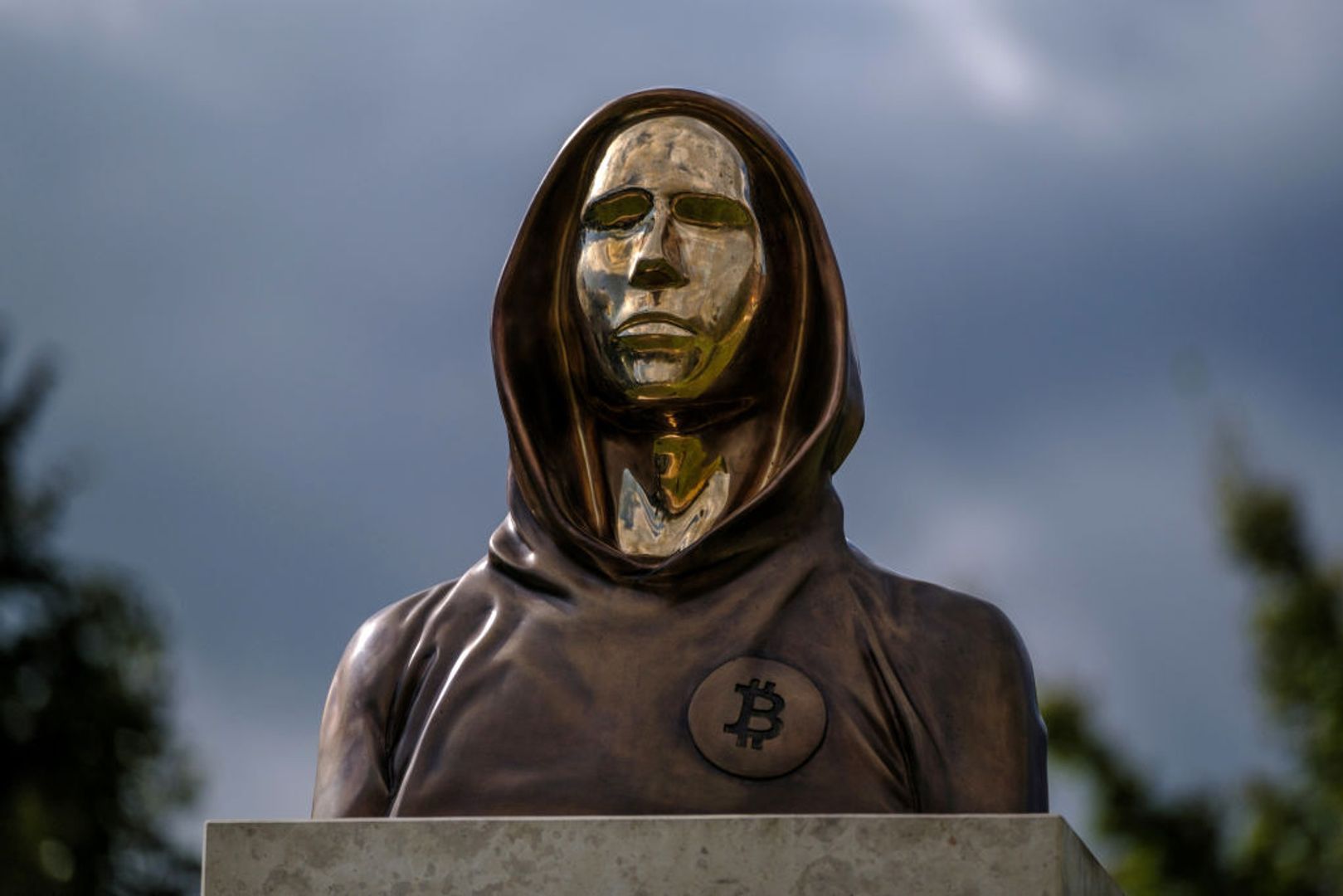
The limitation is clear: the tool does not apply to Satoshi Nakamoto’s 1.1 million coins. That leaves one of the largest and most closely watched dormant Bitcoin holdings outside the scope of this recovery approach. The report was published by CoinDesk on July 19, 2026, in a piece written by Shaurya Malwa and edited by Aoyon Ashraf.
Project Eleven said it has funded a proof aimed at Bitcoin’s quantum-computing problem. In a world where quantum computers can forge Bitcoin signatures, the method lets a wallet’s own key-derivation path serve as proof of ownership in place of the signature itself.
According to the project, the proof runs in 243 milliseconds on a laptop.
Not a solution for Satoshi’s holdings
The recovery tool does not apply to Satoshi Nakamoto’s 1.1 million coins.
CoinDesk published the report on July 19, 2026. The article was written by Shaurya Malwa and edited by Aoyon Ashraf.
This article was originally published by Bit.Fan. For more cryptocurrency news and market insights, visit www.bit.fan. Disclaimer:
The market information, project data, and third-party content displayed on this platform are for industry information sharing only and do not constitute any form of investment advice or return commitment.
Cryptocurrency trading carries high risks. Users should fully assess their risk tolerance and make independent decisions. All profits, losses, and legal responsibilities are borne by the users themselves.