
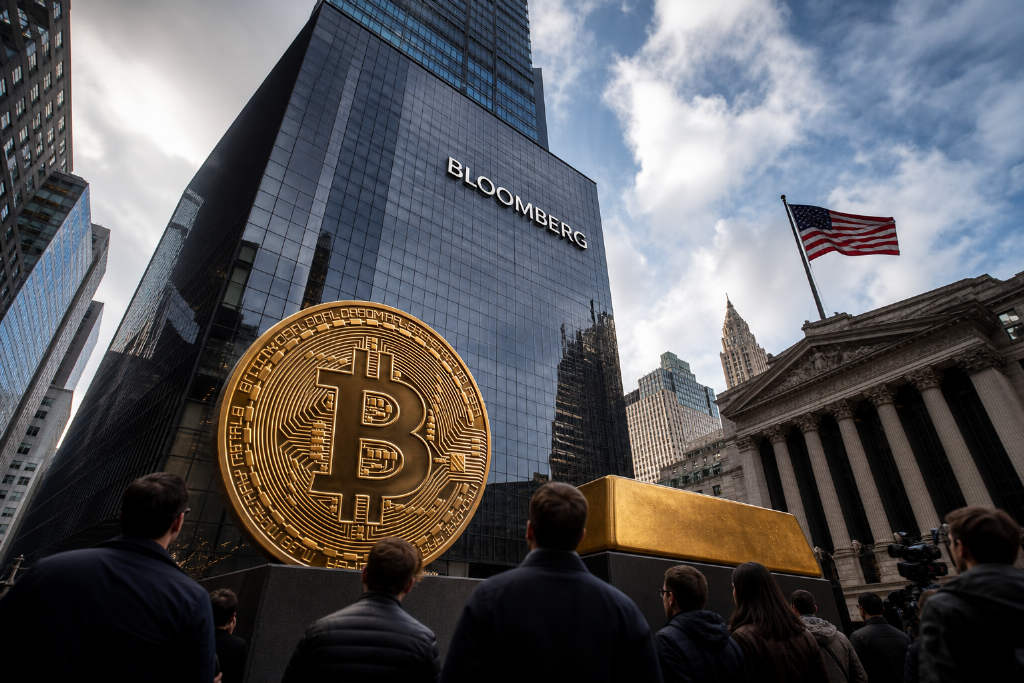
Bitcoin climbed 23% in a recent one-week stretch, its biggest weekly gain in more than three years, and broke out of the sideways trading pattern that had held since summer, Bloomberg reporter Emily Nicolle wrote.
According to Nicolle, the move followed a proposal by US Treasury Secretary Bessent to expand buybacks of long-dated Treasuries. That stirred concerns about US debt and possible dollar debasement, sending some money into alternative assets such as Bitcoin. Even so, Bitcoin turned steady again after moving above $80,000, and Nicolle said that catalyst alone is not enough to pull the market back into a genuine bull run.
Hedge narrative remains unproven
Nicolle said Bitcoin’s narrative as a hedge against the dollar and inflation still lacks consistency. She pointed to an episode last October, when Donald Trump renewed tariff threats against China. In the following 24 hours, Bitcoin fell more than 12%, while gold hit a record high during the same period.
She also wrote that gold has gained more than 7% since 2026, while Bitcoin remains down nearly 10% even after the latest rebound. In her view, the fact that gold and Bitcoin both rose last week does not show that the two assets share the same haven status. A large part of the crypto rally, she said, was driven by short sellers being forced to cover positions.
Holdings, legislation and payments use remain in focus
Nicolle also noted that Strategy Chairman Michael Saylor urged traders to keep buying Bitcoin during the rally, but his company did not add to its holdings at the same time.
On the policy side, the CLARITY crypto market structure bill remains stalled because of disagreements including ethics provisions. The Senate is expected to revisit the measure in mid-September, leaving limited time before the November midterm elections.
Nicolle wrote that Bitcoin still lacks a stable and convincing value narrative. In everyday payments, users continue to prefer stablecoins or cash.