
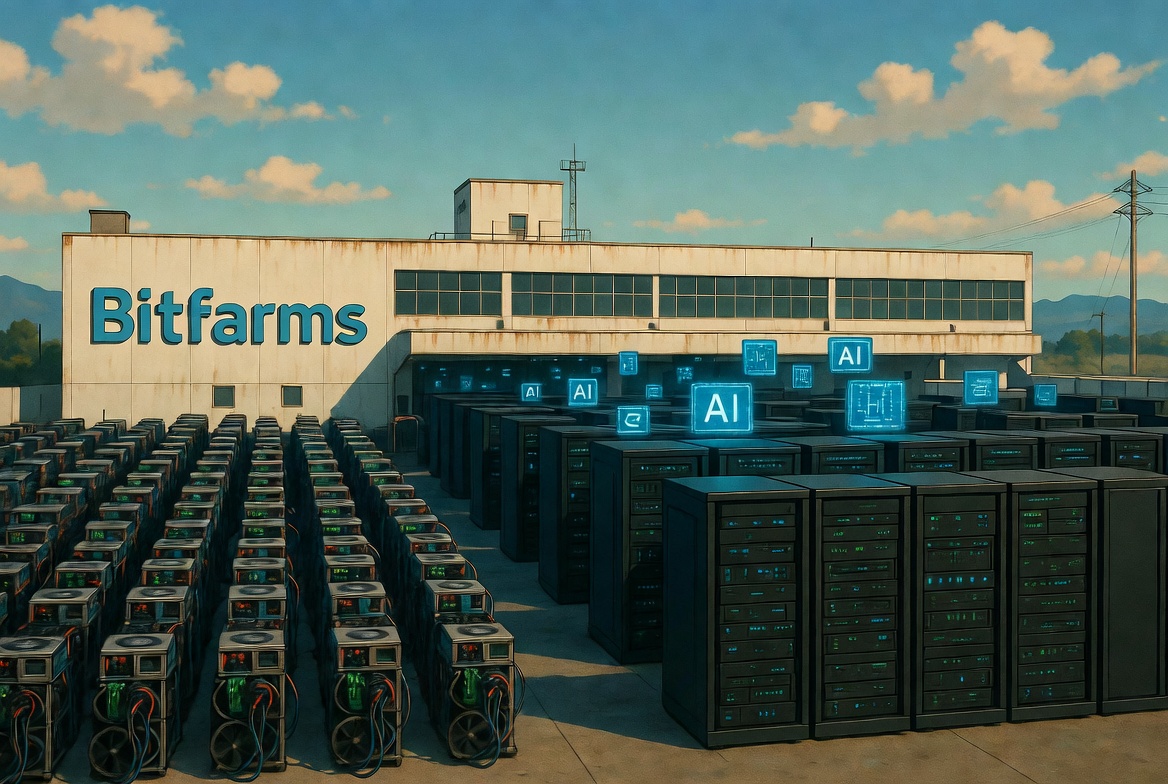
Bitfarms said it will rebrand as Keel Infrastructure on April 1, marking a sharp shift away from its identity as a pure Bitcoin miner. The company will begin trading under the ticker KEEL on both Nasdaq and the Toronto Stock Exchange, while redirecting its business toward AI and high-performance computing infrastructure. To help fund that expansion, it plans to opportunistically sell roughly 2,400 BTC, valued at about $161 million.
A new focus on power-backed infrastructure
The company said shareholders approved the proposal to relocate to the United States and adopt the new name. CEO Ben Gagnon described the transition as a move from Bitcoin mining to power-centric digital infrastructure development, with a focus on constrained power markets in Pennsylvania, Washington, and Quebec. The message is direct: the company is no longer defining itself only through mining.
Keel said it has a power development pipeline totaling 2.2 GW, including 341 MW of energized capacity and 430 MW of contracted power. Gagnon added that multiple investment-grade counterparties have shown strong interest in using its power-secured sites for AI computing workloads.
Bitcoin holdings set to become expansion capital
As of March 27, Bitfarms held around 2,400 BTC. The company said it will use an “opportunistic sales” strategy and redeploy every dollar captured into HPC and AI infrastructure. That marks a clear change in treasury policy. Over the last quarter, its Bitcoin balance had actually risen from 1,827 BTC in November to the current level.
Bitfarms also said it prepaid $100 million of debt in February, giving it more flexibility for project financing. For a miner trying to reposition itself around AI infrastructure, liquidity and financing room now appear to carry more weight than maintaining a larger BTC reserve.
Revenue climbed, losses widened
On the financial side, Bitfarms reported $229 million in full-year 2025 revenue, up 72% from a year earlier. Even so, operating loss expanded from $28 million to $150 million, driven by heavy infrastructure spending and impairment linked to Bitcoin price swings.
Adjusted EBITDA slipped to $29 million, while margin narrowed from 23% to 13%. The figures show the trade-off in plain view: mining still delivered revenue growth before the transition, but the move into AI and HPC is already bringing much heavier capital demands.