
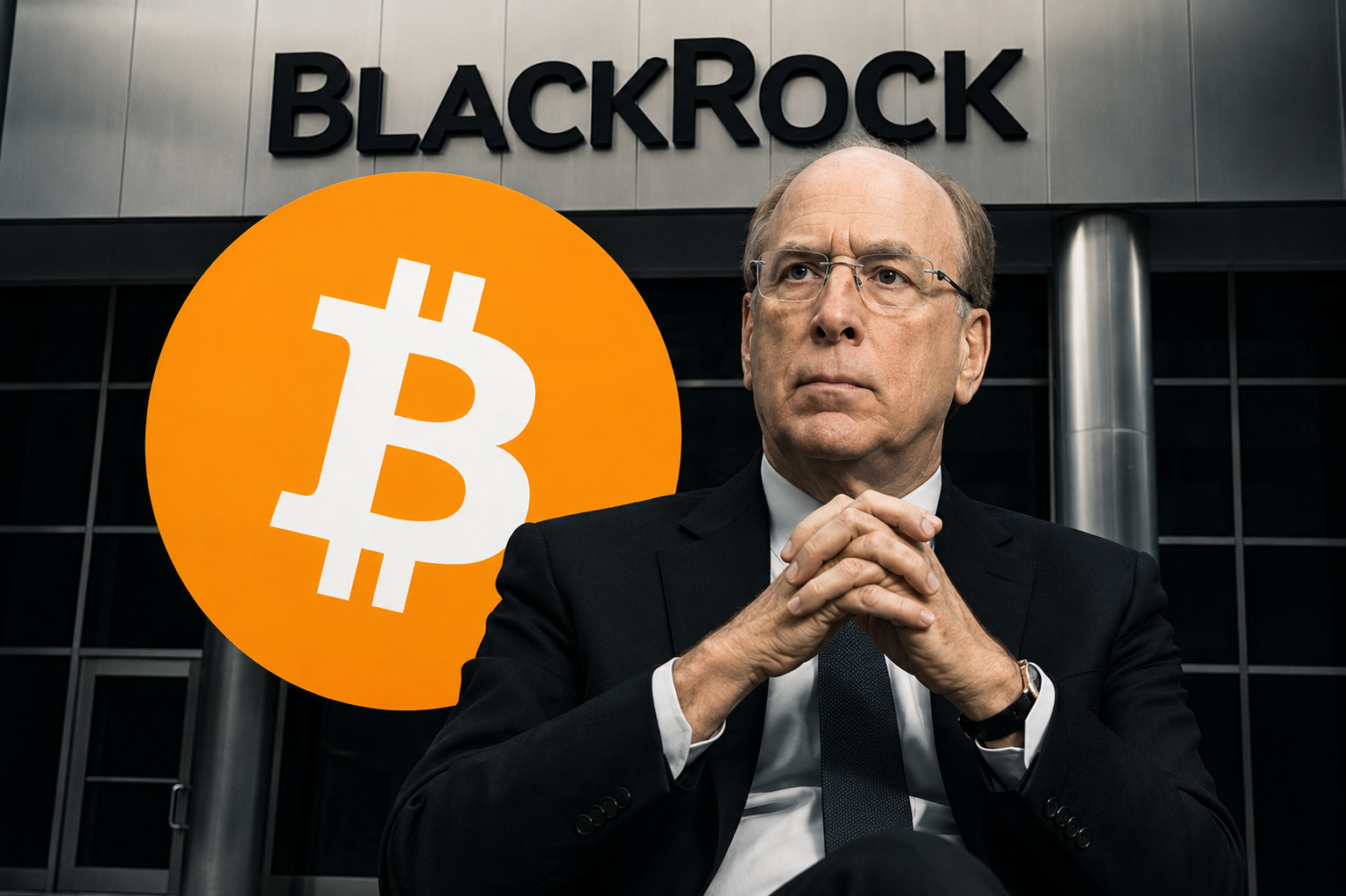
According to a TechFlowPost selected article, BlackRock launched the iShares Bitcoin Premium Income ETF on Nasdaq in mid-June under the ticker BITA. The piece was written by ByBoaz Sobrado and translated by Luffy for Foresight News. Crypto commentator MartiniGuyYT posted that veteran ETF analyst Eric Balchunas had revealed the coming launch of BlackRock’s Bitcoin income ETF, citing a target of generating a 15% to 25% annual yield while seeking to capture at least 70% of Bitcoin’s upside. Because Bitcoin itself does not create native yield, BITA’s promise of cash distributions has divided the crypto industry between those who view it as a new access point for capital and those who see a problematic product structure.
BITA’s income does not come from the Bitcoin network. The fund is built around BlackRock’s spot Bitcoin fund IBIT and uses a covered-call strategy, selling call options to collect option premiums. That mechanism can generate a stream of income for investors, but it also requires giving up a portion of the gains that would otherwise be available during a strong one-way rally in Bitcoin. Robert Mitchnick, BlackRock’s global head of digital assets, told CoinDesk that this type of Bitcoin income fund represents the next natural step in the industry’s evolution. He said it is designed for investors and institutions seeking stable cash flow and addresses the difficulty some institutions face in holding a zero-yield asset. Mitchnick also explained that the product is better suited to flat or falling Bitcoin markets; if Bitcoin rises sharply in a straight line, the fund’s performance will lag spot exposure.
Supporters argue that the ETF can turn demand for high-yield financial products into additional demand for Bitcoin. Trading blogger TimWarrenTrades said BlackRock is directly benchmarking Strategy and that this ETF effectively converts high-yield wealth-management capital into incremental Bitcoin demand. He also noted that previous BlackRock Bitcoin-related ETF launches were followed by rising markets. IBIT flow data has been used to support this line of reasoning. According to @thepfund, IBIT recorded a one-day net inflow of 906 Bitcoin this week, worth $57.67 million. CoinEdition also said Fidelity accumulated 37,700 Bitcoin during the same period, indicating continued institutional allocation activity.
Longtime Bitcoin investor Michael Terpin discussed the timing of the launch on the podcast On The Margin, placing it within the four-year halving pattern he said he has watched for ten years. “The four-year cycle has never failed, but in every bear market, the vast majority of analysts declare that the cycle logic has failed,” he said. In his view, broad pessimism is a bottoming signal: “People who have lived through full bull and bear cycles know that now is the time to position, and the cycle has its underlying logic.” Terpin also argued that Bitcoin’s buyer base has not yet fully formed. Around 4% of the global population holds Bitcoin, while only 8% holds any type of crypto asset. He said the industry is at a key point in crossing the chasm, with early adopters sitting right at the 4% threshold.
Institutional price targets cited in the article also support the bullish camp’s narrative. JPMorgan forecast a Bitcoin cycle high of $170,000, VanEck set a target of $180,000, and Standard Chartered identified the area around $59,000 as the bottom of the current cycle, saying the crypto winter has ended. Taken together, these views frame BITA as part of a broader institutionalization of Bitcoin exposure: spot ETFs, income ETFs, and large asset managers are all being used by supporters as evidence that demand channels are widening.
Critics inside the industry have issued sharp warnings. Paolo Ardoino, chief technology officer of Bitfinex and Tether, said heavy inflows into ETFs are not necessarily good for the long-term development of the crypto ecosystem. “I don’t think ETFs are necessarily a good thing for the crypto ecosystem,” he said in an interview, asking what the industry would become if 99.99% of all Bitcoin were concentrated in different ETFs. The irony is that custody is one of the revenue sources for the company he works with. “Every day, a large number of users treat us like a bank, but I would rather users self-custody their private keys and truly hold Bitcoin,” Ardoino said. He acknowledged that custody can be highly profitable, but said it does not align with crypto-native principles.
Other traders focus on the fund’s structure. Their argument is that BITA does not create new Bitcoin cash flow; instead, it may redirect capital that would otherwise have gone directly into spot Bitcoin. A widely viewed video from the information channel Glimpse Market stated the core issue bluntly: Bitcoin does not generate cash flow out of thin air, and the product’s yield is artificially manufactured through options. Investors receive option premiums, but their upside is capped while downside risk remains fully open. For that reason, the video described the product as a trap. Views on the market bottom are also sharply divided. Galaxy Research forecast that the current cycle bottom could fall to the $40,000 to $46,000 range, a position that contrasts with Standard Chartered’s view that the bear market has ended near $59,000.
Terpin also separated ETF capital from corporate treasury capital. He said ETF money is not long-term locked-in capital and is fundamentally different from companies such as MicroStrategy, which borrow to accumulate Bitcoin and then hold it without selling. At the same time, he emphasized Bitcoin’s supply scarcity. A few weeks earlier, the network mined its 20 millionth Bitcoin, leaving only 1 million Bitcoin to be mined, although mining the remaining supply will take more than a century. Based on the adoption S-curve and supply shortage, Terpin gave a long-term price target far above those cited from major institutions, saying Bitcoin could reach $1 million.
BITA’s management fee is 0.65%, lower than comparable covered-call income funds on the market, according to the article. A YouTube industry analyst who reviewed the filing documents said BlackRock is moving quickly to capture the market before Goldman Sachs launches a similar competing product in July. The eventual fund-flow data will test the competing claims. If BITA and IBIT continue absorbing Bitcoin and Bitcoin holds the $65,000 range, that would show sustained real institutional buying. If the income ETF merely diverts existing capital from spot funds, the bearish “yield trap” view will be validated. Twitter user @frugalbc summarized the contrast by saying that Bitcoin in the $60,000 range is very different from the last cycle: $67,000 in 2021 was the all-time top, while the same price zone now is closer to the current cycle’s bottom, a point the bears keep ignoring.