
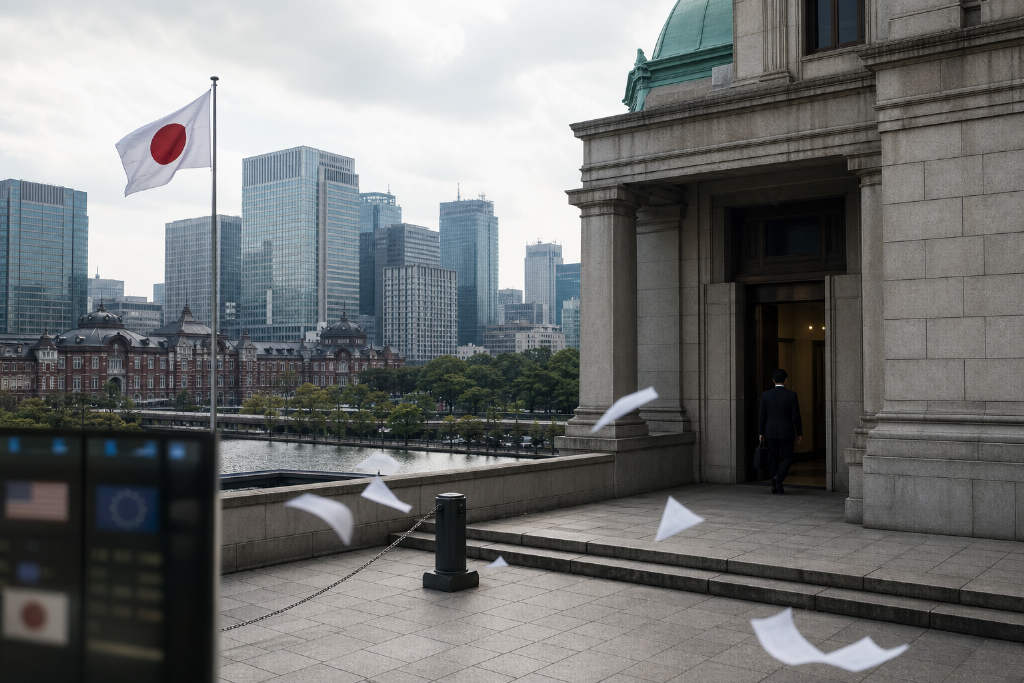
The Bank of Japan could raise interest rates as early as its Sept. 17-18 policy meeting, and it is also considering speeding up the pace of tightening after that, Reuters reported on Aug. 14, citing three people familiar with internal discussions at the central bank.
Markets have already priced the probability of a September rate hike at nearly 80%, making that meeting the key near-term event.
Sources say an earlier move is now on the table
According to the report, the BOJ is facing its most urgent pressure to raise rates since it exited its ultra-loose policy stance in 2024.
One source told Reuters that an earlier rate increase had come into view. Another said the BOJ could also accelerate the pace of hikes.
Since ending a decade of ultra-loose stimulus in 2024, the BOJ has moved at a pace of about two rate increases a year. In June, it lifted rates to 1%, the highest level in 31 years.
If the BOJ does raise rates in September, Reuters said some analysts see room for another move in December. That would bring the total number of hikes this year to three and reinforce expectations for a quarterly pace.
Yen weakness and inflation pressure are driving the debate
The report said last month’s joint intervention in the yen by Japan and the United States, along with pressure from U.S. Treasury Secretary Bessent, has sharpened market focus on how the BOJ will respond to continued yen weakness. Higher rates can also support the currency because rising yields tend to attract capital back and lend support to exchange rates.
On inflation, the pressure is coming from several directions at once.
- Yen depreciation: The yen fell to a 40-year low last month. Even after the rare joint intervention by Japan and the U.S., the weakening trend did not reverse. A softer yen raises import costs directly and feeds through to consumer prices more broadly.
- High wholesale prices: Japan’s annual wholesale inflation in July stayed at a three-year high, suggesting cost pressure at the corporate level has not fully passed through to consumers. If companies begin to shift those costs, consumer prices could rise further.
- Rising inflation expectations: Surveys show inflation expectations among households, businesses and economists are now near or above 2%. Reuters said this is one of the signals the central bank is watching closely.
- External shocks: Ongoing conflict in the Middle East continues to affect energy and commodity prices, while strong global demand tied to AI is lifting demand for related equipment and energy. Both add to imported inflation pressure.
Inside the BOJ, the question is whether it should move sooner
The BOJ left rates unchanged in July, but the report said it also delivered its strongest signal yet that an earlier hike remains possible, warning that inflation pressure continues to build and could push core inflation above its 2% target.
A summary of opinions from the July meeting showed some board members explicitly called for a faster pace of rate increases to avoid falling behind the curve. In central bank language, that means a slow response now could force much sharper tightening later.
BOJ Governor Kazuo Ueda said at his post-meeting press conference in July that he would take the board’s growing concern over inflation risks fully into account when chairing future meetings. He also said the BOJ could accelerate rate hikes if financial conditions are judged to be too loose.
A third source put it more plainly, saying the BOJ may not want to wait too long on raising rates given rising inflation risks.