
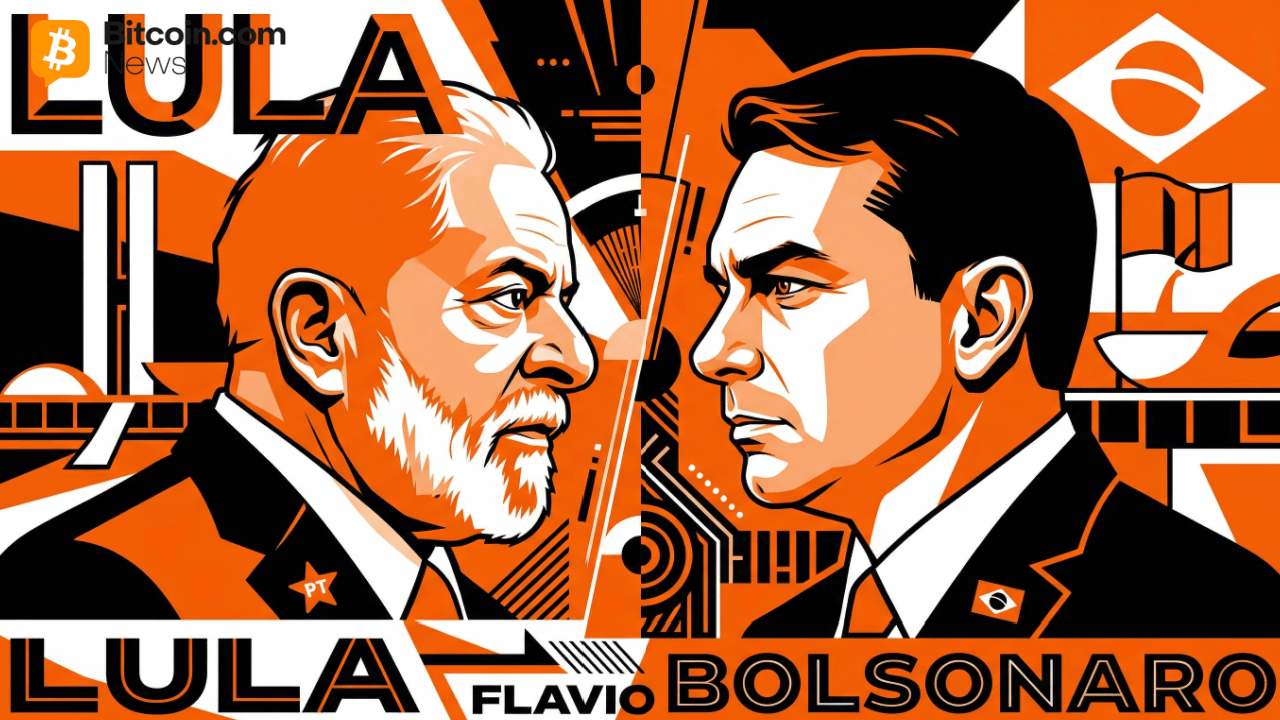
Brazil’s instant payment network Pix has moved from financial infrastructure into the center of presidential politics. A recent report from the Office of the United States Trade Representative questioned the network’s growing reach and its effect on private payment alternatives, turning Pix into a campaign issue ahead of Brazil’s election.
The source says prediction markets currently show President Luiz Inácio Lula da Silva with a narrow lead. In that setting, public positions on Pix are now part of the political contest. Lula defended the system openly and said Brazil would not change it because of outside pressure, even if U.S. authorities were to sanction it in the future.
U.S. trade concerns put Pix under scrutiny
Pix has more than 175 million users, according to the report cited in the article, making it one of the largest instant payment networks in the world. The USTR said U.S. industry representatives have raised concerns that Brazil’s central bank favors Pix, leaving American electronic payment providers at a disadvantage. The report also says financial institutions with more than 500,000 accounts are required to adopt Pix.
The article adds that major credit card companies such as Visa and Mastercard would be pushing for measures that could place them on more equal footing with Pix. What began as a dispute over payment rails is now tied to trade policy and national politics.
Lula frames Pix as a Brazilian public asset
Lula’s response was blunt. He said Pix belongs to Brazil and that no one would force the country to change it because of the service it provides to Brazilian society. The article also says Lula argued that possible U.S. sanctions could distort international trade, since Pix may weaken the dollar.
That position gives Pix a role beyond payments. It is being discussed as a matter of sovereignty and control over public financial infrastructure, not only as a tool for low-cost transfers.
Flavio Bolsonaro rejects claims he wants Pix dismantled
Posts on social media accused Senator and presidential candidate Flavio Bolsonaro of trying to end Pix, casting him as a natural ally of President Trump and the U.S. government. He rejected that claim quickly, saying Pix was already a Brazilian asset and describing it as an important legacy created by former President Jair Messias Bolsonaro.
At the same time, Bolsonaro accused Lula of wanting to tax Pix transactions. He said Pix would remain free and untaxed under Bolsonaro, while the Workers’ Party and Lula wanted to impose taxes on it. The source does not provide extra documentary support or policy details beyond that exchange of accusations.
Paul Krugman praises Pix as the “future of money”
Nobel laureate Paul Krugman also entered the debate from the outside. He called Pix the “future of money” and argued that entrenched financial players hold too much power and would not allow a public system to compete with their own products.
Based on the source material, Pix is no longer being discussed only as a payment network. U.S. criticism, campaign messaging from rival political camps, and praise from an internationally known economist have all pushed the system into a wider public fight.