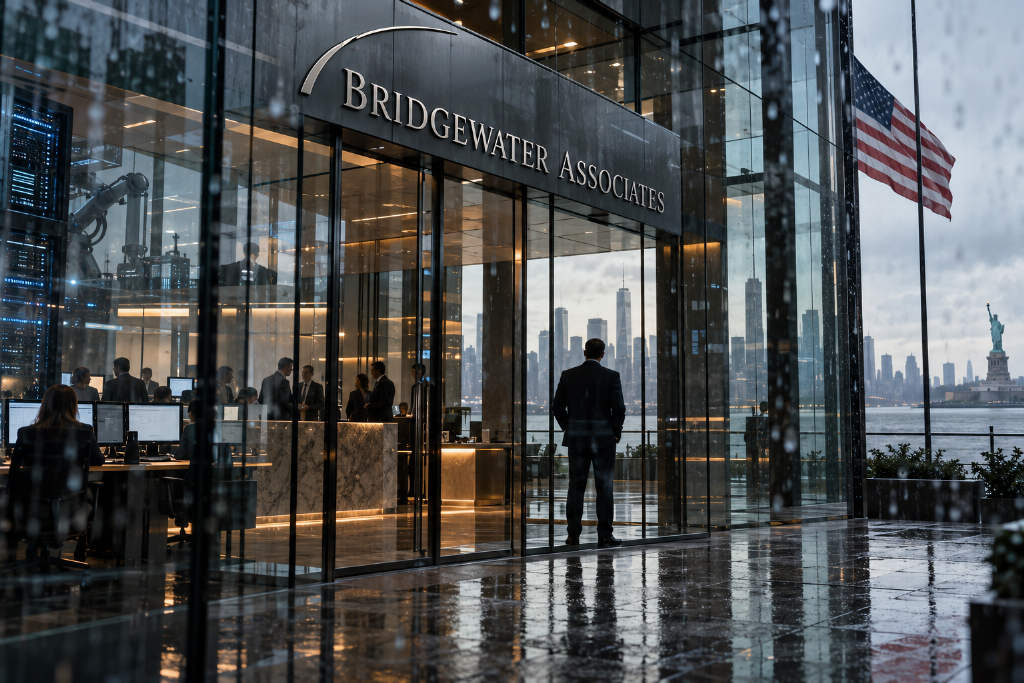
Bridgewater Associates CEO Nir Bar Dea said artificial intelligence could disrupt nearly one-fifth of the U.S. labor market if regulation does not keep pace and society is not prepared for the scale of technological change. Speaking in an interview, he said the hedge fund remains optimistic about AI’s benefits but sees clear downside risks as well. Bar Dea said Bridgewater estimates that AI could affect 18% of the American workforce. He added that a shift on that scale could trigger broad social disorder if the transition is poorly managed. The remarks frame AI not only as an economic and productivity story, but also as a policy and social stability issue tied to regulation and preparedness.
On Sept. 30, BlockBeats reported that Bridgewater Associates, one of the world’s largest hedge funds, expects artificial intelligence to hit nearly one-fifth of the U.S. labor market if AI develops without regulation and society is not ready for the technological shift.
Bridgewater CEO Nir Bar Dea said in an interview, “We are very positive about the benefits that AI can bring, but we also recognize that anything positive that can change the world so profoundly can also bring serious negative consequences.”
He added, “According to our estimates, AI could affect 18% of the U.S. workforce. Just imagine the scale of social disorder this could cause.”
This article was originally published by Bit.Fan. For more cryptocurrency news and market insights, visit www.bit.fan. Disclaimer:
The market information, project data, and third-party content displayed on this platform are for industry information sharing only and do not constitute any form of investment advice or return commitment.
Cryptocurrency trading carries high risks. Users should fully assess their risk tolerance and make independent decisions. All profits, losses, and legal responsibilities are borne by the users themselves.