

The crypto market entered June on a grim note. According to OKX data, Bitcoin (BTC) dropped to $66,500, while Ethereum (ETH) breached the $1,900 mark with a 24-hour decline of 8%, trading at $1,855. SOL traded at $73. The sell-off rippled through major coins, altcoins, and crypto-linked equities, painting a broad picture of market distress.
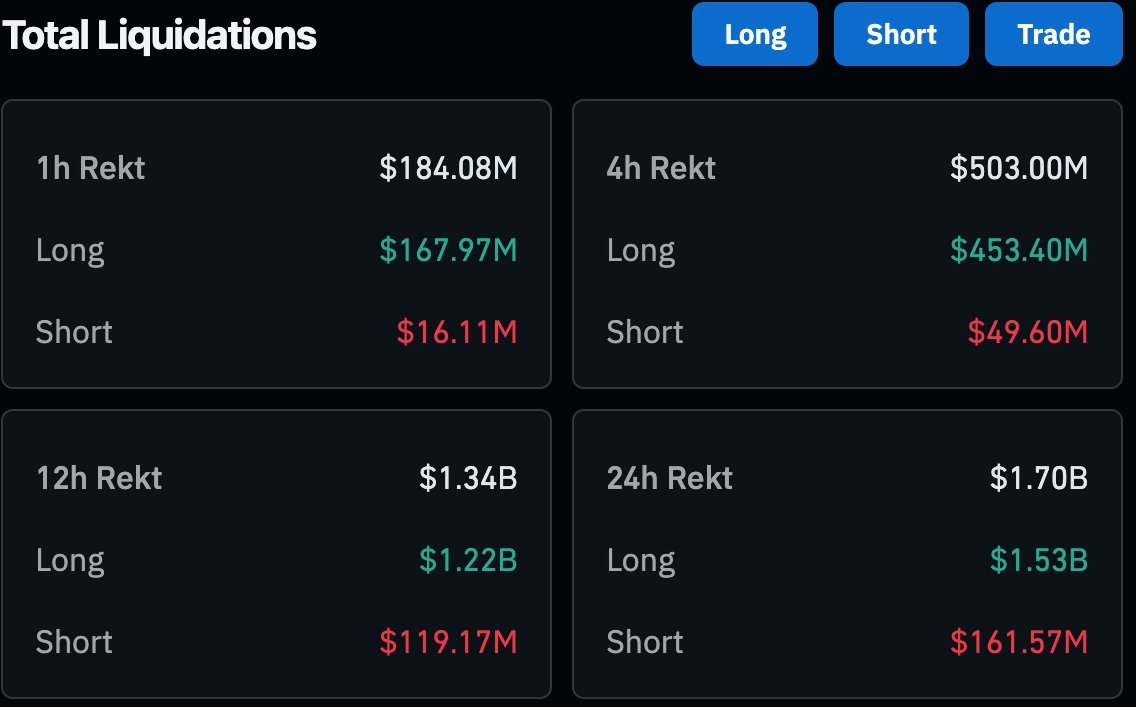
This wave of selling triggered the largest leverage flush since February this year. Over the past 24 hours, total liquidations in crypto derivatives surpassed $1.7 billion, with long positions bearing the brunt. Bitcoin-related long liquidations alone exceeded $1.5 billion.
The decline was far from a simple spot market correction. Bitcoin spot ETFs registered a single-day net outflow of $483.8 million. On a macro level, persistent institutional selling stood as the primary driver, with the overall crypto market exhibiting a striking 84% correlation with the Dow Jones Industrial Average — signaling that both asset classes are facing shared macro-level selling pressure.
Once Ethereum broke below the $1,900 psychological threshold, cascading stop-loss orders and derivatives liquidations triggered a chain reaction across major exchanges including Bitstamp and Binance, accelerating the downward momentum. Bitcoin spot ETFs recorded a net outflow of $2.3 billion in May alone, marking the largest monthly outflow since 2026 and the most severe since November 2025. This stands in stark contrast to March and April, which saw net inflows of $1.32 billion and $1.97 billion respectively. The pace of institutional offloading has far outstripped what price declines alone can explain.

Hyperliquid Retreats After ATH but Shows Relative Strength
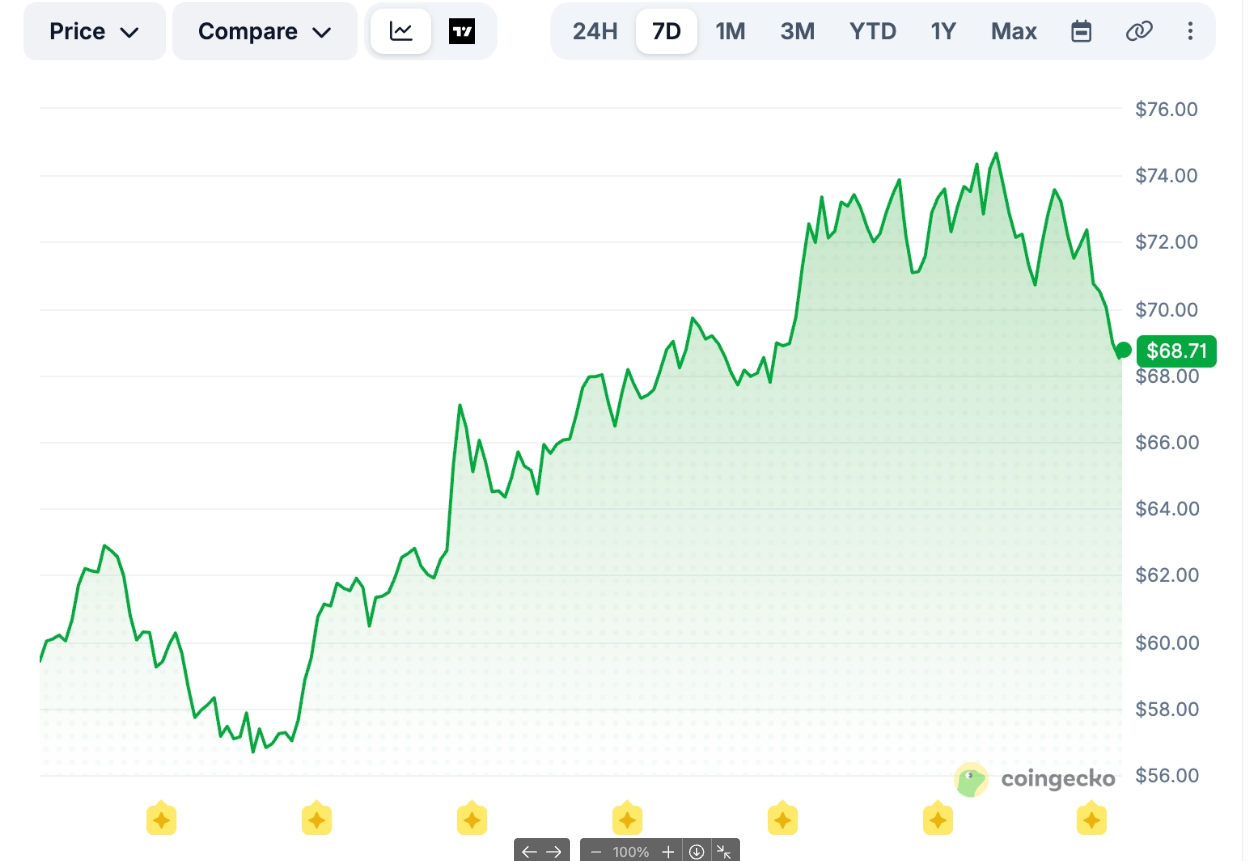
Amid the broad market carnage, Hyperliquid (HYPE) stood out as a relative outlier. HYPE hit an all-time high of $75.51 on June 2 before retreating to approximately $68 at press time, a roughly 8% decline over 24 hours. However, it still managed a weekly gain of around 15%. With a market cap near $15.9 billion and a 24-hour trading volume of $1.54 billion, HYPE currently ranks 10th among all crypto assets globally. Its seven-day gain of 15% against a 7.5% decline in the broader crypto market underscores a notable display of relative resilience.

Zcash Defies Gravity on Regulatory Clarity and Growing On-Chain Demand
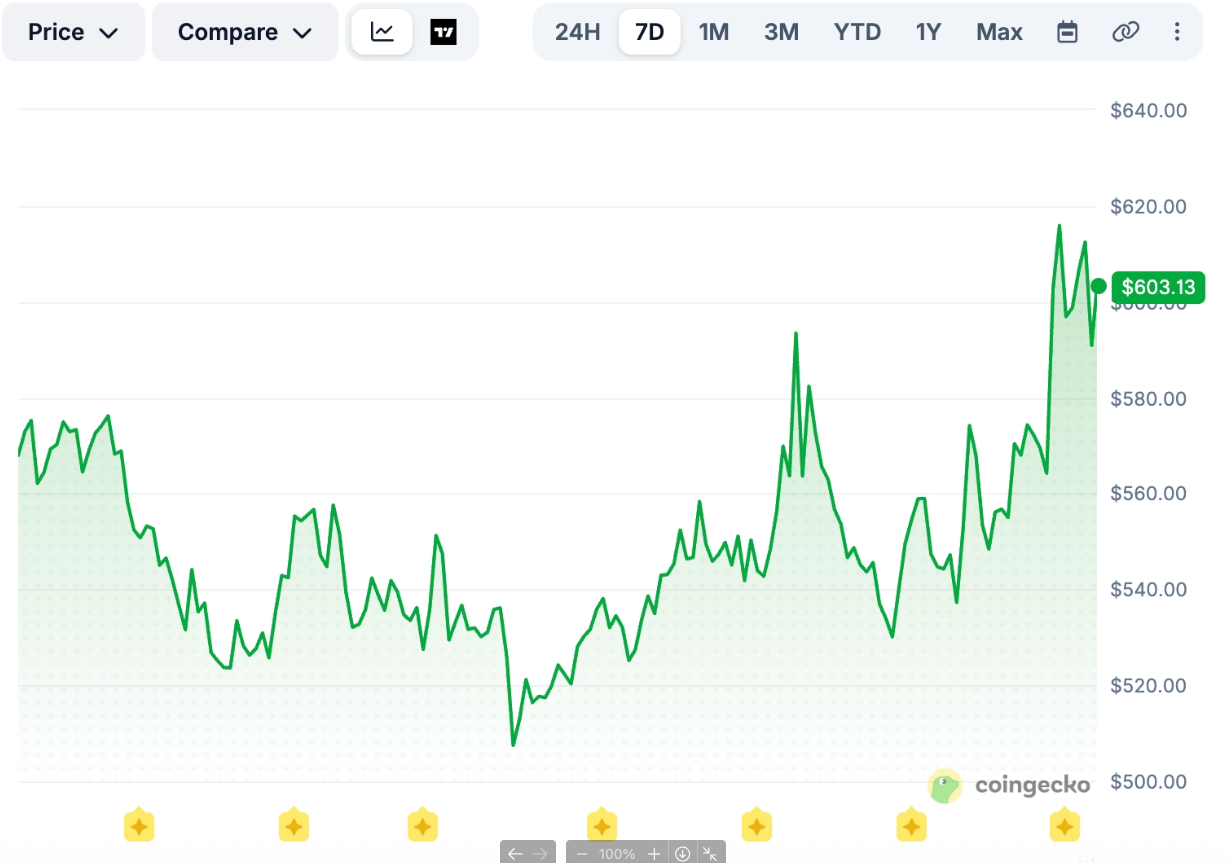
Zcash (ZEC) emerged as the most dazzling contrarian in this market turmoil. ZEC surged over 7% in the past 24 hours, reaching an intraday high of $628. Its market cap briefly climbed to the 11th spot among all cryptocurrencies, surpassing $11 billion.

The immediate catalyst for this surge was confirmation in ZEC Foundation's Q1 report that the U.S. Securities and Exchange Commission (SEC) had closed its investigation into the project with no enforcement action. For a privacy coin that has long labored under regulatory uncertainty, this was interpreted as a major compliance milestone. That said, the news was initially released weeks ago, suggesting that the current resilience is more deeply rooted in ZEC's own strong fundamentals. Taking a longer view, ZEC bottomed at $185 in February this year before staging a recovery that carried it to a high of $688 in May, a rally exceeding 270%. The number of shielded addresses on the Zcash network has grown from 1.47 million in 2024 to 5.11 million currently, reflecting sustained growth in on-chain privacy demand.

From a technical perspective, crypto analyst Ali Martinez noted that a TD Sequential buy signal has been triggered on the ZEC 12-hour chart. If ZEC can hold the $500 support level, the next target points toward $642. Additionally, governance voting for Zcash network upgrade NU7 is expected to commence in June 2026, and the forthcoming technical roadmap may continue to provide fundamental support for its price trajectory.