
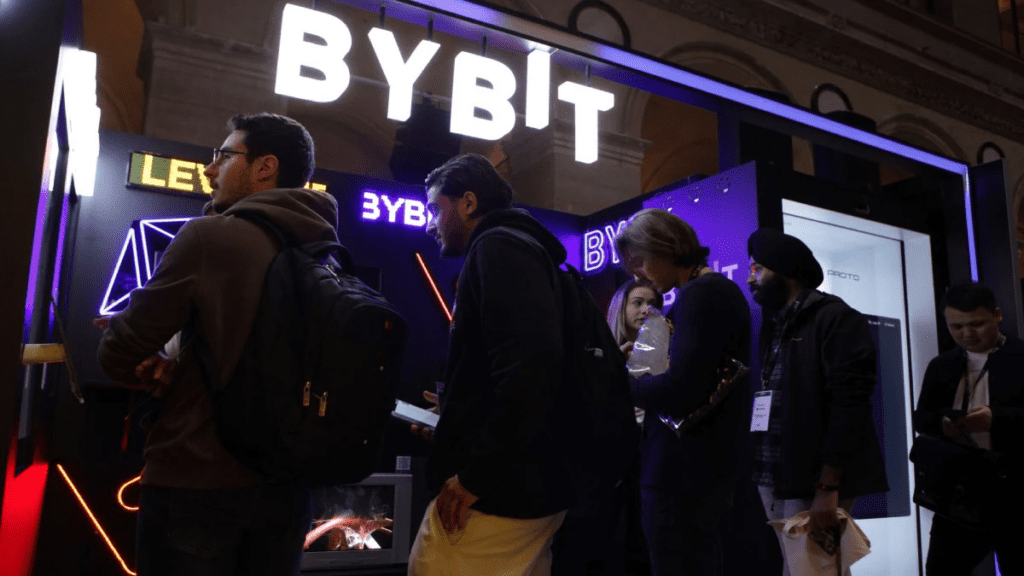
Bybit has rolled out a tokenized SpaceX IPO subscription product, becoming the second exchange this week to offer the product through the xStocks alliance. According to the company announcement, the service is branded as IPO Express and lets users subscribe with USDC. The current reference subscription price is set at 135 USDC, with an additional 5% underwriting fee. The minimum subscription amount is 100 USDC, and each user can subscribe to as many as 50 tokens.
Bybit said access opened at 08:00 UTC on Sunday for VIP and Pro users first. Allocation is scheduled to begin at 08:00 UTC on June 11, while token distribution is expected to finish at 12:30 on June 12. Funds committed during the subscription window are frozen. If the final IPO price lands within a 20% band of the reference price, the system will process the subscription automatically at the final price. If the premium exceeds that range, users must reconfirm their order within a specified window.
Product gives economic exposure, not equity ownership
The SpaceX tokens are issued by Jersey-based Backed Assets (JE) Limited. They are structured as tracker certificates, giving holders exposure to the economic performance of the underlying asset, such as price moves, rather than direct ownership of company shares. That means token holders do not receive shareholder voting rights or dividend rights.
In its press materials, Bybit said the tokens are backed 1:1 by real equity held in custody with regulated brokers. Bybit co-founder and CEO Ben Zhou also wrote on X that the product is “1:1 stock backed, compliant and secure.” The product terms add an important caveat: collateral may not always consist of the underlying shares and may instead include other eligible assets, including cash. Bybit also stated that it has not independently verified the collateral composition and has not confirmed whether a continuous 1:1 reserve of physical shares is maintained.
xStocks widens exchange access to pre-IPO exposure
The report says xStocks is operated by Payward Services, the B2B infrastructure arm of Kraken’s parent company. Kraken had already launched a similar product on June 5 under the ticker SPCXx, making it available to KYC-verified users across more than 110 jurisdictions.
On eligibility, Bybit requires users to complete Level 1 identity verification as an individual or business. Only main accounts can participate, and residents of the European Economic Area are excluded. Kraken, by contrast, has used a Cyprus-licensed subsidiary to make access available to EEA users.
Pre-IPO tokens and derivatives are expanding, but so are the risks
Before tokenized stock offerings gained traction, most major crypto venues provided exposure to private companies through synthetic perpetual products. The source material notes that Coinbase has listed a USDC-settled pre-IPO perpetual tied to SpaceX on its Bermuda-licensed international exchange. Binance, OKX, Bitget, Crypto.com, and Hyperliquid-based decentralized venues have also entered the segment.
Risk remains front and center. In May, pre-IPO tokens linked to Anthropic and OpenAI saw a sharp collapse after both companies warned that share transfers through SPVs violated their corporate charters. The xStocks structure differs because it uses bearer debt instruments tied to custodied shares rather than direct SPV-held stock, but the report says it is still unclear whether SpaceX has similar transfer restrictions. Perpetual products tied to pre-IPO names have shown the same fragility. On decentralized platform Ventuals, an offchain oracle issue recently triggered a 45% crash in a SpaceX contract within 30 minutes.
Bybit page shows about 550 preregistrations
Data on the IPO Express page showed that, as of Sunday morning Eastern Time, about 550 users had completed preregistration on Bybit, with total committed capital nearing $9.1 million. The report also described the SpaceX listing as targeting a $1.75 trillion valuation, a $135 share price, and a fundraising goal of $75 billion, with an underwriting syndicate that includes 23 Wall Street investment banks.