Tokenized U.S. stock lending grows, but frozen weekend pricing is becoming the key liquidation risk
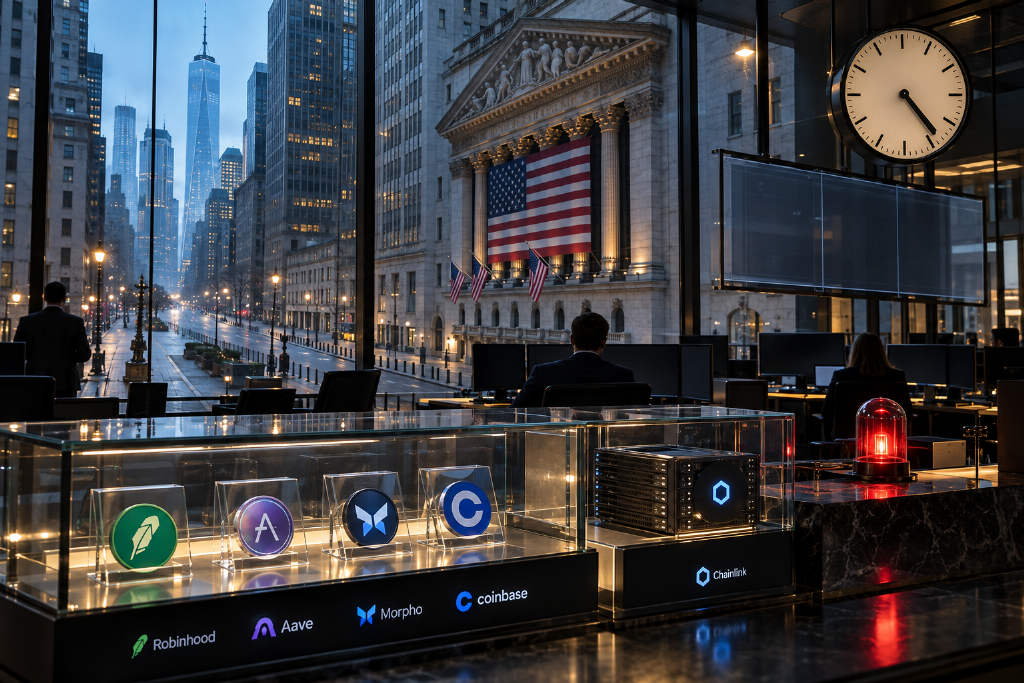
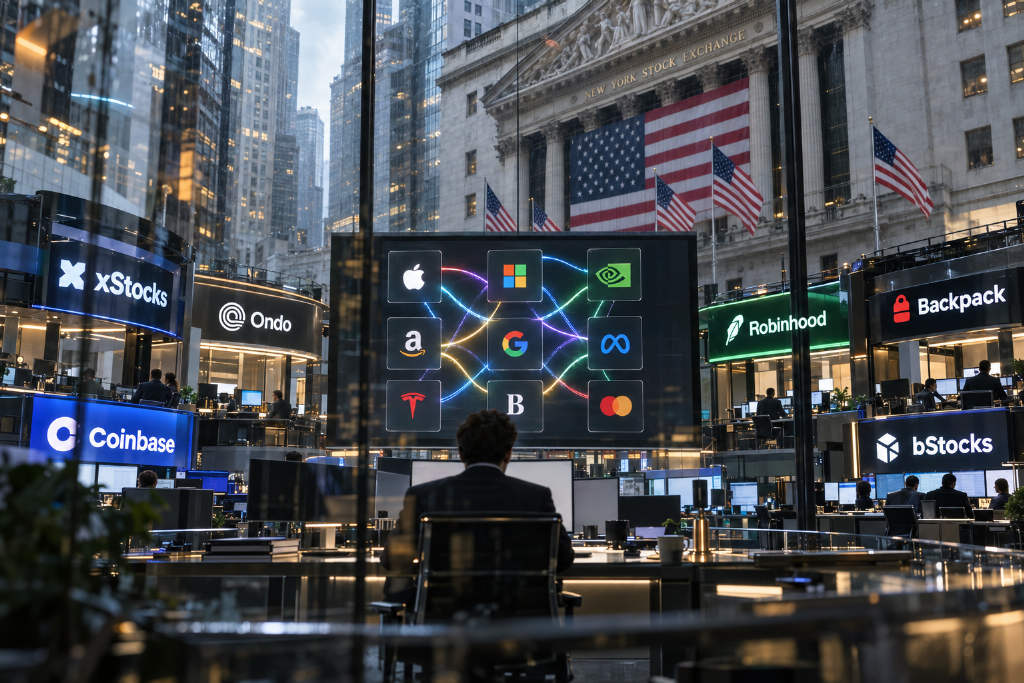
Tokenized U.S. equities are moving beyond simple trading and into onchain lending, opening a new credit channel for investors who often cannot access margin accounts or securities-backed loans through traditional brokers. Over the past month, Robinhood’s stock tokens saw heavy activity outside regular U.S. market hours, and new lending venues from Aave and Morpho now let holders borrow stablecoins against tokenized shares. That shift gives assets such as Apple, Nvidia, Microsoft, and Coinbase stock tokens a practical financing use that many offshore investors have never had. The problem is that decentralized lending markets run continuously while the underlying U.S. equity market does not. Chainlink’s stock price feeds update only between Sunday 8 p.m. and Friday 8 p.m. Eastern Time, then freeze through weekends and U.S. holidays. During that gap, loans keep accruing interest and liquidation engines remain live. The article argues this creates two structural dangers: borrowers can exploit stale Friday prices after negative weekend news, and thin onchain weekend liquidity can also trigger false liquidations if protocols rely on decentralized exchange prices instead. Protocols are responding with tighter pool caps, paused liquidations during market closures, and fixed-term lending models, but the weekend gap remains unresolved.