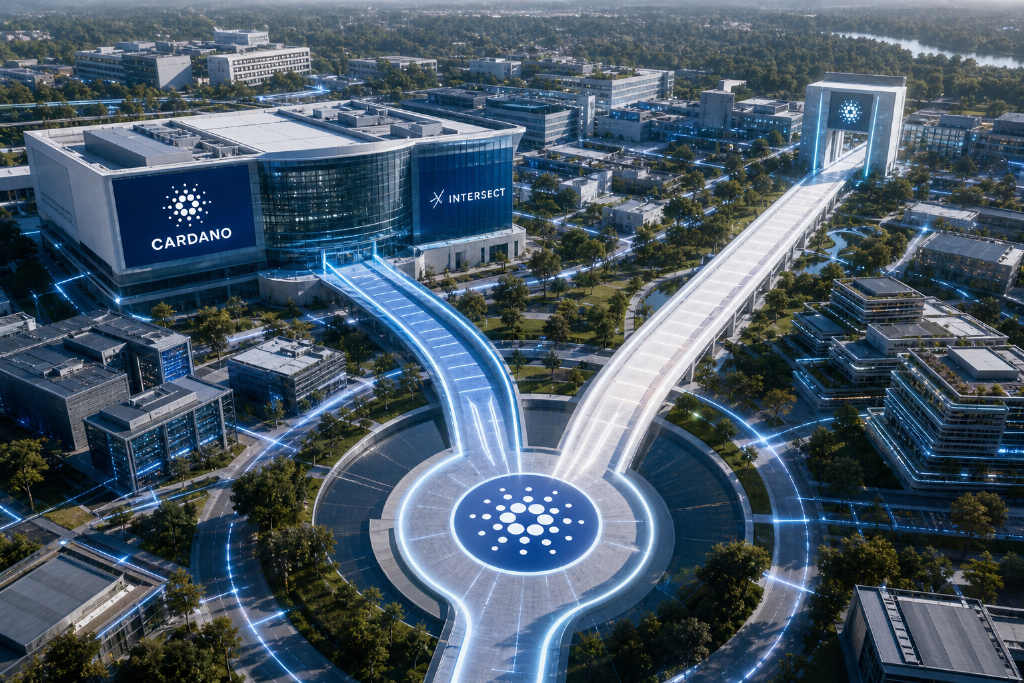
Cardano governance body Intersect has updated the roadmap for the Dijkstra upgrade, breaking the rollout into two separate phases, according to Crypto.news. The first phase is scheduled for the fourth quarter of 2026 and includes the Linear Leios scaling design, nested transactions, a new serialization structure, and PlutusV4 changes. A second phase is set to activate the Ouroboros Peras consensus protocol through a separate hard fork, with a target window in the second quarter of 2027.
The roadmap update also outlines how Linear Leios is intended to work. It introduces an endorsement block mechanism under which a stake committee certifies additional transactions to raise throughput, while keeping the current Praos security model in place. Cardano also plans to submit an amendment by Sept. 11 to add parameters tied to Dijkstra. Separately, the Rust node client Amaru already has relay and chain-sync capabilities, and its mainnet block-production target is November 2026. Intersect said the dates are estimates rather than firm commitments, adding that governance procedures and community testing could delay activation.
Cardano governance outfit Intersect has refreshed the roadmap for the Dijkstra upgrade and broken the rollout into two stages, according to Crypto.news.
Phase one is penciled in for Q4 2026. It covers the Linear Leios scaling proposal, nested transactions, a fresh serialization structure, and PlutusV4 changes. Phase two would switch on the Ouroboros Peras consensus protocol in a separate hard fork, with Q2 2027 as the target date.
Linear Leios brings in an endorsement block mechanism. In that setup, a stake committee certifies extra transactions to lift throughput while keeping the current Praos security model intact.
Cardano is also preparing to file an amendment by Sept. 11 to add parameters tied to Dijkstra. The Rust node client Amaru already supports relay and chain-sync capabilities, and it is aiming for mainnet block production in November 2026.
Intersect said the timeline should be read as an estimate, not a commitment. So yes, governance processes and community testing could still delay activation.
This article was originally published by Bit.Fan. For more cryptocurrency news and market insights, visit www.bit.fan. Disclaimer:
The market information, project data, and third-party content displayed on this platform are for industry information sharing only and do not constitute any form of investment advice or return commitment.
Cryptocurrency trading carries high risks. Users should fully assess their risk tolerance and make independent decisions. All profits, losses, and legal responsibilities are borne by the users themselves.