
This article was originally published by Bit.Fan. For more cryptocurrency news and market insights, visit www.bit.fan.
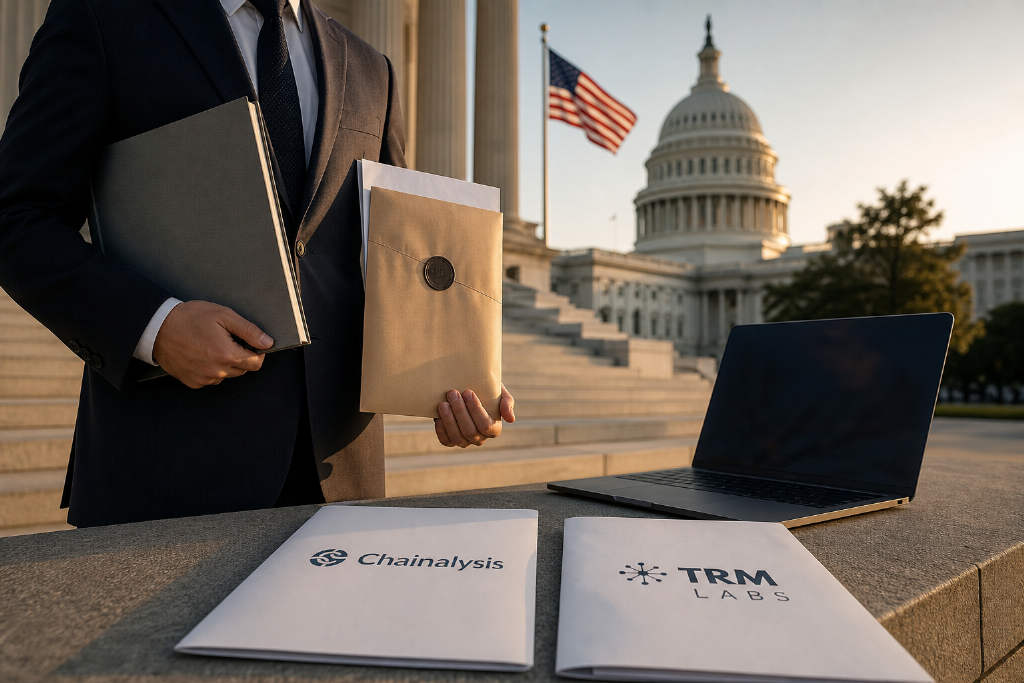
Chainalysis sues U.S. government over ICE’s direct award of a $94.6 million TRM Labs contract
N
News EditorChainalysis Government Solutions has sued after U.S. Immigration and Customs Enforcement directly awarded about $94.6 million to TRM Labs, calling the procurement decision “unreasonable and arbitrary.” The dispute centers on a one-year contract running from July 1, 2026, to June 30, 2027, for blockchain forensics software and support services for a Homeland Security task force. TRM Labs joined the case on July 28 to defend the award alongside the U.S. government. The court has set oral arguments for Sept. 2 and asked the government to issue a decision by Sept. 10.
Chainalysis Government Solutions has filed suit over U.S. Immigration and Customs Enforcement’s direct award of an approximately $94.6 million contract to rival TRM Labs, arguing that the procurement decision was “unreasonable and arbitrary.”
The dispute was filed on July 27 in the U.S. Court of Federal Claims. It concerns a one-year contract that would run from July 1, 2026, to June 30, 2027, and would provide blockchain forensics software and support services to a Homeland Security task force.
TRM Labs entered the case on July 28 and is defending the contract award together with the U.S. government.
ICE had spent about six days on market research. After receiving responses from eight companies, it concluded that only TRM Labs had the required capabilities.
Chainalysis’ main request remains sealed because it involves commercial secrets. The court has scheduled oral arguments for Sept. 2 and ordered the government to make a decision no later than Sept. 10.
11300
Disclaimer:
The market information, project data, and third-party content displayed on this platform are for industry information sharing only and do not constitute any form of investment advice or return commitment.
Cryptocurrency trading carries high risks. Users should fully assess their risk tolerance and make independent decisions. All profits, losses, and legal responsibilities are borne by the users themselves.