

From 'Ask for Forgiveness' to Compliance Reflection: CZ's Transformation
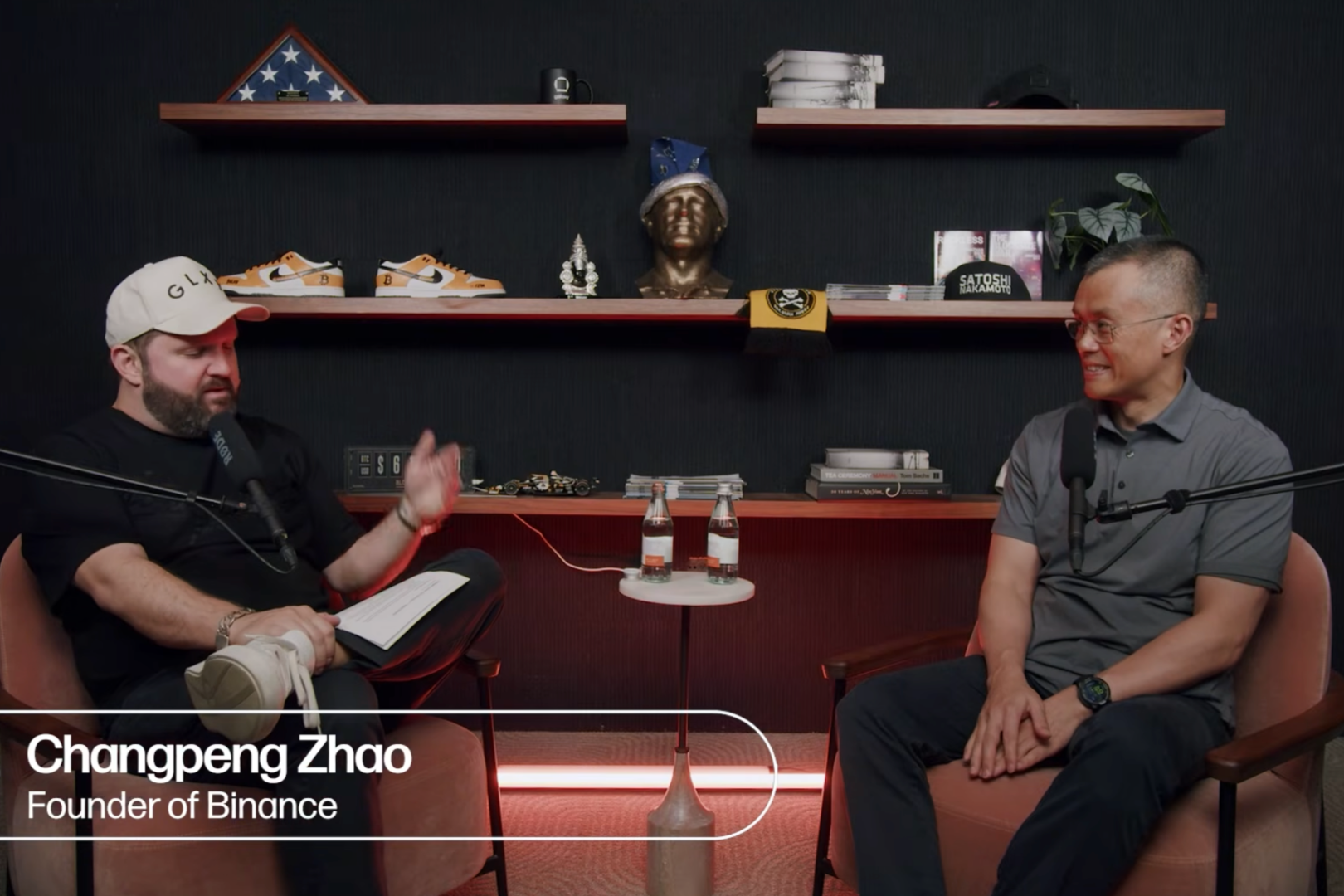
In a candid interview with The Block, Binance founder Changpeng Zhao (CZ) addressed multiple sensitive topics. Regarding the $500 million investment in Elon Musk's acquisition of X (formerly Twitter) in 2022, CZ stated the amount represented roughly 1% of the $44 billion total. The decision was driven by a desire to support free speech. Communication with Musk remained minimal—only about a dozen messages for the entire deal, averaging just a few messages per year. CZ emphasized the need for a global currency and expressed hope that X could become a payment platform transcending national borders. He revealed he messaged Musk after X Money was announced, asking if they could be partners, but was told X Money focuses on fiat and would not touch crypto for now.

Reflecting on his legal battles with the U.S. government, CZ acknowledged that his previous motto—'ask for forgiveness, not permission'—needed revision. If he were building a platform today, he would either block all U.S. users from unlicensed access or obtain proper licenses. He voluntarily flew to the U.S. to resolve the case, expecting at worst a few months of home confinement, but ended up serving prison time for a single Bank Secrecy Act violation—a harsher outcome than anticipated. Regarding wealth rankings, CZ said he does not compete with Musk or others; he hopes to be remembered simply as 'Crypto Guy' and is now focused on helping other founders.
Prison Survival: No Extortion, Group Protection, and Educational Reform
CZ detailed his prison experience vividly. Before entering, Bloomberg and other media called him the 'richest person ever to go to U.S. prison,' and his lawyers warned he would be a major target for extortion. Once inside, however, he never encountered extortion. He quickly joined a group called 'Pacific Islanders,' which was half Asian, and another major group of Mexican drug traffickers. Contradicting a former warden-turned-consultant who advised solitude, another consultant with prison experience told him to join a group immediately or be bullied. After joining, disputes were settled through group representatives, and when asked about his wealth, he simply laughed: 'I don't know what you're talking about, what money?'
After his release, CZ began funding the Prison Professor project founded by Michael Santos, who had been sentenced to 45 years for his first drug trafficking conviction (more than most murder sentences) and served 26 years. Santos earned a bachelor's and master's degree while inside and wrote six books. CZ donates $500,000 every six months, totaling $2 million over four transfers. The project integrates Binance Academy content—including blockchain, AI, and crypto education—into prison curricula. CZ believes many inmates should not be incarcerated under imperfect legal systems, and education is key to preventing reoffending after release.
European Regulatory Game: Greece's MiCA Denial Is 'Lose-Lose'
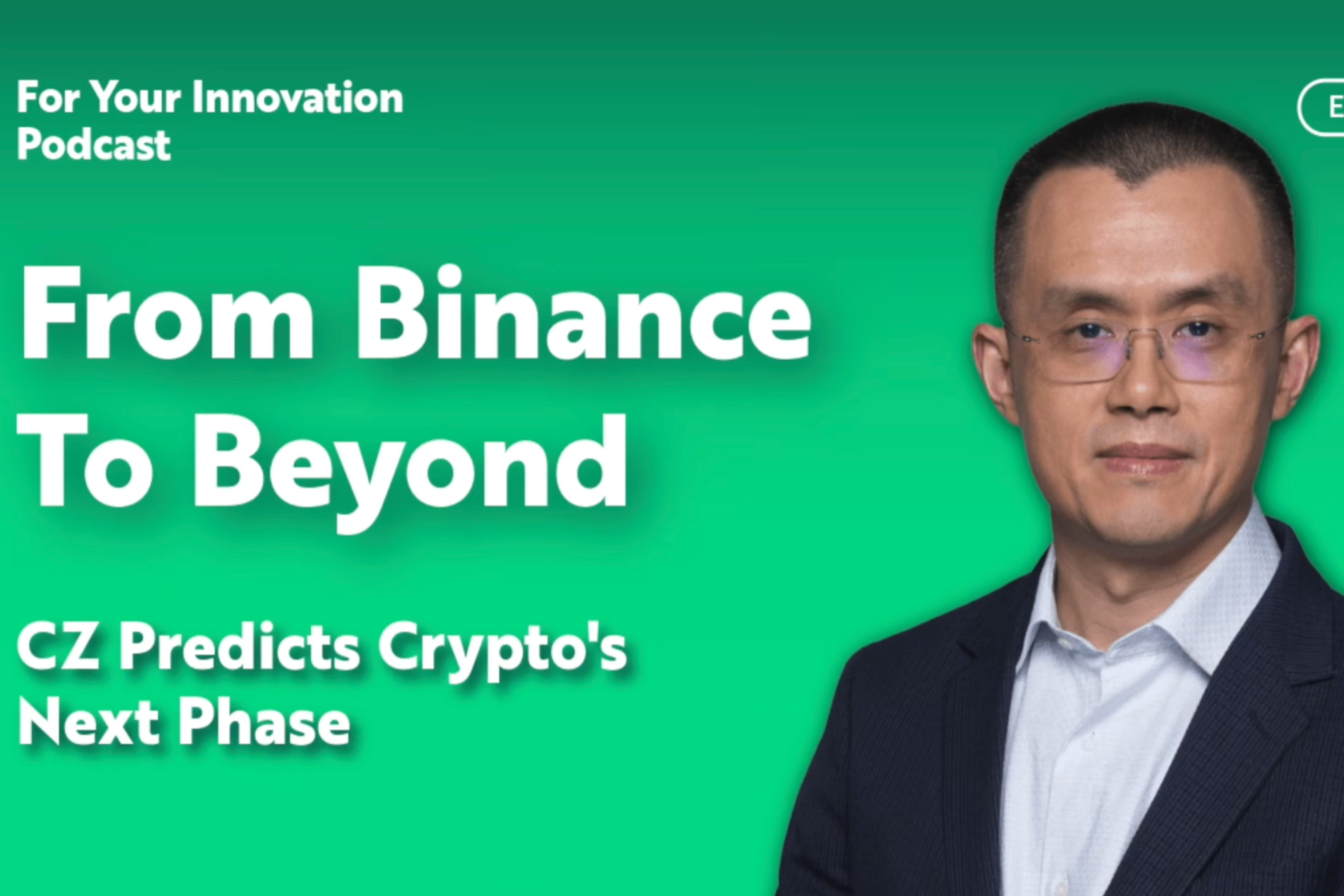
CZ confirmed reports that Greece was poised to approve Binance's MiCA application before political pushback, allegedly involving European Central Bank President Christine Lagarde. Binance subsequently withdrew its application. CZ called the situation: 'For Binance it's a loss, for Europe it's also a loss. This is a lose-lose.' He noted Europe's complex political structure (27 member states plus the EU) fosters conservatism, but remains confident that countries with forward-looking crypto policies will benefit, and laggards will self-correct over time.
He cited Binance's past regulatory struggles in Japan and Singapore. Japan issued a warning in 2018, but by 2022 Binance was invited back and received full license in 2023, with SoftBank Japan as a major shareholder. Singapore forced Binance to exit in 2021, leading most users to migrate to FTX—which was backed by Singapore's sovereign wealth fund Temasek—but Binance eventually overcame those challenges. CZ emphasized that compliance is an ongoing process and Binance will continue pursuing licenses worldwide.
Bitcoin Future: $1 Million by 2033, Cycles, and Multi-Chain Diversity
CZ expressed strong bullishness on Bitcoin. He noted that Bitcoin's four-year cycle remains intact, and the current ~50% drawdown from the all-time high is normal. He argued that as total market cap grows, volatility will decrease, but Bitcoin is far from saturation—less than 1% of global personal wealth is held in BTC. Using cycle multipliers: the last cycle saw Bitcoin roughly double; if the next cycle delivers a 5x increase, prices would exceed $500k–$600k; the following cycle (2033) would only need a 2x to reach $1 million, a scenario he considers plausible.
He stressed the importance of blockchain diversity. If only Bitcoin existed, innovation would be severely constrained due to protocol upgrade difficulty and limited programmability. The rise of Ethereum, BNB Chain, and others has accelerated industry growth. Ordinals demonstrated that Bitcoin can evolve, but having 10, 20, or even hundreds of innovative chains is healthy—though hundreds may be the long tail, as most chains will not succeed. AI will need funding and will increasingly adopt crypto, while blockchain will continue serving applications beyond money, including land ownership and identity verification.

AI Boosting the Industry: Kimi as Daily Tool, Security Gains with Caution
CZ revealed his most-used AI tool is the free version of Kimi, simply because his paid quota ran out. He praised Kimi as simpler, cheaper, faster, and accessible everywhere. He tried to use AI to program cleaning his Gmail inbox but gave up because the AI considered every meeting request important.
Regarding AI's impact on crypto, CZ estimated a 20–50% improvement in coding efficiency, but stressed that programmers must still review and understand every line of code. AI's greatest value lies in vulnerability detection—for example, providing an AI model trained only on binance.com code can surface platform bugs earlier than humans. He warned against putting all eggs in one basket: hot wallets, multi-signature, code wallets, and continuous upgrades against quantum attacks are essential. Large platforms have resources to invest billions in security, while small platforms struggle. He noted that DeFi hacks, though painful (typically millions to tens of millions), help the industry learn and improve defenses.

Competitors and Controversies: Focus on Product, Criticize Immaturity
CZ criticized many competitors for copying products and technology but making shortsighted financial decisions. He called attacks on competitors 'immature' and advised teams to focus on building the best products and user protection. He praised Hyperliquid's success but noted that no product stays on top forever, and his advisory role at Aster leaves room for future competition.
On Strategy (formerly MicroStrategy) and its leveraged products (STRC), CZ admitted he could not fully understand the complexity despite multiple attempts. He defended Michael Saylor as very smart and a true Bitcoin maximalist, but warned that leveraged products based on volatile Bitcoin may not be ideal. He criticized the market's overreaction to Strategy selling 32 BTC out of its nearly 1 million BTC holdings. Regarding the CEA incident—Binance provided ~$100 million in BNB (20% of funds raised)—CZ noted that after CEA's stock fell below $1, several YZi Labs team members voluntarily stepped in to manage the situation, investing their own money alongside, so he trusts their resolution.

CZ concluded by reiterating his core belief: cryptocurrency is the future of money, and he will continue as a facilitator to help the industry grow, not as a dominator.