
Curious about Bitcoin mining but put off by the high costs, technical complexity, and energy consumption? Crypto cloud mining could be your low-barrier entry point. It allows anyone to participate in mining without ever touching an ASIC device or wrestling with GPU configurations. This model has grown in popularity but comes with its own set of pitfalls that every beginner should understand. This guide walks you through the concept, mechanics, benefits, risks, and step-by-step instructions for getting started safely.
If you’ve been following Bitcoin and want a slice of the mining rewards without building a physical farm, cloud mining offers a straightforward on-ramp: you rent computational power from remote data centers and earn a proportional share of the block rewards. Let’s begin with the fundamentals.
What Is Crypto Cloud Mining?
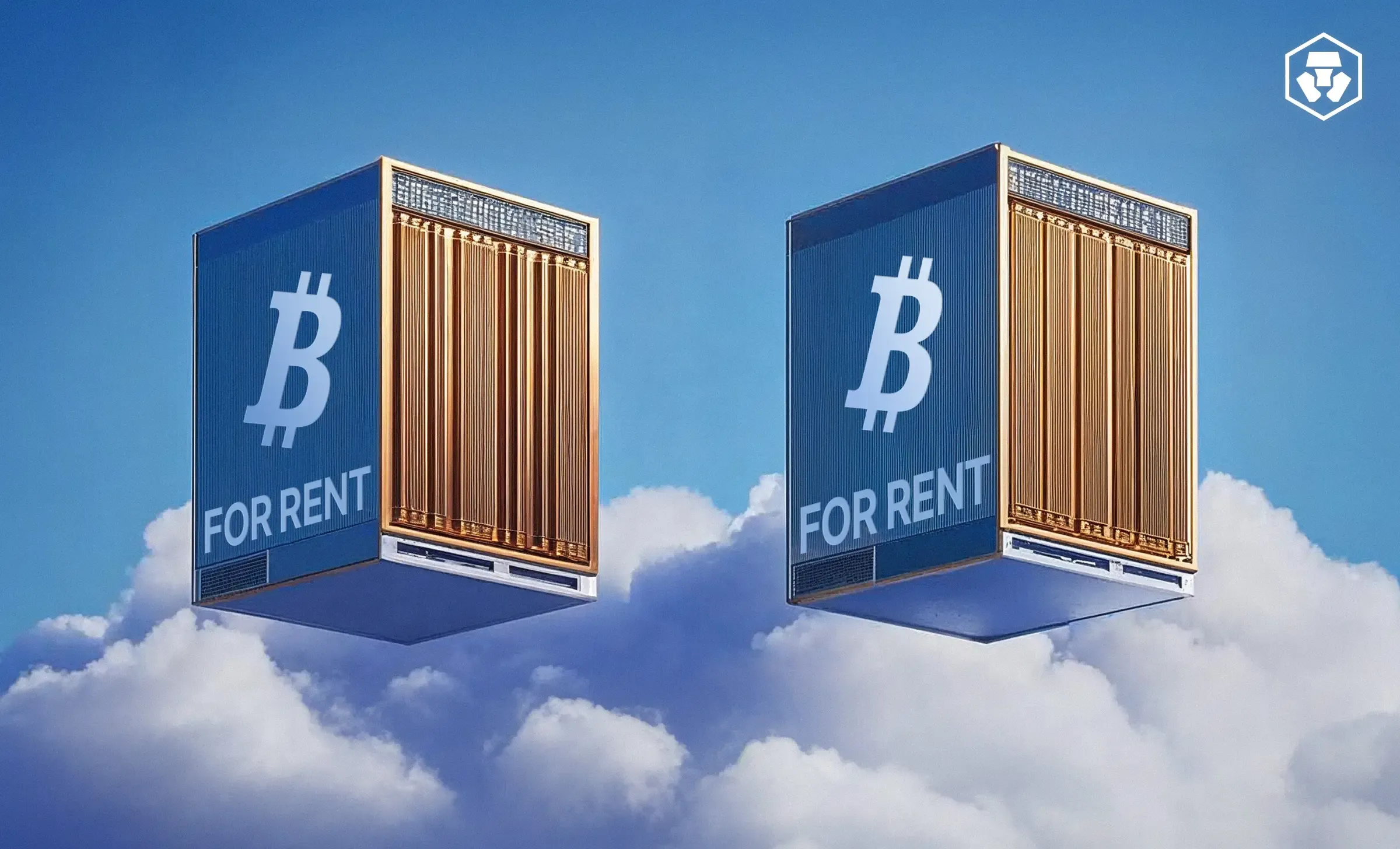
Crypto cloud mining is a service model that lets individuals lease hashing power from professional mining facilities instead of purchasing and maintaining their own hardware. You pay a fee to secure a certain amount of “hashrate” (measured in TH/s or MH/s), and the provider runs the mining machines on your behalf in a dedicated data center. In return, you receive a portion of the block rewards and transaction fees generated by that hashrate.
Traditional mining demands serious investment in hardware, electrical infrastructure, cooling systems, and noise reduction—plus ongoing electricity bills. Cloud mining shifts these burdens entirely to the provider, which typically operates large-scale farms in regions with cheap electricity (e.g., North America, Northern Europe, or Central Asia), achieving economies of scale that drive down the cost per terahash. Users simply choose a contract, select a coin to mine, and wait for periodic payouts—a process that remains completely invisible to the end user.
The most common coins mined via cloud mining are those running on Proof of Work (PoW) consensus, notably Bitcoin (BTC), Litecoin (LTC), and Dogecoin (DOGE). Ethereum (ETH) mining ceased entirely in September 2022 when the network transitioned to Proof of Stake (PoS) through “The Merge,” meaning ETH is no longer available for cloud mining contracts.
For example, a user might spend $500 on a 12-month Bitcoin cloud mining contract that provides 100 TH/s. The provider allocates the corresponding number of ASIC miners to this contract and keeps them running 24/7. After deducting daily maintenance and electricity fees, the user receives small BTC deposits on a daily or weekly basis. The total return hinges on Bitcoin’s price, the global network difficulty, and the actual uptime efficiency of the provider’s hardware.
How Crypto Cloud Mining Works
Cloud mining relies on three key participants: the provider, the user, and the mining pool.
- The Provider: Owns and maintains large-scale data centers filled with specialized mining rigs, predominantly ASICs (Application-Specific Integrated Circuits) and occasionally GPU farms. They handle electricity sourcing, cooling, hardware repairs, and connectivity.
- The User: Purchases a contract online and pays the provider to use a slice of the total hashrate. The user has no direct interaction with the physical machines—everything is managed through a web dashboard or mobile app.
- The Mining Pool: Aggregates computing power from numerous individual users or farms to compete for block rewards collectively. When the pool successfully mines a block, the reward (block subsidy plus transaction fees) is distributed among participants according to their contributed hashrate, after subtracting the pool’s fee (usually 1–2%).
In essence, a cloud mining contract is simply a hashrate rental agreement. The most common structures are:
Contract Types
- Fixed-Term Contracts: An upfront payment buys a guaranteed amount of hashrate for a set period, such as 6 or 12 months. This is the most popular option.
- Pay-As-You-Go Contracts: Users are charged daily or monthly based on the actual hashrate consumed and prevailing electricity rates. These are more flexible and ideal for testing a provider’s reliability.
- Lifetime Contracts: Positioned as having no set expiry, these continue until mining becomes unprofitable (i.e., when daily fees exceed earnings) or the contract is mutually terminated. They carry higher risk because a prolonged bear market can quickly drain your balance.
When a mining pool distributes rewards, the provider credits your online account proportionally. Payouts are typically daily, with some services offering multiple settlements per day. Earnings can be withdrawn in the original mined coin (e.g., BTC) or converted to stablecoins like USDT, and sometimes even withdrawn directly to a bank card, depending on regional support.
Since Bitcoin’s network difficulty adjusts approximately every two weeks, the output of a contract fluctuates over time. If global hashrate spikes and the BTC price stays flat, the reward per unit of hashrate steadily declines.
Advantages of Cloud Mining
For retail investors, cloud mining’s main draw is the dramatic reduction in both capital requirements and technical barriers.
Key Benefits
- No Hardware Investment: You don’t need to research ASIC models, compare power efficiency specs, or worry about second-hand equipment depreciation.
- Low Upfront Capital: Entry-level contracts can start from as little as a few dozen dollars, whereas a single current-generation Bitcoin miner costs thousands.
- Zero Maintenance Headaches: Electricity bills, site rent, cooling infrastructure, and hardware repairs are the provider’s problem. You avoid concerns about overheating, dust, or neighbor complaints about noise.
- Accessible from Anywhere: With just an internet connection, you can log into your dashboard, monitor earnings, adjust strategies, or initiate withdrawals. Many providers offer mobile apps with real-time statistics.
- Easy Diversification: You can spread a modest budget across multiple coins or multiple cloud mining platforms, reducing single-provider risk.
As an example, if you use Crypto.com, you can seamlessly channel cloud mining payouts into your Crypto.com App wallet for custodial storage, take advantage of exchange liquidity and staking products, or even spend your crypto via the Crypto.com Visa Card. Within the App, you can convert mined BTC to USDC and pay at any merchant that accepts Visa, with the conversion happening instantly at the point of sale.
How to Get Started with Cloud Mining: A Step-by-Step Guide
Step 1: Research Reputable Providers
Before committing any capital, dedicate time to vetting potential providers. Look for: public disclosure of data-center locations and hardware models, a live hashrate dashboard, verifiable reviews, and a transparent pricing model. Avoid any platform that guarantees daily profits or pushes a referral-heavy compensation plan—these are classic red flags for Ponzi schemes.
During sign-up, legitimate providers will require identity verification (KYC) to comply with anti-money laundering regulations. You’ll need a valid government-issued ID and an email address. If a platform allows large anonymous deposits without any verification, your risk escalates considerably.
Step 2: Choose the Right Mining Contract
When comparing contracts, focus on three metrics:
- Hashrate Amount: Usually quoted in TH/s for Bitcoin or MH/s for other coins. Higher hashrate means a larger slice of the pool’s rewards but also higher upfront and ongoing costs.
- Contract Duration: For beginners, 6- or 12-month fixed-term contracts are advisable. Short commitments reduce exposure to sudden shifts in market conditions.
- Fee Breakdown: Scrutinize daily maintenance fees, electricity charges, and withdrawal fees. Many contracts deduct a fixed daily maintenance fee from your earnings, and if the revenue from your hashrate falls below that fee, your account balance will gradually erode to zero.
Use the provider’s profitability calculator (or third-party simulators) with conservative inputs—assume rising difficulty and flat or slightly declining coin prices—to estimate the break-even period. Do not rely solely on the website’s marketing projections.
Step 3: Understand Fees and Payout Schedules
Many newcomers overlook the fine print until they see their first payout. Confirm the settlement frequency (daily or weekly), the minimum withdrawal threshold (e.g., 0.001 BTC), and any hidden administrative fees. A contract that looks profitable on paper can become a net loss if withdrawal minimums are too high or maintenance fees are deducted aggressively regardless of earnings.
Step 4: Set Up a Secure Crypto Wallet
Always withdraw mining rewards to a wallet where you control the private keys. A non-custodial wallet like Crypto.com Onchain Wallet supports BTC, LTC, and many other assets, keeping you in full control. If you intend to trade actively, you can also send payouts directly to your Crypto.com Exchange account.
Whichever method you choose, safeguard your seed phrase and private keys. Never share them with anyone, including individuals claiming to be “provider support.”
Step 5: Monitor and Optimize
After purchasing a contract, log in regularly to check hashrate availability, actual earnings, and fee deductions. If the realized output falls far below your initial estimates, consider terminating the contract early (if allowed) or reallocating funds to more promising contracts or alternative strategies like dollar-cost averaging.
Cloud Mining vs. Local (Hardware) Mining
Feature | Cloud Mining | Local (Hardware) Mining |
Setup Cost | Low; no hardware purchase | High; ASICs or GPUs required |
Electricity Use | Covered by provider | Paid by miner |
Maintenance | Managed externally | Must manage cooling, repairs |
Technical Skill | Beginner-friendly | Requires expertise |
Profit Control | Dependent on provider’s efficiency | Full control over rigs |
Scalability | Easy to scale via contracts | Limited by physical capacity |
Risks | Platform trust, fees, scams | Hardware failure, power costs |
In short, cloud mining offers convenience at the expense of control; local mining grants autonomy but demands both significant capital and technical know-how.
Risks of Cloud Mining
While cloud mining lowers the barrier to entry, it is far from risk-free. Recognizing these threats is the first step to protecting your capital.
1. Scams and Ponzi Schemes
The crypto space is riddled with fraudulent cloud mining operations. Common schemes include fabricating photos and videos of a non-existent mining facility, luring users with absurdly high returns, paying early participants with funds from new deposits, and then absconding when the cash flow dries up. “Exit scams” are also common—the platform shuts down overnight after accumulating a critical mass of user deposits.
Warning signs: guaranteed daily returns, no verifiable company registration, heavy emphasis on referral bonuses, and refusal to provide proof of actual mining operations.
2. Lack of Transparency
Even some ostensibly genuine services obscure their fee structures or exaggerate their hashrate. If a provider does not publish a public mining pool address with verifiable on-chain hashrate data, you have no way to confirm that your rented power is actually contributing to the network.
3. Profitability Uncertainty
Bitcoin’s mining difficulty adjusts upward with global hashrate growth, while the block subsidy halved to 3.125 BTC in April 2024. If BTC’s price stagnates or falls while difficulty remains high, the contract can quickly become unprofitable. Maintenance fees are often fixed in fiat or stablecoin terms, meaning their cost relative to declining bitcoin earnings can rapidly consume your balance during a bear market.
4. Regulatory and Legal Risk
Different jurisdictions treat mining and crypto services differently. Some have banned or restricted mining outright, while others impose high capital gains taxes on crypto earnings. If a provider operates in a regulatory gray zone, users could face account freezes or even legal action. Always check the provider’s legal status and your local laws.
In light of these risks, stick to regulated, well-reviewed platforms and store the majority of your assets in self-custodied wallets.
Bitcoin Cloud Mining: What You Need to Know
Among all coins, Bitcoin cloud mining draws the most interest because it combines the original PoW mining model with the deepest market liquidity. However, the space is extremely competitive—global hashrate continues to hit all-time highs, while miner revenue has dropped sharply since the latest halving, squeezing profit margins to historically low levels.
Websites touting “free Bitcoin cloud mining” typically ask you to sign up and claim free hashrate to earn BTC daily. In reality, these sites are phishing fronts or Ponzi schemes designed to harvest your personal data or prompt you to deposit funds that will never be returned. Remember: if it sounds too good to be true, it almost certainly is. Legitimate mining always incurs electricity and hardware costs.
For most investors, buying bitcoin directly through a trusted exchange like Crypto.com and holding it long-term offers a simpler, more transparent path to crypto exposure, bypassing the complexities and contract risks of cloud mining.
Tips for First-Time Cloud Miners
- Start with a small amount and a short-term contract to test the complete deposit-to-withdrawal process.
- Choose providers that share live mining pool addresses and hashrate reports so you can independently verify activity.
- Read the contract’s exit clauses carefully to understand early termination fees and conditions.
- Never leave large sums of mined earnings sitting on the provider’s platform—withdraw regularly to a self-custodied wallet.
- Diversify across multiple providers and coin types rather than placing all your funds in a single contract.
- Keep expectations realistic. Think of cloud mining as a slow way to accumulate satoshis, not a get-rich-quick scheme.
Is Cloud Mining Profitable?
Profitability hinges on a set of interlocking variables:
- BTC Price Trends: A rising price boosts the fiat value of mined coins; the opposite erodes it.
- Network Difficulty: Higher total hashrate means lower output per terahash. Historically, difficulty has increased by an average of 30–50% per year.
- Contract Cost: Includes the upfront price, daily maintenance fees, and electricity charges.
- Fee Structure: Fixed daily deductions can rapidly eat away at your balance in a bear market.
Historical data suggests that most cloud mining contracts deliver annualized returns (ROI) ranging from roughly -10% to +12%. Consistently beating a simple buy-and-hold strategy is rare. While some short-term contracts capitalized on the 2021 bull run, the subsequent two-year bear market wiped out many long-term contract holders.
Therefore, miners should build conservative projection models—assuming, for example, 10% annual difficulty growth and flat or mildly declining coin prices—to estimate payback periods, and stay alert to changing market conditions so they can adjust before contract expiry.
Best Practices to Avoid Cloud Mining Scams
Before transferring any funds, methodically check the following:
- Verify the company’s registration details, physical office address, and official contact channels through independent government registries.
- Search for long-term community reviews on Reddit, BitcoinTalk, and specialized mining review sites, distinguishing genuine feedback from paid promotions.
- Reject any “guaranteed profit” or “zero risk” claims. Crypto markets are volatile, and fixed-return promises are invariably fraudulent.
- Check if the provider discloses the mining pool address and corresponding hashrate. You can look up that address on block explorers like BTC.com to view real-time data and reward history.
- For your first withdrawal, test with the smallest possible amount to verify processing times and fees.
- Never share your private keys or wallet seed phrase with any cloud mining service. True mining contracts only require a public payout address—they do not need access to your wallet.
- Ensure you are on the official website—use bookmarks rather than clicking search engine ads—to avoid cloned phishing sites.
If you prefer passive crypto exposure, consider strategies like dollar-cost averaging (DCA) or earning yield through Crypto.com’s on-chain staking products, which offer clearer terms and lower operational complexity. |
Get Started with Crypto.com
- Create a free account in minutes and complete identity verification.
- Deposit fiat via bank transfer, credit/debit card, Apple Pay, or Google Pay.
- Navigate to the “Trade” section and explore over 400 cryptocurrencies.
- Manage, spend, or store your crypto anytime with the Crypto.com App and Visa Card—all operations are fully online.
Frequently Asked Questions (FAQ)
What is cloud mining?
Cloud mining allows you to rent computing power from remote data centers to mine cryptocurrency without owning hardware.
How does cloud mining work?
You pay a provider for a share of their hashrate; they run the machines and distribute mining rewards proportionally.
Can I make money with cloud mining?
Returns, if any, depend on crypto prices, fees, and mining difficulty. It’s generally viewed as a low-margin, moderate-risk activity.
Is cloud mining profitable?
It can be during bullish markets, but fees and difficulty increases often erode net gains. Always use conservative projections.
Is cloud mining legal?
Cloud mining is subject to local laws. Always check your jurisdiction’s regulations before participating.
How long does it take to mine 1 BTC with cloud mining?
The timeline depends on the contract’s hashrate and network difficulty. Even high-hashrate contracts can take several months to yield a single Bitcoin.
What is a cloud mining contract?
A contract defines the amount of hashrate you rent, its duration, and the applicable fees and payout terms.
What are the risks of cloud mining?
Common risks include scams, unverified providers, declining profitability, and hidden fees.
Is free Bitcoin cloud mining real?
Generally, no. Most “free” services are scams. Real mining always has operational costs.
Which is better: cloud mining or buying crypto?
For most beginners, buying crypto through a trusted exchange like Crypto.com provides clearer costs and immediate ownership.
Disclaimer:
All examples in this article are for informational purposes only. Nothing contained herein constitutes legal, tax, investment, financial, cybersecurity, or other advice. No part of this article shall be interpreted as a solicitation, recommendation, endorsement, or offer by Crypto.com to invest, buy, or sell any coins, tokens, or other crypto assets. Returns on crypto transactions may be subject to tax, including capital gains tax, depending on your jurisdiction. Any descriptions of Crypto.com products or features are for illustrative purposes only and do not constitute an endorsement, invitation, or solicitation.
Past performance is not a guarantee of future results. The value of crypto assets can go up or down, and you may lose all or a substantial portion of your purchase price. When assessing any crypto asset, it is essential that you do your own research and due diligence; any purchase decisions are your sole responsibility.