

Even the most casual observer can feel that the crypto industry is undergoing a generational shift. Over the past decade, the core skill of crypto was asset issuance—launch a chain, issue a token, combine narratives, airdrops, and liquidity incentives, and push it to the market. Now, those native assets are dying a slow death, while liquidity and attention are being absorbed by old-world assets: U.S. stocks, Treasuries, gold, crude oil, indices. The main characters on-chain have changed; native assets are ignored, mirrored assets are everywhere.
Every bear market brings complaints that “ETH is done” or “altcoins are dead,” but ETH at $2,000 feels more hopeless than at $200 because the industry’s function itself has shifted—from a “new asset factory” to a “global asset channel.” Stablecoins are the earliest and most successful example. The mass adoption of USDT and USDC is not crypto defeating the dollar; it is the crypto world finding a more efficient way for dollars to circulate on-chain. Over the past decade, countless projects shouted “create a new monetary system,” but only stablecoins gained massive global usage. The true capability of blockchain that has been validated at scale is not value storage, governance, or complex financial innovation—it is peer-to-peer transfer and global settlement. Satoshi lives.

The Plight of Native Assets: Shitcoins Standing Next to NVIDIA
When hot money floods in, we compare TPS between chains, TVL between DeFi projects, community buzz between memes, and each story carries imagination. But now, internal narratives are exhausted, while external wealth effects are everywhere. Altcoins must now compete against two types of rivals: traditional assets with real cash flows and global pricing, and AI’s new tech cycle with both future narratives and tangible products. Junk coins with no revenue, no demand, and no value capture look especially ugly next to NVIDIA, crude oil, and AI applications.
Ethereum and DeFi: Reality After the Narrative Collapse
Ethereum’s challenges go beyond roadmap and liquidity pressures; the “native asset worldview” it represented has been squeezed out. On one side, mapped traditional assets are entering on-chain; on the other, AI monopolizes global tech narratives. ETH’s ability to capture ecosystem value is meager—users can pay on Base, trade on Arbitrum, move assets between rollups, even trade U.S. stocks on-chain, but they certainly don’t need to hold ETH for that. DeFi’s grand narrative of rebuilding finance has also crumbled. Lending, DEXs, and yield aggregators persist, but they increasingly resemble infrastructure, incapable of carrying the industry’s imagination.
The crypto world must admit that on-chain finance doesn’t need to reinvent NVIDIA or the dollar; it just needs to make those assets more freely transferable, tradeable, collateralizable, shortable, and leverageable.

Rise of On-chain Perpetuals: Hyperliquid’s Four Waves
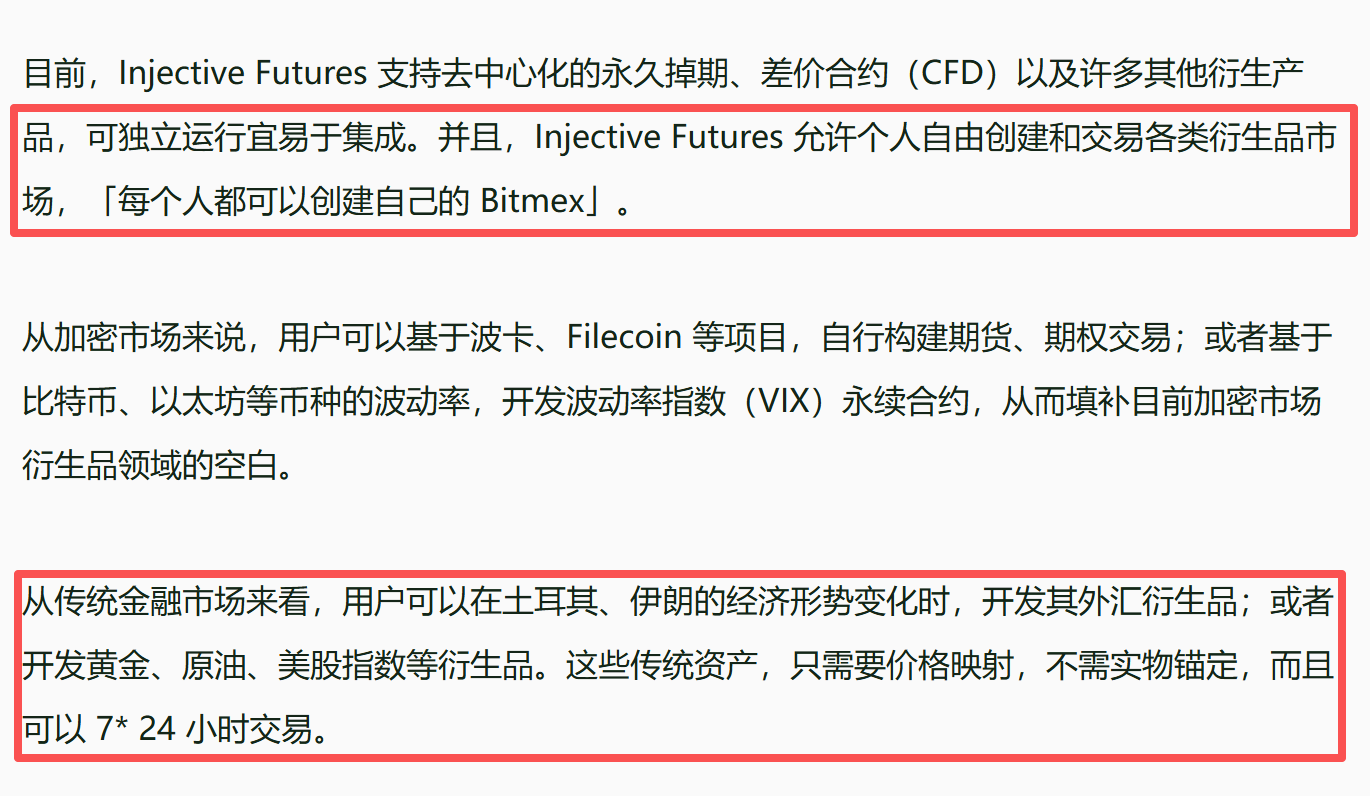
The idea of putting U.S. stocks on-chain, RWA, and on-chain perpetuals isn’t new. Previous attempts mostly failed. Hyperliquid started rough, with mediocre liquidity and regulatory criticism, but it caught successive waves and became the biggest winner. Old hands like Kyle Samani looked down on it because they had seen too many similar projects too early, missing the opportunity.

The first wave was the “CEX-ification” of on-chain perps, making the experience more like a centralized exchange, with order books, low latency, rebates, and airdrops. The second wave came after market shocks exposed central exchange black-box risks, driving whales to the transparent on-chain environment. The third wave saw macro volatility from wars and geopolitics, creating demand for 24/7 global trading venues. The fourth wave was the explosion of U.S. stock trading on-chain, where hot assets enter a 24/7, low-barrier perpetual market, attracting traffic and market-making, which in turn deepens liquidity—a self-reinforcing flywheel. Latecomers can only watch its back.
Perpetuals: The Most Successful and Dangerous Financial Monster in Crypto
Perpetual contracts reduce an asset to a price symbol to bet on, compressing complex ownership into long/short direction and leverage multiples. People may not want to own NVIDIA, but they want to trade its volatility; they may not need gold, but want to bet on its direction. Perps don’t create new assets—they create new casinos; they don’t offer ownership, but offer risk exposure. They eliminate delivery dates, turning a finite product into an eternal one; they erase opening and closing bells, making markets always on; they naturally cross borders. Countless people have been liquidated, fortunes evaporated, yet they also created unprecedented liquidity and price-discovery efficiency.

Looking back, the most successful currency in crypto is the dollar, the most successful asset is Bitcoin, the most successful application is trading, and today’s most “expected new growth” comes from U.S. stocks. This is the failure of idealists, and perhaps more accurately the market’s final screening. The crypto industry is no longer obsessed with inventing new assets; it is working to turn existing assets into always-on, globally accessible, permissionless trading pairs. Crypto is dead, but Perp is forever.

Today the crypto world has stopped dreaming up new assets and instead tries to turn existing assets into trading pairs that never sleep, reach everyone, and require no permission. Crypto is dead, Perp is eternal.