

Four-Phase Evolution: From Experiment to Industrial Formation
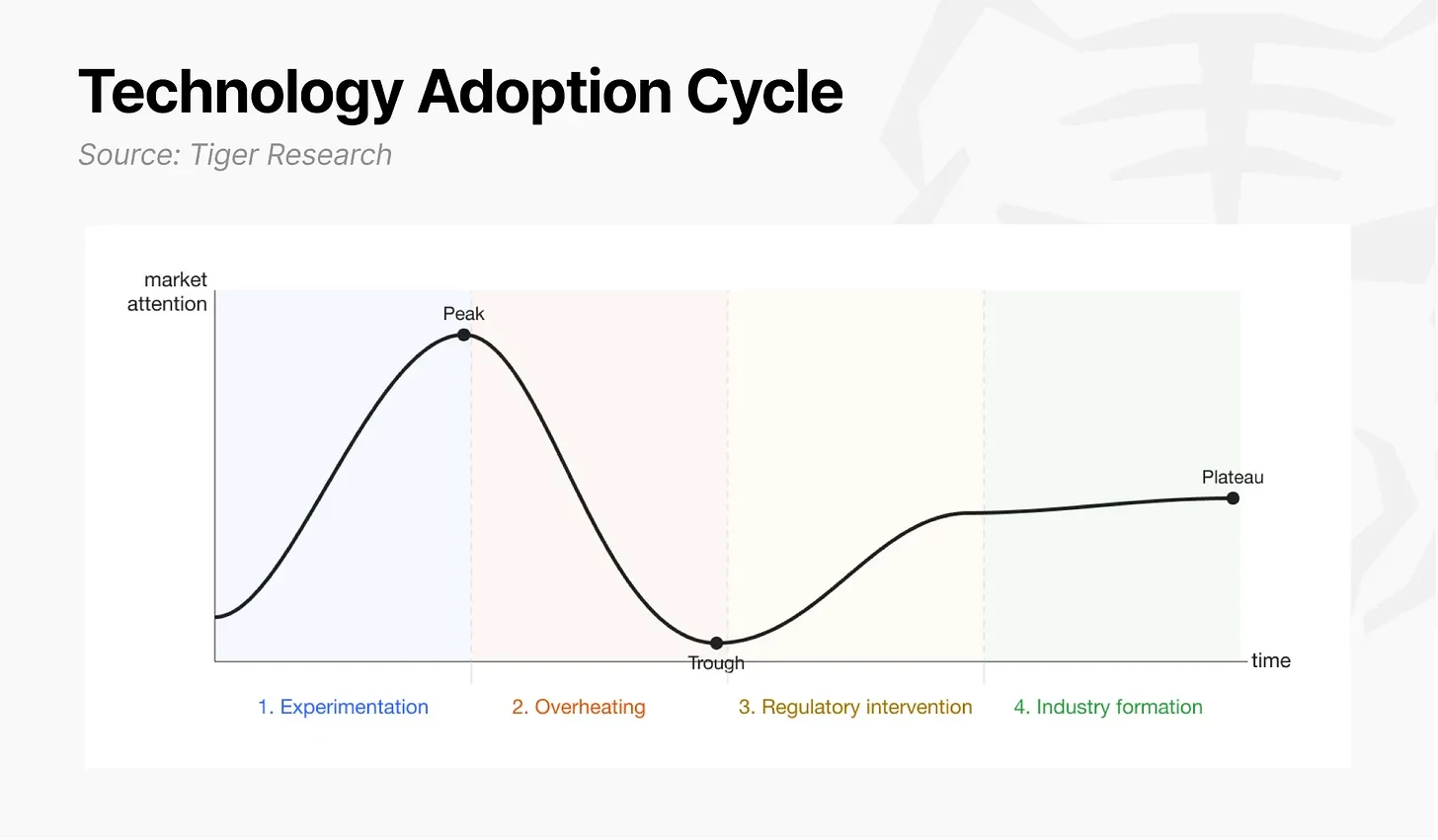
New technologies typically undergo four phases: experimentation, hype, regulatory intervention, and industrial formation. Crypto is currently transitioning between phases three and four. Bitcoin demonstrated payment and settlement possibilities (experimentation); the 2017 ICO boom and 2021 DeFi wave fueled speculation (hype); the FTX collapse in 2022 marked a turning point, filtering out speculative demand and validating real use cases. US regulators shifted from laissez-faire to formalization (regulatory intervention). Because crypto attempts to replace core financial functions like settlement, payment, and issuance, it generates greater friction with traditional finance and thus takes longer to integrate.
Major US Regulatory Breakthroughs
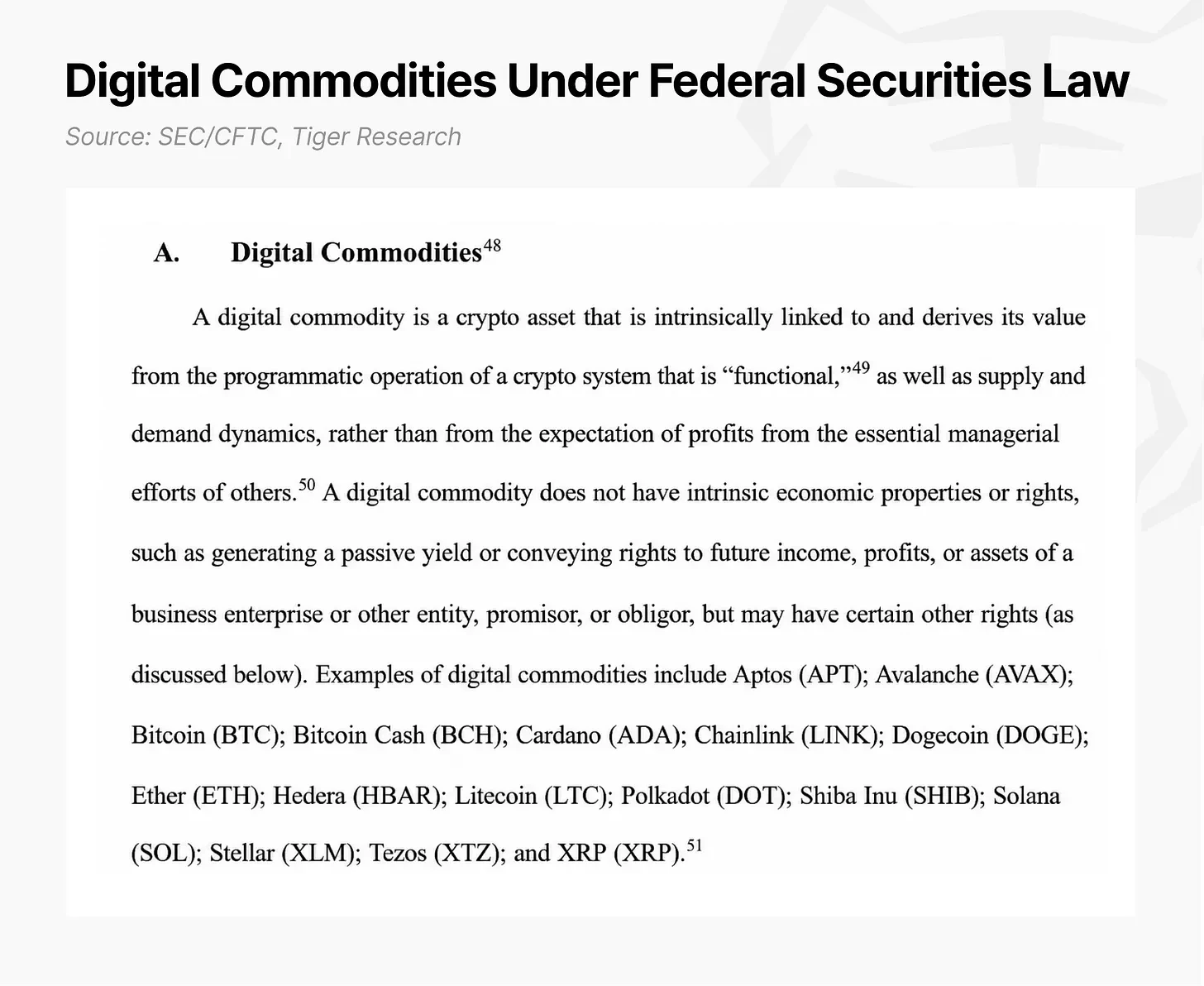
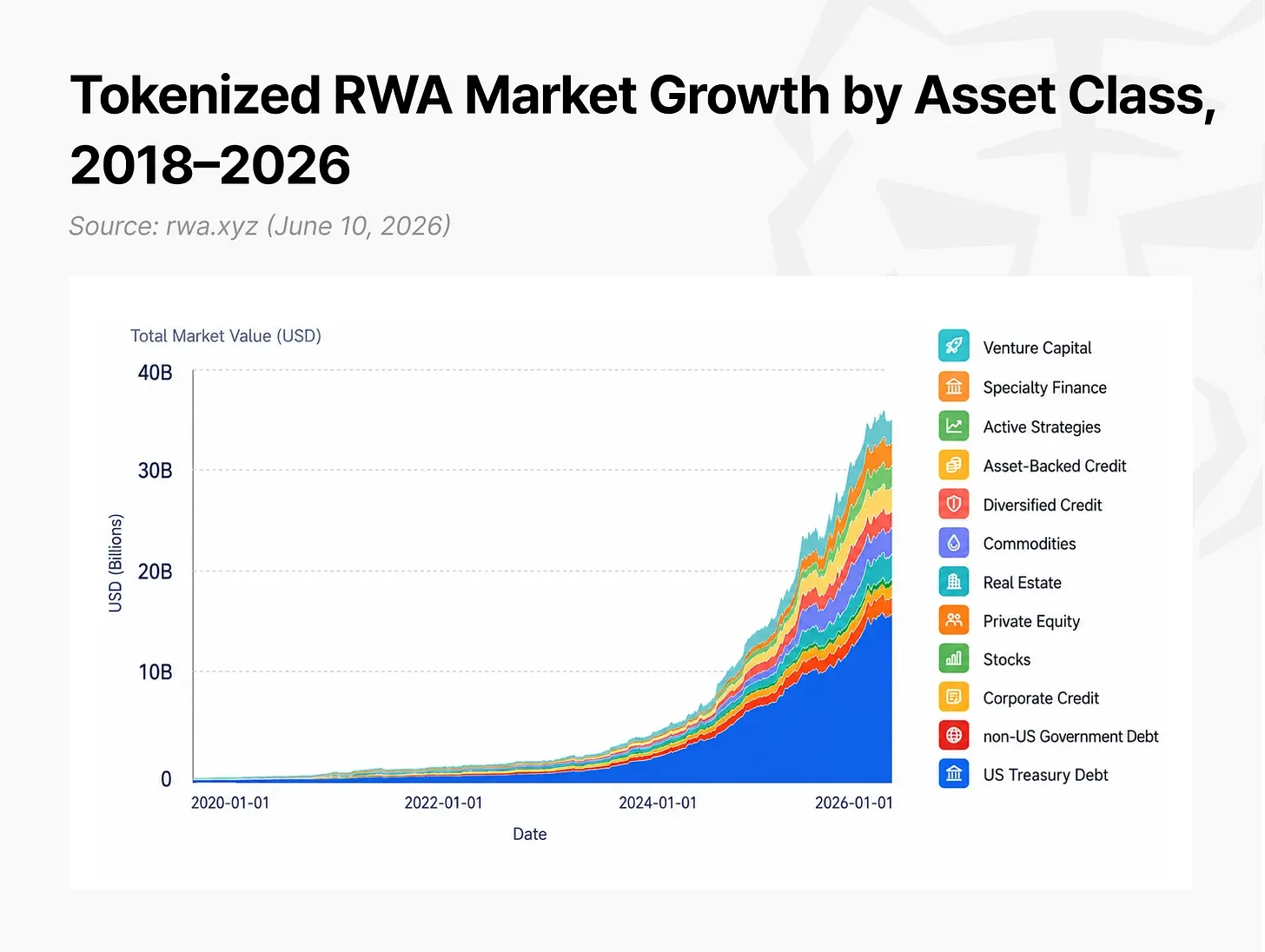
Between 2025 and 2026, US regulatory progress accelerated significantly. Congress passed the GENIUS Act, clarifying the legal status of stablecoins. In March 2026, the SEC and CFTC issued joint interpretive guidance identifying 16 assets, including Solana (SOL), as digital commodities, abandoning the binary security/non-security classification and formally excluding protocol staking from securities law. Institutional adoption continues to accelerate: the tokenized RWA market grew from $5.4 billion to $19.3 billion in 15 months (257% increase); combined with stablecoins, on-chain assets total nearly $300 billion. Industrial formation is now moving in parallel with regulatory construction.
Internet Capital Markets (ICM): Definition and Core Advantages
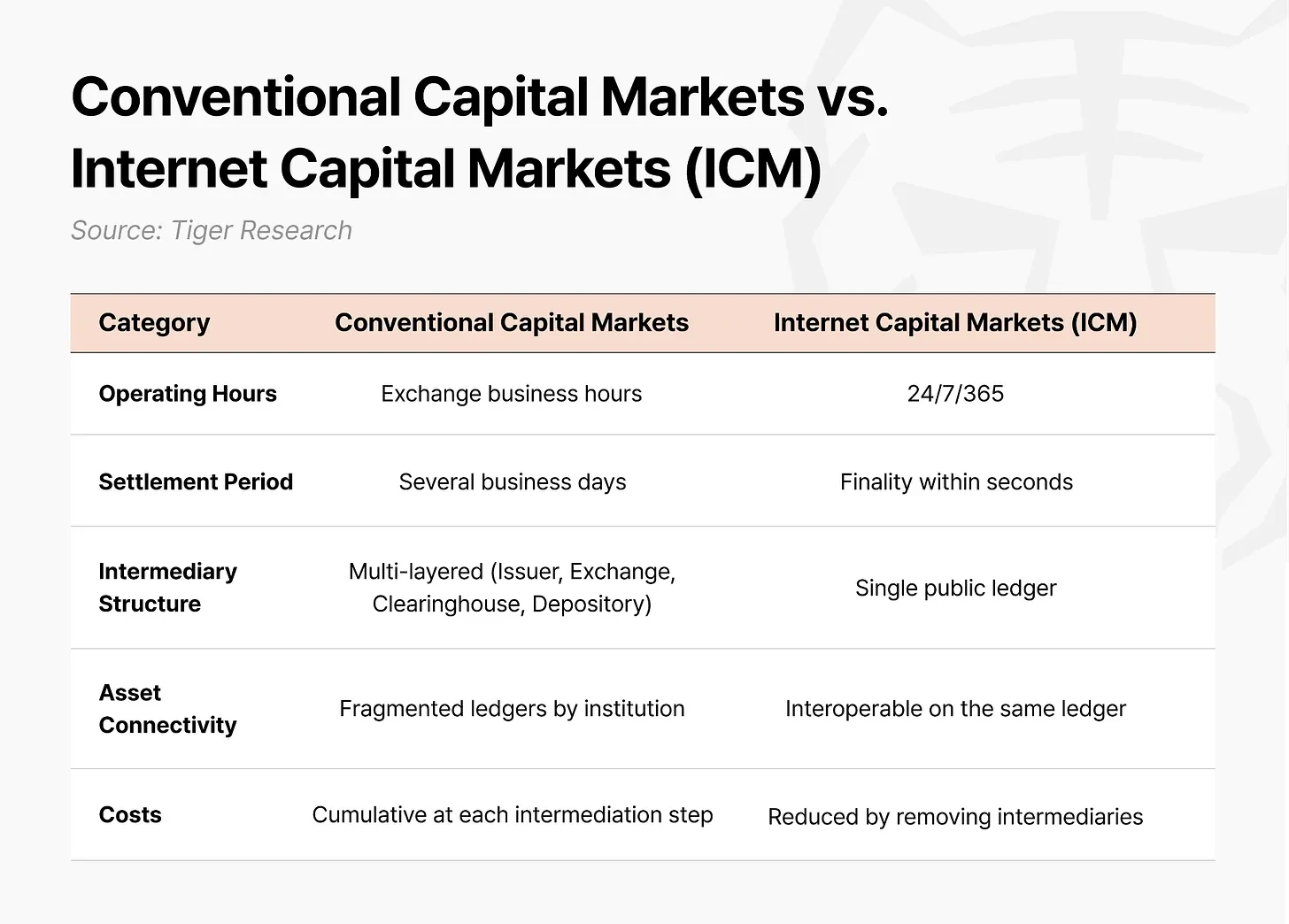
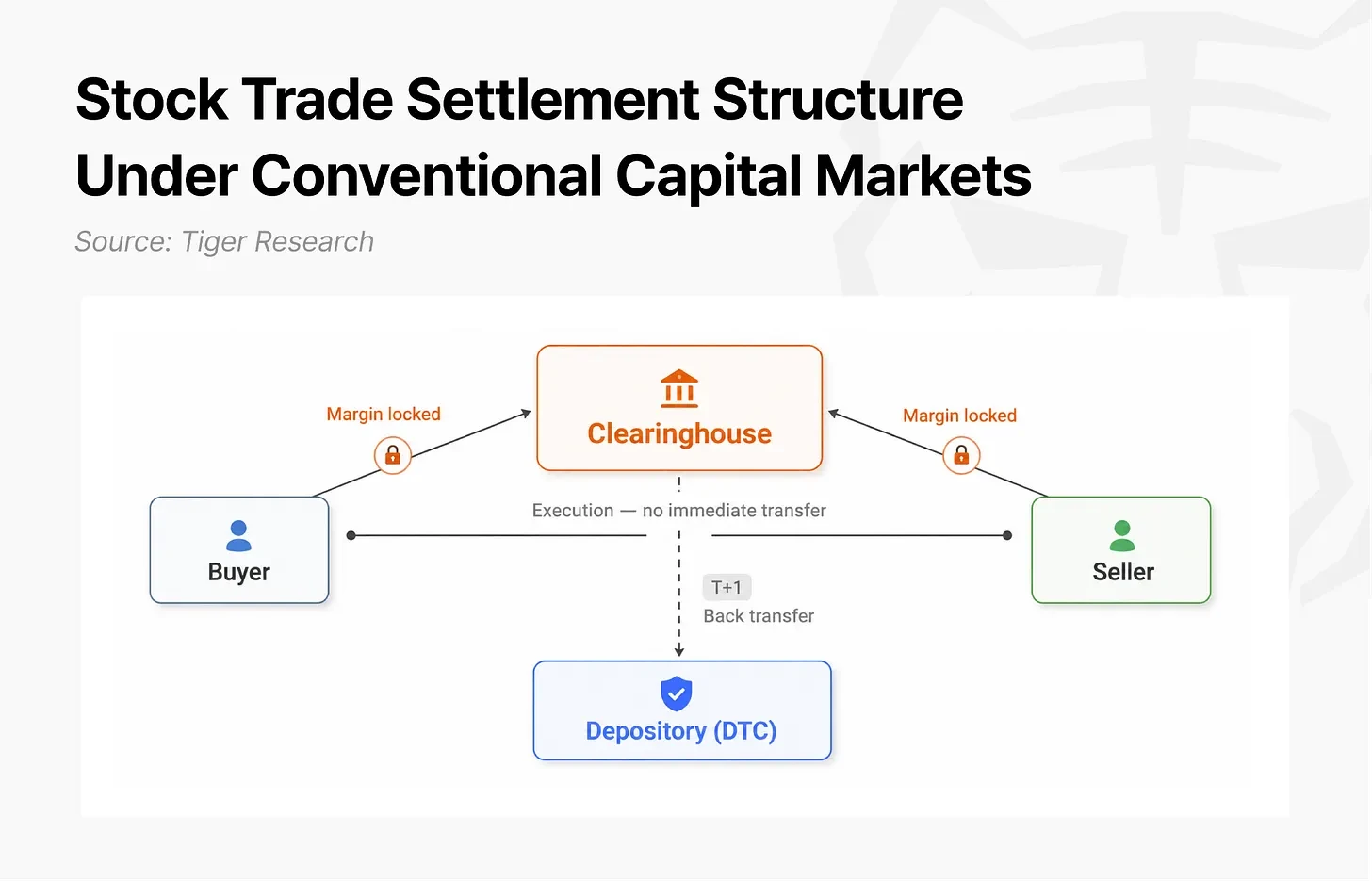
The future that crypto points to after entering the industrial phase is a restructuring of capital markets themselves: Internet Capital Markets (ICM), where asset issuance, trading, and settlement all occur on a single public blockchain. Traditional capital markets operate on pre-internet architecture: buying a stock requires multiple intermediaries (clearinghouses, depositories), and settlement takes T+1 or longer. In ICM, smart contracts take over the clearinghouse role. Atomic settlement (DvP) bundles asset transfer and payment into a single transaction processed in real time. Execution and settlement complete within seconds, eliminating margin requirements and reconciliation.
Institutional Adoption on Solana: Seven Key Case Studies
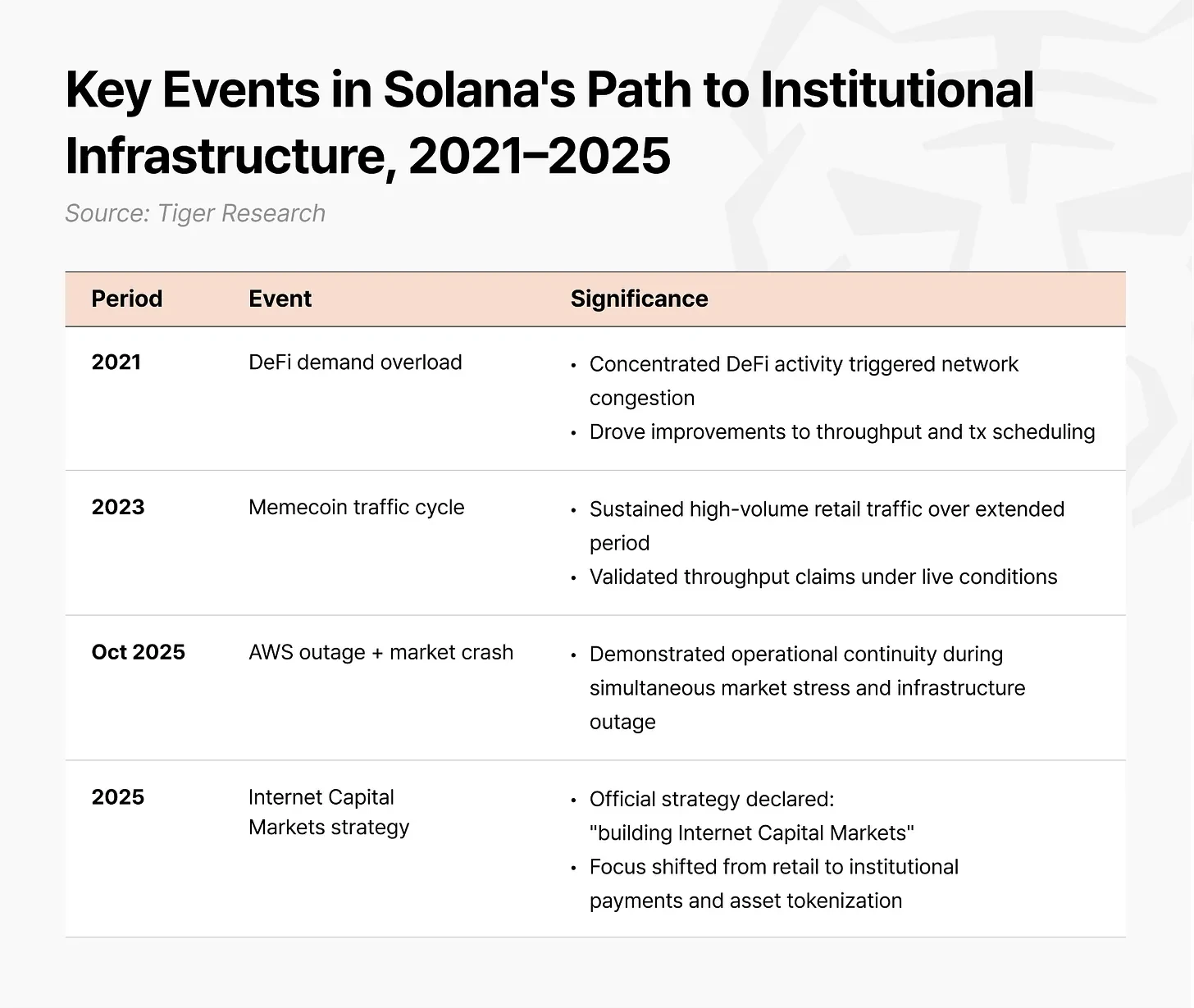
Solana has established 'Building Internet Capital Markets' as its official strategy, launching the Token-2022 standard that embeds freeze, seize, whitelist, and confidential balance functions directly into tokens, achieving protocol-level compliance. Key cases include:
State Street × Galaxy: On-Chain Treasury Management (SWEEP)
Launched May 2026, SWEEP accepts stablecoin or fiat deposits for investment in short-term US Treasuries. Ondo Finance's OUSG fund made a ~$200 million anchor investment, representing ~26% of its TVL.
J.P. Morgan × Galaxy: Commercial Paper Issuance (USCP)
In December 2025, J.P. Morgan arranged a $50 million US commercial paper issuance on Solana, one of the earliest real debt securities transactions on a public blockchain, enabling real-time settlement.
Citi × PwC: Trade Finance Tokenization (Drafts)
Converted traditional drafts into tokenized digital assets, reducing settlement time from days to minutes and eliminating manual reconciliation costs—a strong reference for Asian financial markets.
Western Union: Global Remittance (USDPT)
Issued USDPT, shifting from pre-funded reserve model to real-time on-demand settlement, leveraging Solana's 0.4-second block time for instant finality.
Fiserv: White-Label Stablecoin for Financial Institutions (FIUSD)
Announced FIUSD white-label platform covering ~10,000 financial institution clients and 6 million merchants, processing 90 billion transactions annually.
Orca × Streamex: Compliant RWA Distribution (GLDY)
Launched permissionless AMM infrastructure for gold yield token GLDY, with token-level freeze/unfreeze controls applicable to any regulated asset.
Apollo: Private Credit Tokenization (ACRED)
Issued tokenized tranche fund ACRED, using Solana's sub-$0.001 fees and sub-second speed to enable ~2.5x leverage, amplifying base yield from 7.4% to 12-16%.
Figure Technology: HELOC Liquidity Expansion
Bridged loan rights from its own Provenance chain to Solana via PRIME token, using Kamino lending protocol for up to 9x leverage and Orca for AMM depth.
Infrastructure Diffusion and Network Effects
Banks, payment companies, and asset managers are simultaneously advancing on-chain activities on the same infrastructure. Visa, Worldpay, and YouTube have adopted Solana-based stablecoin settlement; SoFi provides 14.7 million clients direct SOL purchases; Bullish uses Solana stablecoins as primary settlement rails across 50+ jurisdictions and processed $1.15 billion in IPO financing. When issuance, settlement, and touchpoints run on the same network, network effects create a virtuous loop: the more participants, the greater utility for each.
Regulatory Landscape and Remaining Frontier Issues
Areas already under regulatory framework include bank crypto custody (SAB 121 rescinded), digital commodity status, stablecoins (GENIUS Act), tokenized securities (SEC approves Nasdaq pilot, DTCC to launch July, full rollout October), and perpetual futures (CFTC approves Kalshi contract). Unresolved frontiers include public-chain free stock trading (still limited to Reg S/Reg D), DEX AML obligations and order-processing responsibilities, and stablecoin interest payments (GENIUS Act prohibits any yield to holders). The CLARITY Act aims to address these issues comprehensively, but passage probability in 2026 is ~50% or lower. The legislative window from mid-July to early August is effectively the last chance; missing it pushes the timeline into midterm election season.
Strategic Window for Asian Institutions: A Three-Phase Approach
Asian institutions should act as fast followers, adopting US-validated infrastructure and regulatory references. Based on enforceability, three phases exist:
- Executable phase (Singapore MAS, Hong Kong SFC/HKMA, Japan FSA, UAE ADGM/VARA): Clear licensing and market infrastructure in place, immediate commercialization possible (e.g., stablecoin payments, spot ETFs). The risk is delay, not entry.
- Transitional phase (Korea FSC/FSS, Thailand SEC, Malaysia SC, India partial): Policy direction clear but detailed rules pending. Institutions should build structures that can convert upon regulatory confirmation. Korean institutions are in this phase; offshore paths (Singapore, UAE) offer effective alternatives.
- Exploratory phase (Indonesia, Vietnam, Philippines, parts): Legal definitions and classification unclear. Small-scale experiments to build technical and market data, avoiding large resource commitments before clarity.
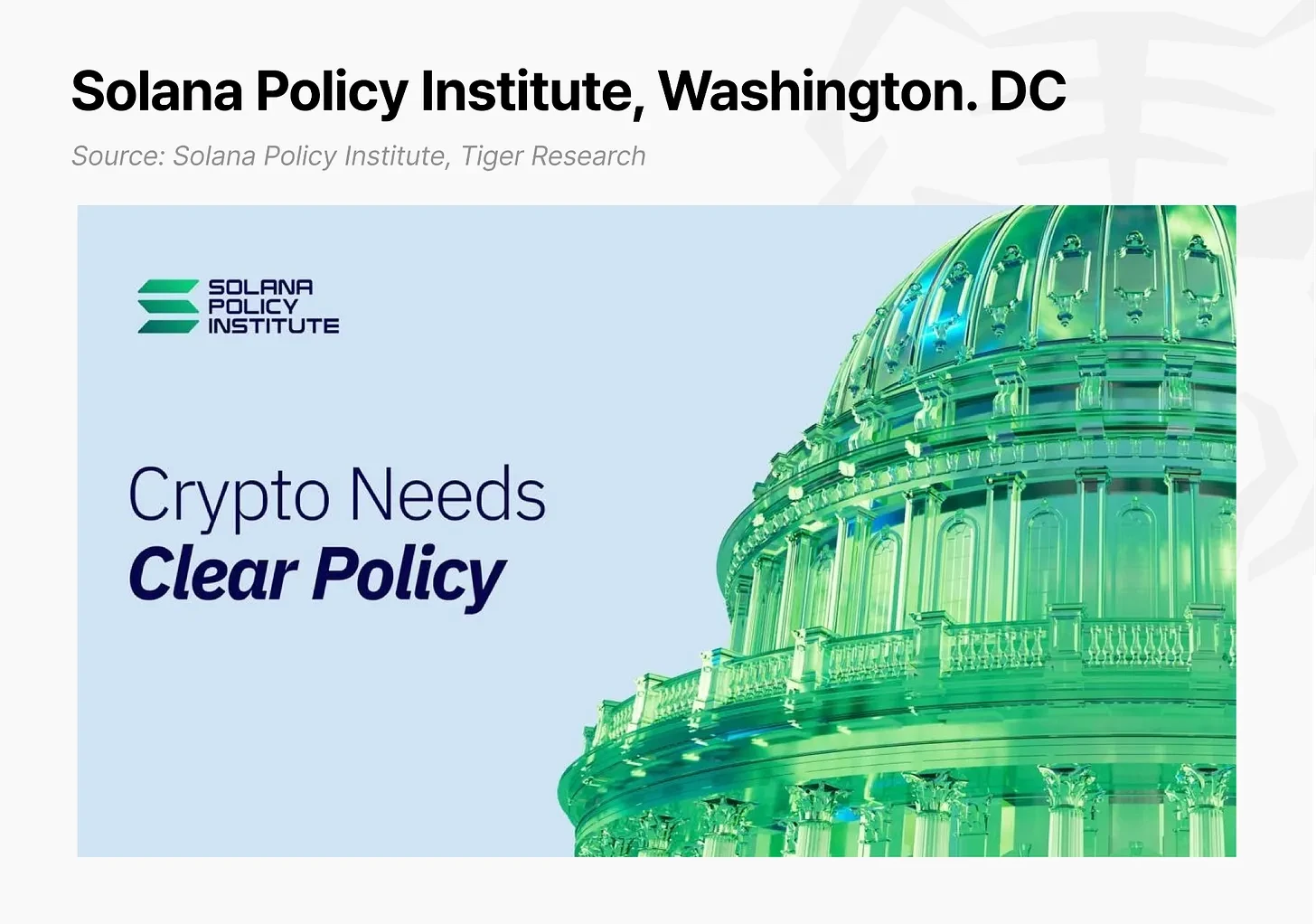
Internet Capital Markets are no longer a concept but an ongoing reality. Global institutions like J.P. Morgan, State Street, and Franklin Templeton have simultaneously chosen Solana, not out of preference but because it meets their technical and structural needs: embedded institutional compliance (Token-2022), proven throughput under extreme conditions, and a complete ecosystem from Washington policy engagement to real-time settlement infrastructure. The variable for Asian institutions is no longer whether to enter, but the order and entry point. The window where validation is complete but standards are not yet solidified is precisely the opportunity for fast followers. How long it remains open is uncertain.