
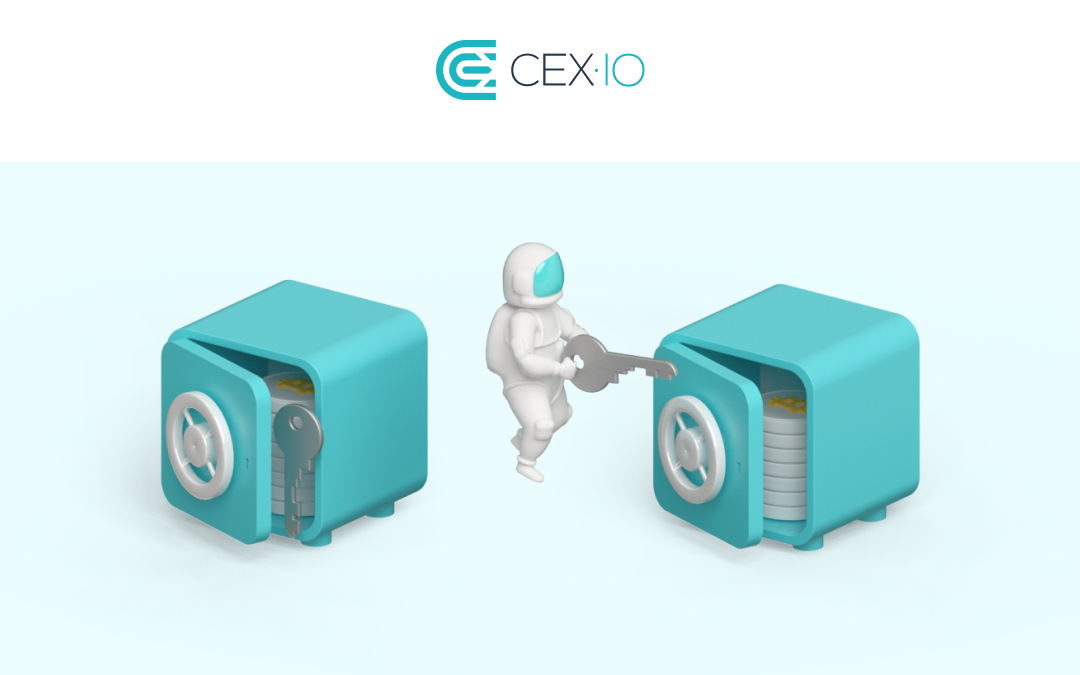
Before diving into crypto staking, users must decide between custodial and non-custodial methods. Neither is inherently superior — the choice hinges on one's tolerance for trust, technical skill, and desired level of control.
Custodial Staking: Simplicity Demands Trust
In custodial staking, a third party — typically a crypto exchange or dedicated staking provider — holds the private keys and handles the entire staking process. The custodian selects validators or runs its own nodes, distributes rewards after the staking period, and charges a service fee. The key appeal is zero friction: users deposit coins and start earning without managing nodes or selecting validators. Some exchanges sweeten the deal with no lock-up periods, allowing instant withdrawals, and letting users trade staked assets or rewards on the same platform. Yet this convenience comes at a steep price: users cede full control of their private keys. They must trust the custodian's security, operational reliability, and fee structure. A single breach or misstep by the custodian could wipe out the staked assets.
Non-Custodial Staking: Autonomy Demands Effort
Non-custodial staking keeps the user in charge of private keys, manifesting in two main forms. Running a full node makes the user a validator directly contributing to blockchain consensus, earning the highest possible rewards and potentially charging delegation fees. But this path requires a substantial token stake (e.g., 32 ETH for Ethereum), deep technical knowledge, constant uptime maintenance, and exposure to slashing penalties for misbehavior or downtime. The alternative — token delegation — lets users assign their coins to existing validators without running infrastructure. Delegators must perform due diligence: validators vary widely in commission rates, track record, and reliability. Poor performers may incur frequent slashing or deliver below-average returns. Thus, delegation shifts the burden from technical operations to continuous research and strategy adjustment.
No One-Size-Fits-All Answer
The custodial vs non-custodial debate ultimately boils down to a trust-convenience trade-off. Custodial stashing is turnkey but requires blind faith in a third party; non-custodial staking preserves sovereignty at the cost of hands-on involvement. Many users adopt hybrid strategies, using custodial services for unfamiliar networks while self-custodying on chains they know well. The right choice depends on individual risk appetite, technical comfort, and the time they can commit to active management.