
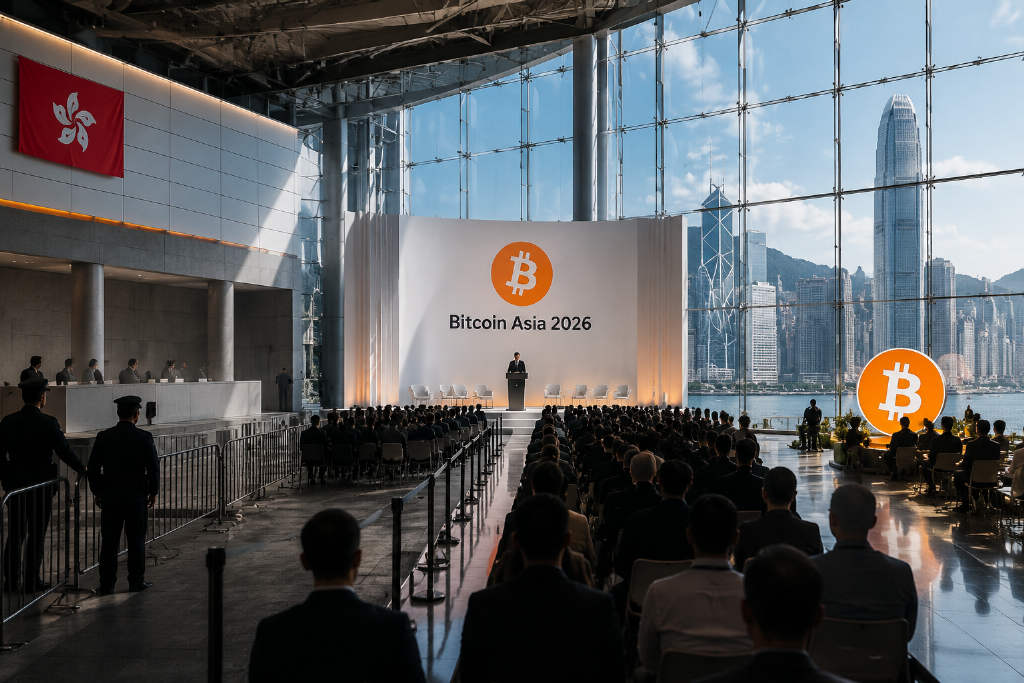
According to ChainCatcher, Changpeng Zhao said at the Bitcoin Asia 2026 conference in Hong Kong that Bitcoin itself does not weaken or strengthen government power. What matters, he said, is the choice made by governments.
Zhao said history has at times shown better economic performance under weaker governments. He cited the United States as an example, saying the U.S. government is relatively weak but still produced one of the world’s strongest economies. He also said the crypto industry grew after the current chair of the U.S. Securities and Exchange Commission, or SEC, gave up part of the agency’s regulatory power. By contrast, he said former SEC chair Gary Gensler tried to control everything and ended up restraining industry growth.
Zhao said Bitcoin, as a decentralized technology, gives individuals more sovereignty. At the same time, he said Bitcoin’s privacy design has shortcomings and that on-chain transactions are easy to track, leaving governments with the option of whether to make use of those features.
He added that declaring Bitcoin ownership illegal or imposing a 36% tax on every transaction would kill industry development. Governments may appear powerful, he said, but taxing zero still yields zero, while applying a 6% tax to a trillion-dollar market would bring in substantial revenue.
Zhao also said that most governments now pay relatively close attention to Bitcoin, but many countries still lack a crypto regulatory framework. Among government officials, he said, those who truly understand Bitcoin remain a minority. In some countries, older generations remain dominant in policymaking, which has contributed to a more conservative stance.
Still, Zhao said he does feel that a shift is underway, even though some people continue to hold the view that Bitcoin is mainly used by drug traffickers.