Market Cycles and Bottom Analysis: CZ's Cyclical Framework
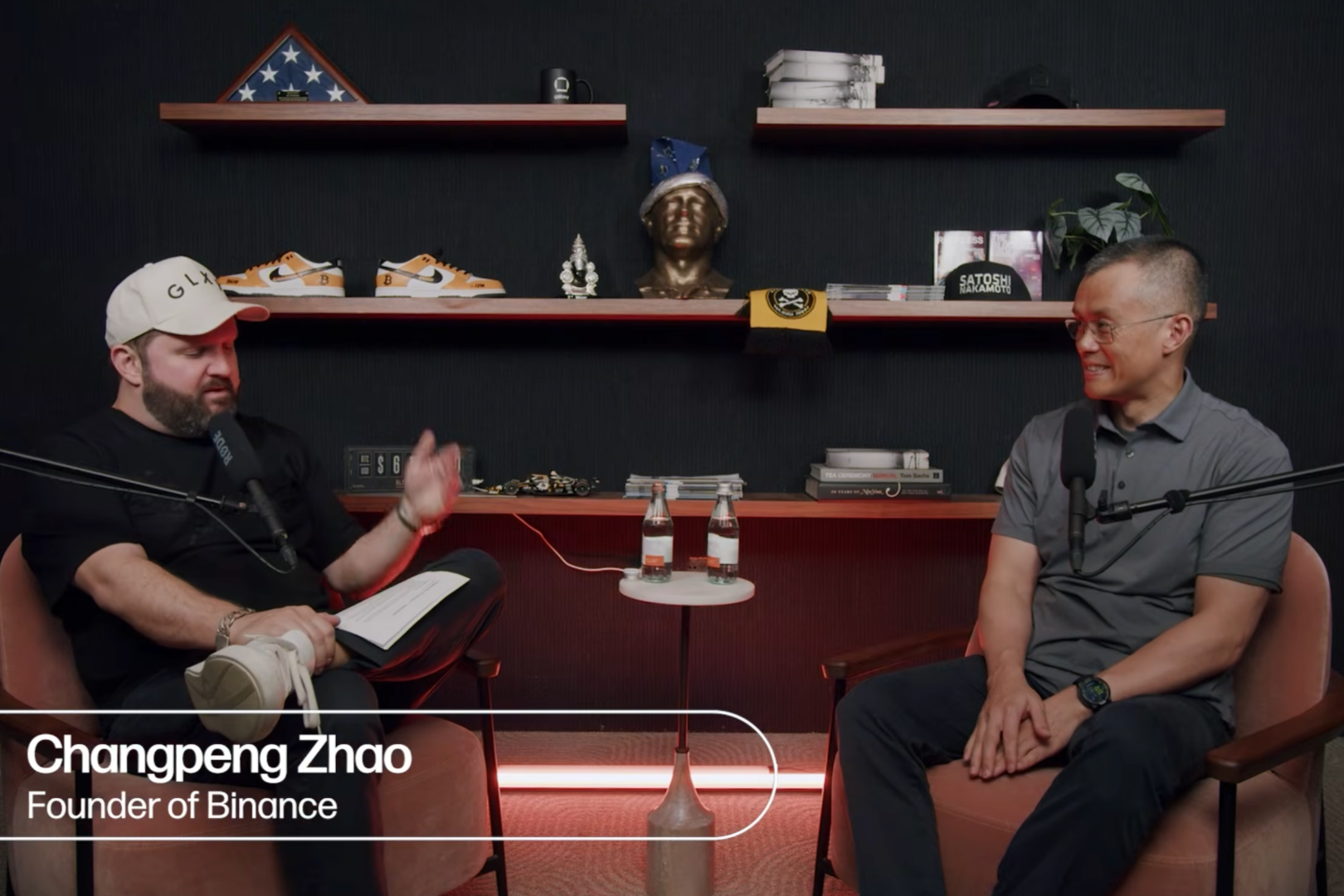
CZ believes the four-year crypto cycle remains valid. The current drawdown of ~50% is mild compared to previous 80% crashes, such as the 2022 lows triggered by Luna and FTX collapses, when Bitcoin bottomed at $16,000. Today prices are 4-5x higher, and each cycle begins from a higher base. He points out that in technical analysis, previous highs (e.g., $60,000 from 4-5 years ago) often become the next low support. This cycle features unprecedented state-level backing (e.g., US ETFs, BlackRock), global regulatory discourse, more stablecoin issuance, and RWA tokenization (e.g., buying SPCX/preIPO tokens on Binance). CZ refrains from specific price predictions but notes the industry has better leverage control compared to prior cycles — no major institutions have come close to bankruptcy in the past six months, and high-leverage products remain small relative to overall market size.

Convergence of Crypto and Traditional Finance: An Inevitable Fintech Union
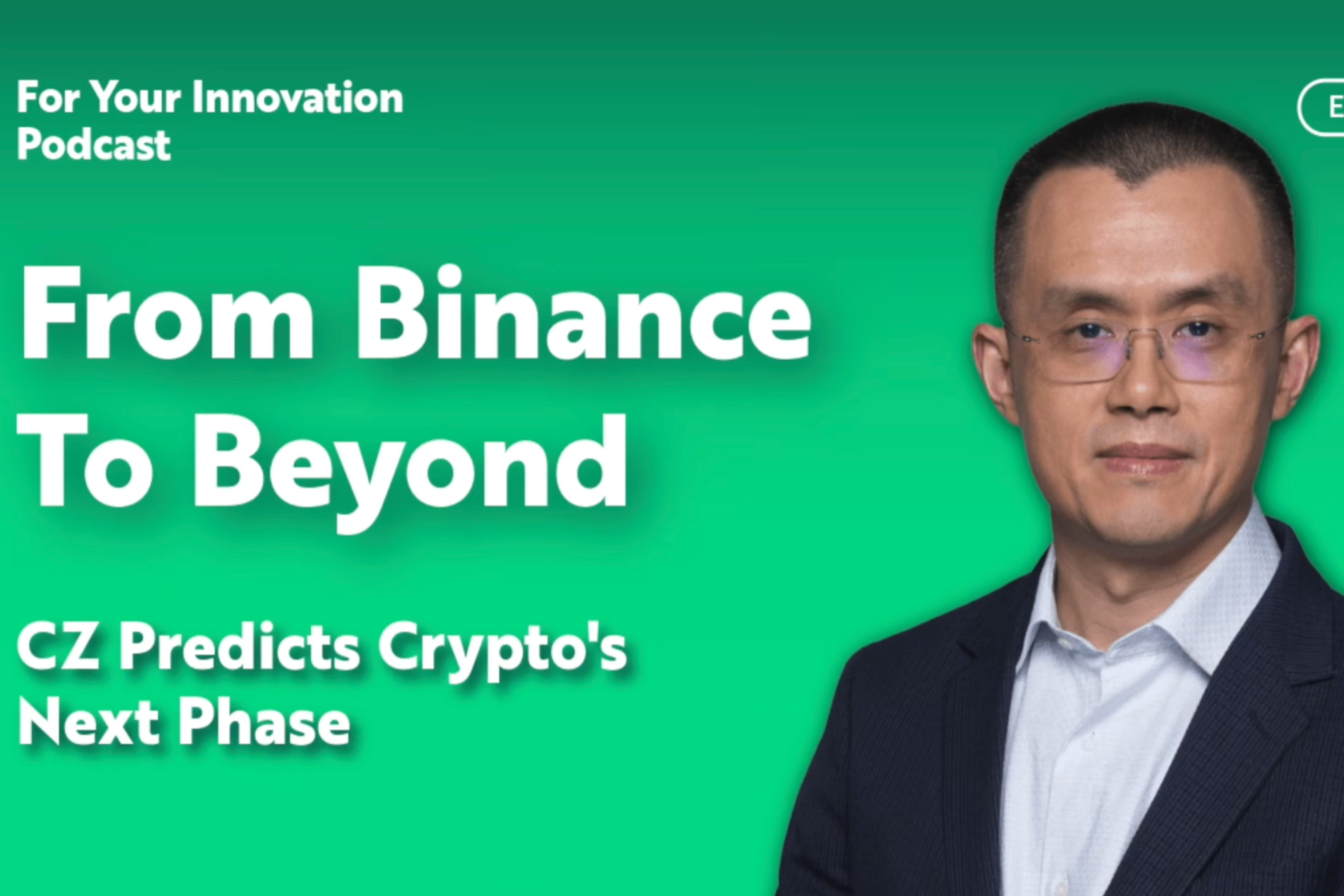
CZ argues crypto is not a standalone industry but a new technology enabling faster, cheaper, and transparent financial transactions. Traditional financial firms can adopt blockchain, and crypto companies can offer lending, savings, stock trading, and payment services including fiat rails. He predicts forex trading will eventually move on-chain. Regarding derivatives, BitMEX pioneered perpetual futures in 2014; Binance launched in 2019, and now CME and other traditional exchanges offer crypto futures, improving overall liquidity and consumer protection. On L1 vs L2 debate, CZ observes that Vitalik has recognized L2s do not help L1, and Ethereum's price decline pushed him back to enhancing L1. He notes BASE pays more in OP licensing fees than its actual L1 gas costs, and predicts a cyclical return of L1 and L2 solutions.

Centralization vs Decentralization: Coexistence in One Ecosystem
CZ believes any platform with multiple participants is inherently centralized to some degree, but technology trends toward decentralization. Centralized players can provide low-cost, secure services, creating network effects that lead to temporary monopolies, but those abusing power eventually lose market share. Thus centralization and decentralization will coexist forever, with CZ firmly supporting the decentralized direction. He clarifies that true decentralization does not mean everyone must use Bitcoin or a single blockchain; decentralized worlds should accommodate centralized participants. Users ultimately care about low fees, security, and usability. Many nations desire their own "national blockchains," which he views as a transitional phase.

Hyperliquid and Prediction Markets: Disruptors in New Niches
CZ praised Hyperliquid for occupying a niche Binance cannot serve: no KYC, smart-contract-based deposits/withdrawals, and a small team delivering significant innovation, though he stopped short of endorsing its decentralization claim. For prediction markets, he supports Polymarket and Kalshi, which have US licenses and support from CFTC chair and officials, providing price discovery and liquidity. Despite opposition from some states, he views them as positive for consumers and the industry, predicting 100-1,000 such platforms in the future, hoping all operate responsibly.

Investment Philosophy: 70% Crypto, 20% AI, 10% Biotech
CZ disclosed Yzi Labs' allocation guideline: 70% crypto, 20% AI, 10% biotech, prioritizing impact over financial return. He cited examples: investing billions in a cheap cure for common diseases like cancer, even if it loses money, because it saves millions of lives. Specific bets include an "artificial womb" (machines to gestate babies, tested on mice, 5-10 years from human) and a knee cartilage regeneration technology using 3D-printed scaffolds (early human trials). On AI, CZ uses multiple models — OpenAI, Anthropic's Claude (good for coding), Deepseek, Kimi — noting US models are more precise while Chinese ones are decent but less comprehensive. He warns AI could destroy civilization if misused, unlike crypto, and that AI regulation is more difficult and critical than crypto regulation. He concludes that crypto will not die; hot money flowing into AI still ultimately circulates on blockchains, as AI needs blockchain-based payment systems that traditional finance cannot provide.