Market Cycles and Bottom Prediction: Each Cycle's Floor Rises
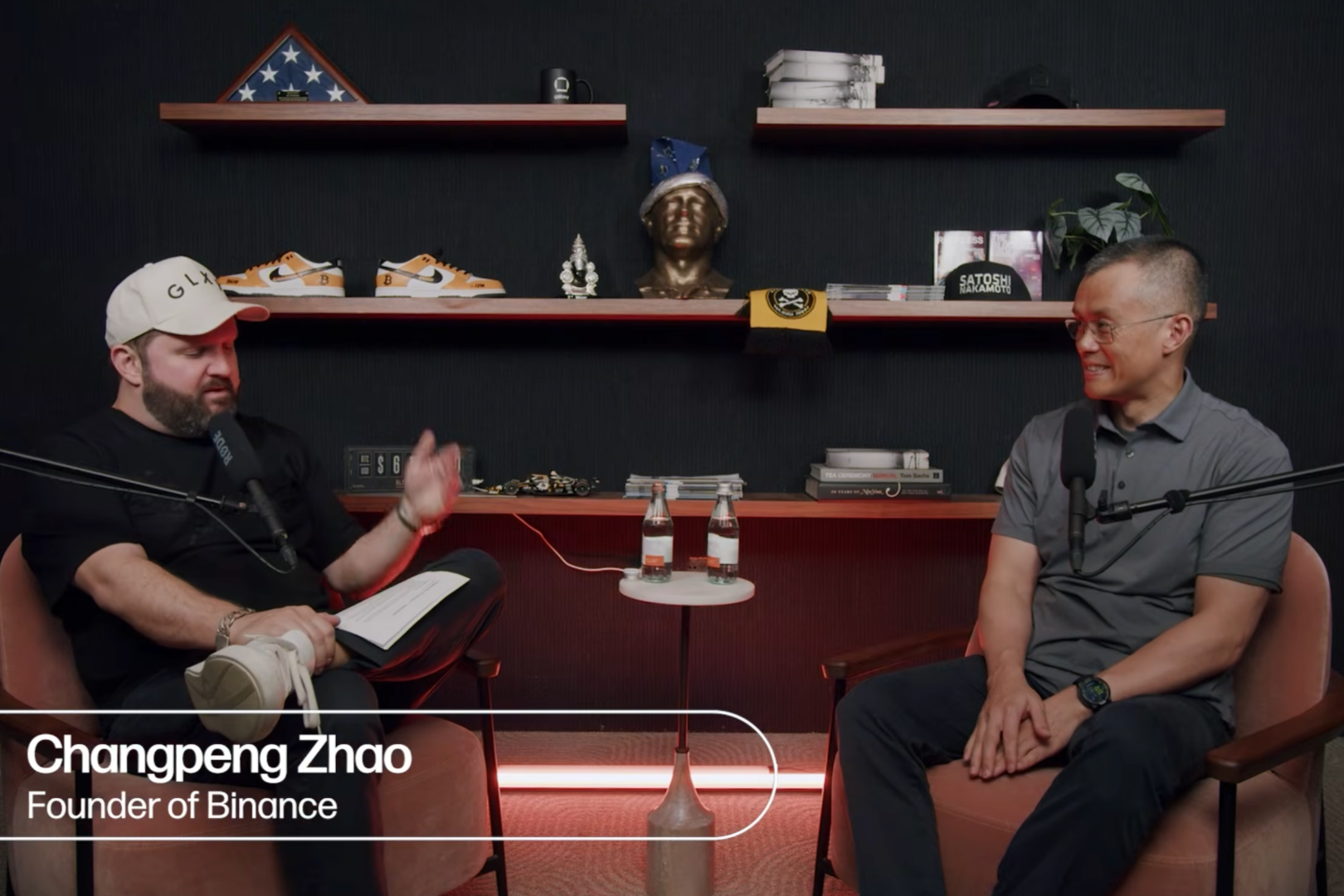
In a recent interview with Galaxy, Binance founder CZ shared his insights on the crypto market cycle. He believes the four-year cycle pattern remains valid, with current prices down about 50% from highs, while historical cycles have seen drawdowns of up to 80%. He cited the 2022 collapse of LUNA and FTX, when Bitcoin bottomed at $16,000, noting that today's prices are 4-5 times higher. Unlike previous cycles, CZ highlighted that now countries are supporting Bitcoin, institutions like BlackRock are entering, and BNB ETF listings have occurred. He emphasized that each cycle starts from a higher base, forming a rising bottom pattern. He declined to predict the exact bottom or duration, but pointed out that in technical analysis, previous highs (e.g., $60,000 from 4-5 years ago) often become support for the next low.
Integration of TradFi and Crypto: No Pure Crypto Industry
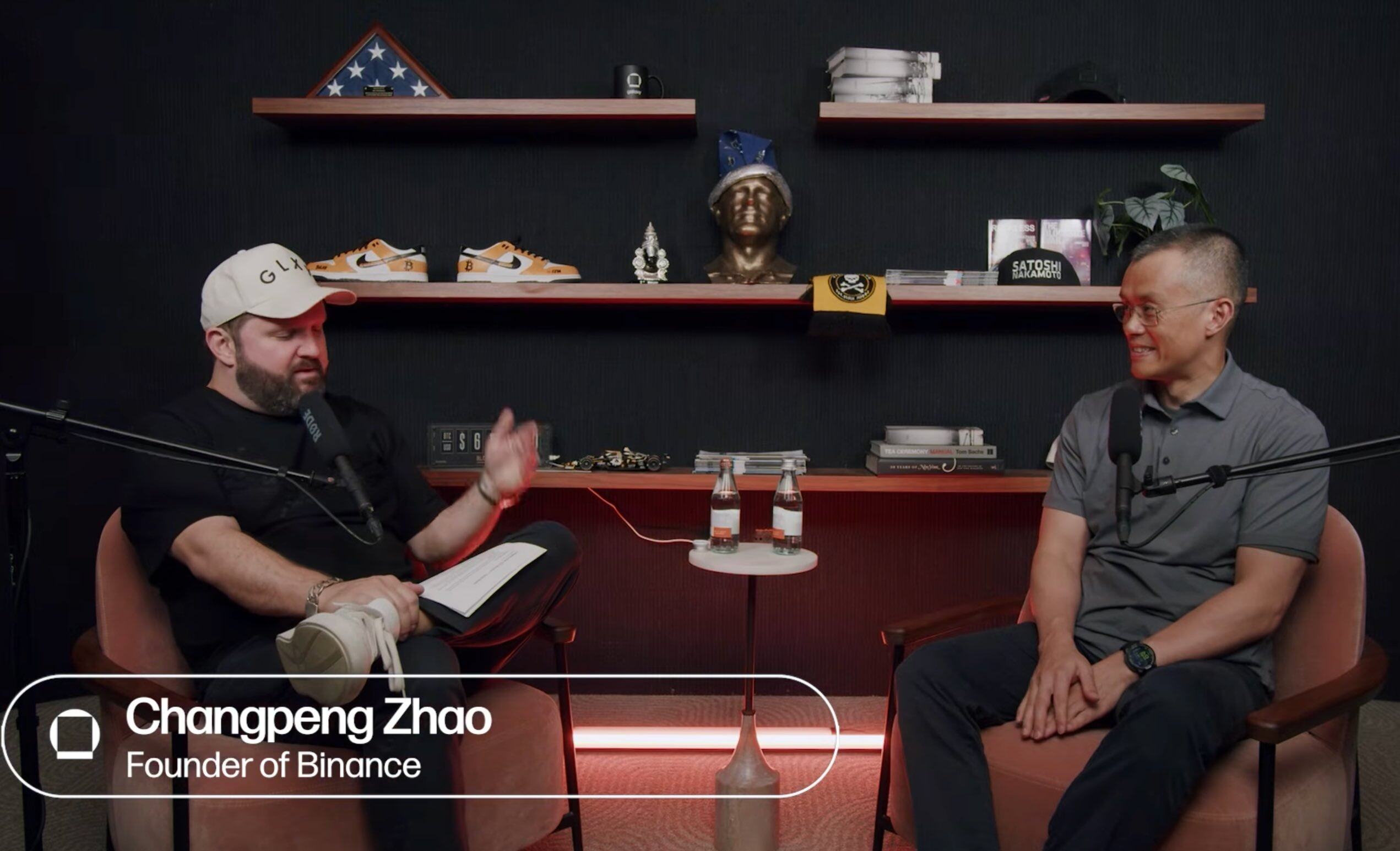
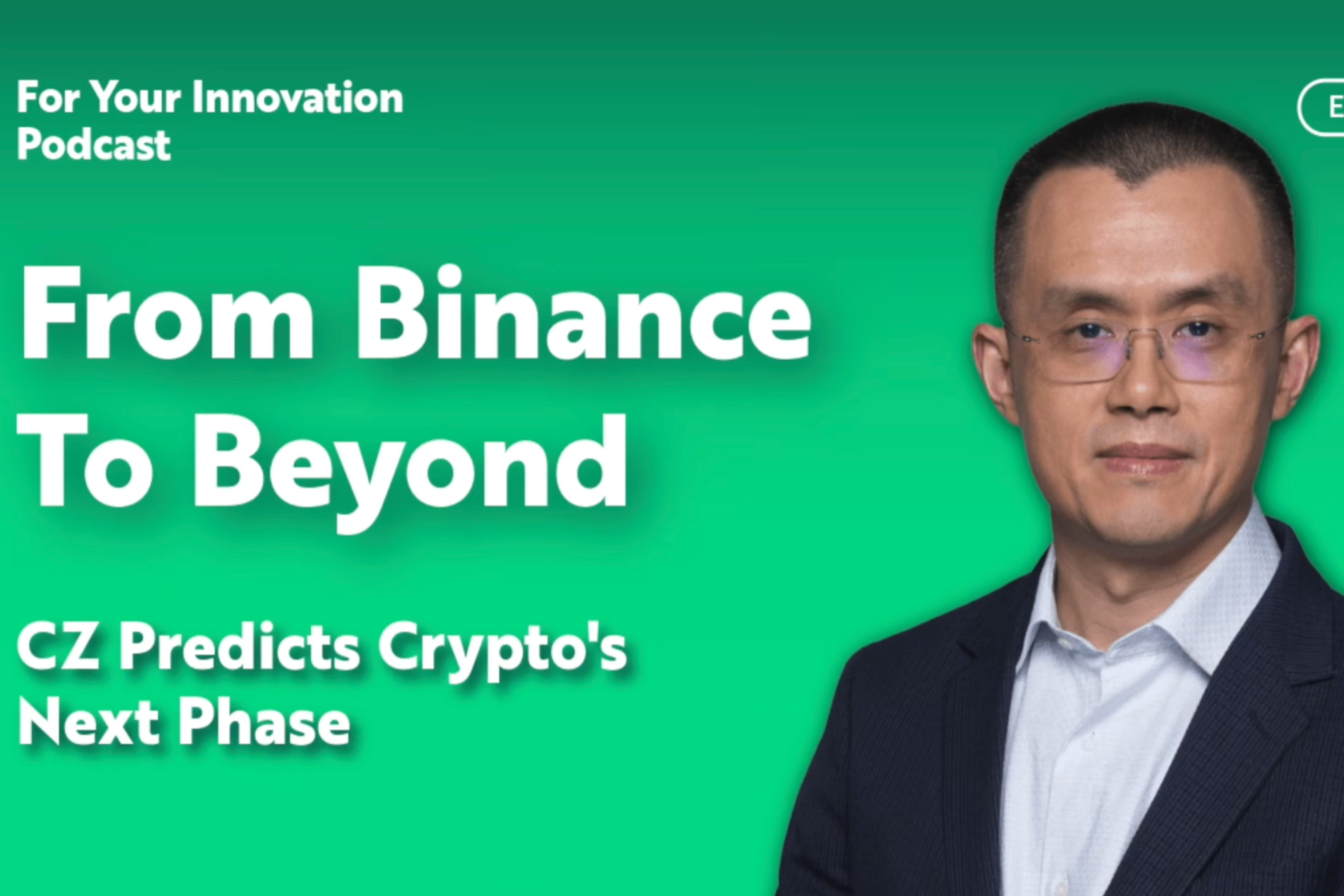
CZ argued that cryptocurrency is not a standalone industry but a new technological tool enabling fast, low-cost, transparent financial transactions. He predicts that soon there will be no purely 'crypto companies', just as there are no purely 'internet companies' today. Traditional financial institutions can adopt blockchain, while crypto firms can offer loans, savings, stock trading, and more — the two will inevitably merge. On centralization vs. decentralization, he noted that every platform, team, or project with multiple participants has some degree of centralization. However, technology is pushing toward greater decentralization, and both will coexist. He emphasized that the spirit of decentralization is allowing anyone to build their own chain — not forcing everyone to use ETH or BNB — and diversity benefits users.
Perpetual Swaps, Hyperliquid, and Prediction Markets
CZ noted that perpetual futures were not invented in crypto (BitMEX launched them in 2014), but Binance only offered them in 2019. He welcomed traditional giants like CME entering crypto futures, as they serve a different user base (U.S. institutions) and increase overall liquidity, which is the best protection for consumers. He predicted that foreign exchange trading will also migrate to blockchain. Commenting on Hyperliquid, CZ called it an interesting project that created a new market niche — no KYC, claiming decentralization — a space where Binance cannot compete despite its small team. Regarding prediction markets like Polymarket, he praised them as a great invention for price discovery and liquidity, noting that the CFTC chairman and many U.S. officials have expressed support. He expects 100 to 1,000 similar prediction market projects to emerge.

Tech Upgrades and the L1 vs. L2 Debate: The Future Belongs to L1
CZ advised projects to perform major upgrades during bear markets, not bull runs. He expressed excitement about the next version of BNB Chain, which promises higher speed, lower costs, and better privacy controls. He criticized Ethereum's L2 strategy, pointing out that BASE pays more in licensing fees for OP technology than it spends on L1 fees. He believes Vitalik has realized L2s don't help L1, hence the renewed focus on L1 improvements. CZ argued that eventually L1 will dominate, though as L1 speeds increase, demand may outpace scaling, leading to a cyclical return of L2-like solutions.

YZI Investment Philosophy: 70% Crypto, 20% AI, 10% Biotech
CZ disclosed that his investment arm YZI follows a rough allocation: ~70% in crypto projects, ~20% in AI, and ~10% in biotech. He prioritizes 'impact' over pure returns: even investing $1 billion in a company that cures a common disease cheaply, resulting in a total loss, would make him happy. He revealed two specific biotech investments: a company developing artificial wombs (able to gestate fetuses in machines, currently tested on mice, 5-10 years from human use) and a knee cartilage regeneration technology using 3D-printed scaffolds to stimulate growth, already in early human clinical trials. YZI also invests in AI robotics, but biotech excites him the most.

AI Usage, Regulation, and Risk: Crypto Safe, AI May Destroy Civilization
CZ personally uses multiple AI tools (OpenAI, Claude, Deepseek, Kimi), noting that U.S. LLMs are more precise while Chinese models are good but sometimes less comprehensive. He expressed concern about the AI arms race: AI can hack computers, conceive nuclear weapons, and regulation is extremely difficult. In contrast, crypto cannot destroy civilization. He sees AI and crypto as complementary — AI cannot use traditional payment systems (requiring 2FA, KYC), but blockchain is API-driven and naturally suited for AI agents. Future AI agents will need blockchain for payments and transactions. CZ dismissed concerns that crypto will lose capital to AI; the money flowing into AI will eventually flow through blockchains, and crypto will become the financial infrastructure for the AI era.