
Market Cycles and Bottoms: Rising Floors, Controlled Leverage
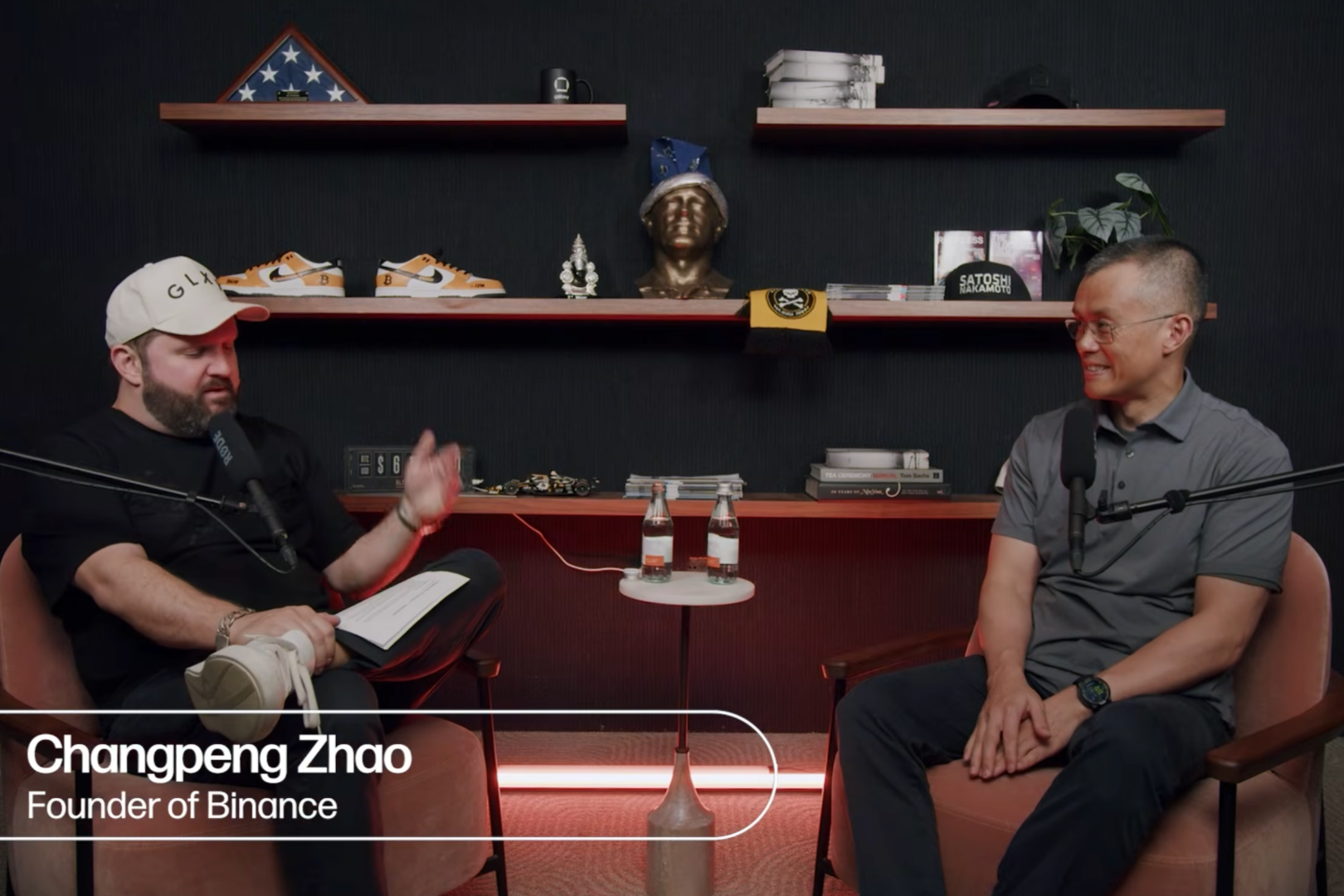
CZ affirmed that the four-year crypto cycle pattern remains valid. Current price drawdown of ~50% is far less than the historical 80% drop seen in 2022 after LUNA and FTX collapses (Bitcoin hit $16,000). Prices are now 4–5x higher than that trough, and each cycle starts from a higher base. New features include national support for Bitcoin, global regulatory discussions, institutional adoption (BlackRock), BNB ETF listings, increased developer activity, and more stablecoin issuance. RWA tokenization is also growing. On leverage risk, CZ noted that no institution has disclosed near-bankruptcy in the past six months; the industry generally manages leverage better, with few highly leveraged products remaining.
Traditional Finance and Crypto Convergence: Inevitable, with Centralization and Decentralization Coexisting
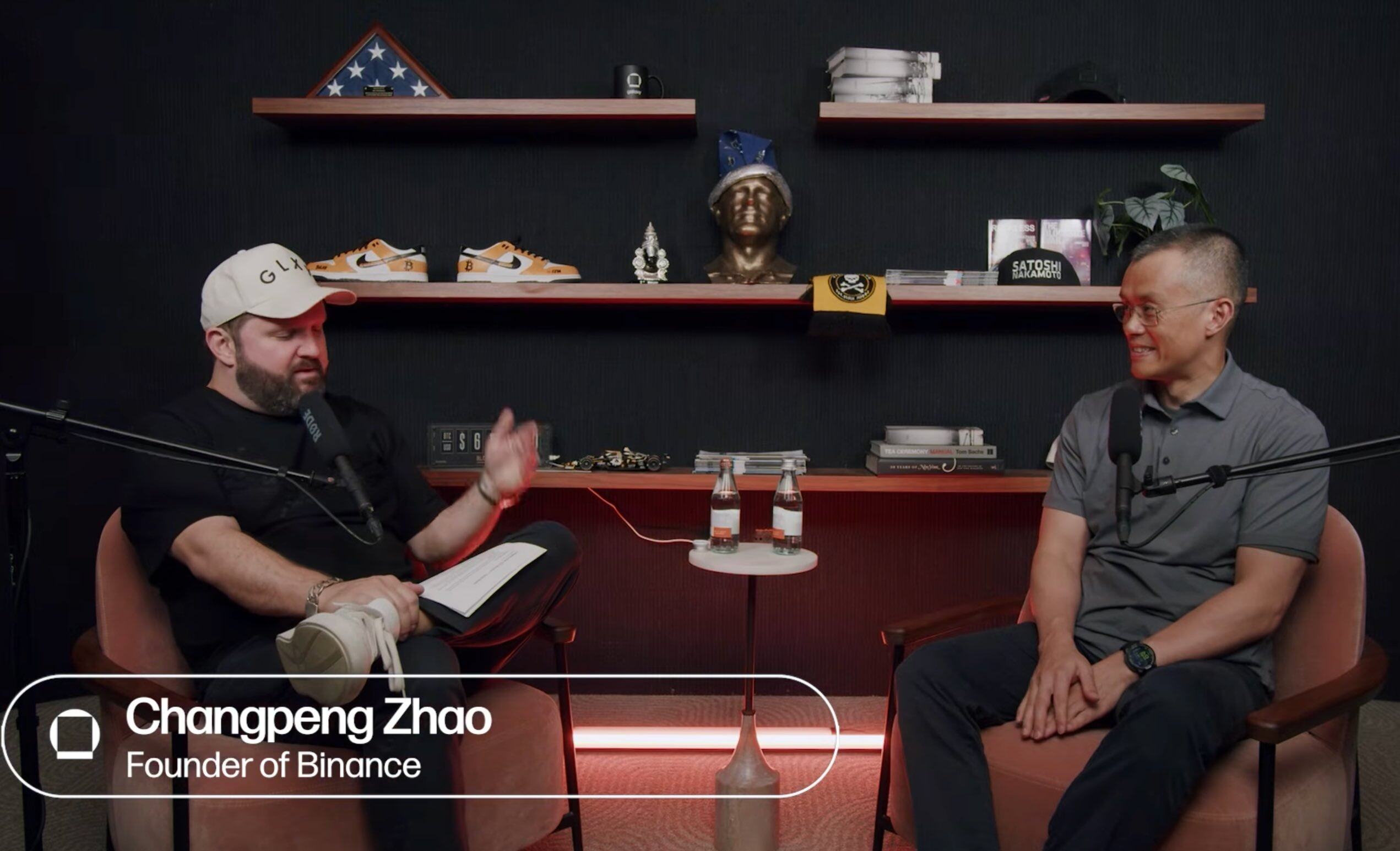
CZ emphasized that crypto is not a standalone industry but a new technology enabling faster, cheaper, transparent financial transactions. Traditional financial firms can use blockchain, and crypto companies offer lending, savings, stock trading, payments, and fiat on/off ramps. Convergence is inevitable, forming a unified fintech sector. Regarding centralization vs. decentralization, CZ argued that any platform or company is inherently centralized, but technology drives decentralization over time. Centralized players that provide low-cost, secure services can attract users via network effects, but those that abuse monopoly power will lose market share. Both will coexist, but CZ is a strong advocate for decentralization.
Derivatives and Liquidity: CME Entry Welcome; More Liquidity = Safer Consumers
CZ traced the history of crypto derivatives: perpetual futures were introduced by BitMEX in 2014, and Binance launched in 2019. With the largest user base, Binance offers best liquidity, pricing, and slippage. CME's entry into crypto futures is positive because it serves institutional clients that Binance does not (due to US regulatory restrictions). Increased liquidity reduces crash risk and is the best protection for consumers. CZ predicted that forex trading will eventually migrate to blockchain.
Hyperliquid and Prediction Markets: Innovation Fills Gaps; Polymarket Gains Political Backing
CZ praised Hyperliquid for carving out a niche Binance cannot compete in: no KYC, claimed decentralization (though with strong control), and technological innovations. For prediction markets, CZ noted that Polymarket and Kalshi provide price discovery and liquidity. The CFTC chair and key US government figures support prediction markets, despite some state-level disputes. Hundreds of prediction market projects may emerge; they must execute responsibly.

Technical Development Advice: Upgrade in Bear Markets; L1 Remains Core
CZ advised all blockchain projects to perform major upgrades during bear markets to avoid distraction. BNB Chain is developing a next version with faster speed, lower costs, and better privacy controls. He observed that Vitalik initially prioritized L2, but has realized L1 development is necessary; L2 fees (e.g., OP license fees) can exceed L1 costs. Strong L2 solutions exist, but CZ believes L1 will return as speeds increase, leading to renewed L2 demand in a cyclical pattern.

Yzi Lab Investment Strategy: 70% Crypto, 20% AI, 10% Biotech; Impact Over Returns
CZ disclosed Yzi Lab’s allocation: roughly 70% crypto, 20% AI, 10% biotech. The goal is 'impact' not financial returns. Even a $1 billion investment in a cheap cancer cure that saves millions but yields no profit would be worthwhile. Yzi Lab has invested in multiple crypto companies (names withheld to avoid promotion) and two biotech firms: an 'artificial womb' project that enables birth in a machine (mouse trials completed; human trials expected in 5–10 years), and a knee cartilage regeneration technology using 3D-printed scaffolds (early human clinical trials underway). CZ said biotech is the most exciting category.

AI Opportunities and Risks: US vs. China Differences; Need for Careful Regulation
CZ uses nearly all major AI apps: OpenAI, Anthropic/Claude (better for coding), DeepSeek, Kimi (for regions where US AI is blocked). He finds US LLMs more precise; Chinese models are good but less comprehensive. An AI race exists between nations (China building chips and data centers; US accelerating). Competition drives growth, but AI's power—capable of hacking computers or designing nuclear weapons—requires cautious regulation. Regulation should promote safe use, not stifle innovation. Unlike crypto, AI could potentially destroy civilization, so deep governance is essential.

Future of Crypto: Not Dying; AI Will Drive On-Chain Transactions
CZ firmly believes crypto will not die; it will become a massive industry. Hot money currently flows to AI, but AI stocks are traded via crypto, and AI agents will need blockchain payments (AI cannot use credit cards or KYC). Blockchain is API-driven and AI-friendly. The future financial system will be built by AI, blockchain, and the internet. Even if money flows to AI, it will ultimately settle on blockchain.