Market Cycle & Bottom Prediction: Higher Lows, Better Leverage Control
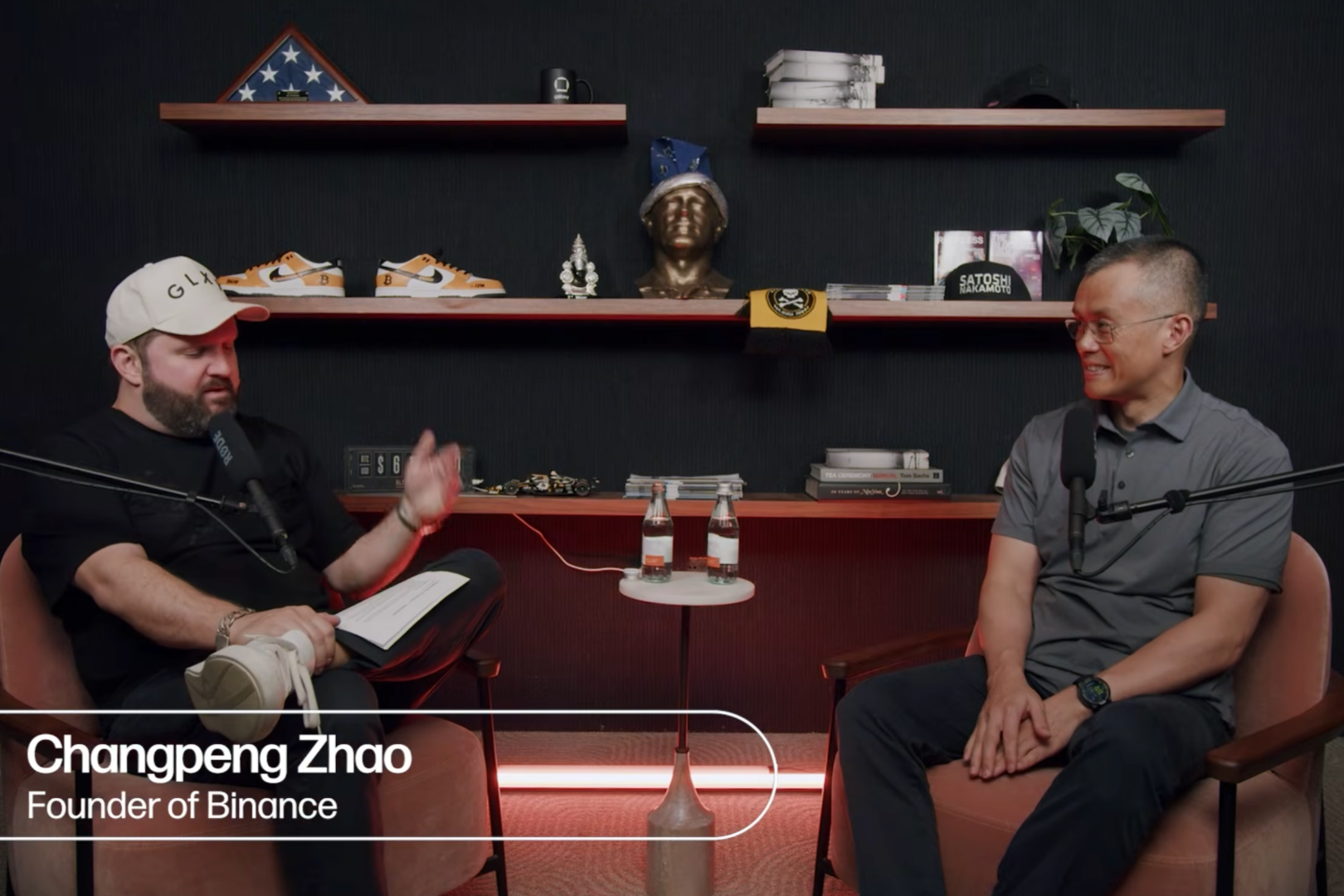
Regarding the current ~50% price drawdown, CZ considers it a normal cycle. In 2022, after LUNA's collapse and FTX's bankruptcy, Bitcoin bottomed at $16,000; now prices are 4–5x higher, with each cycle's trough rising. He noted that previous cycle highs become technical support for the next low—e.g., the $60,000 level from 4–5 years ago now acts as support. This cycle features sovereign adoption of Bitcoin, institutional involvement (BlackRock), BNB ETF listings, more stablecoins issued by various countries, and RWA tokens like SPCX/preIPO available on Binance. CZ emphasized that leverage products (e.g., certain high-yield stablecoin loops) are relatively small against the industry size, and no institution has disclosed near-bankruptcy in the past six months—risk management is markedly improved.
Convergence of TradFi & Crypto: Centralization & Decentralization Coexist
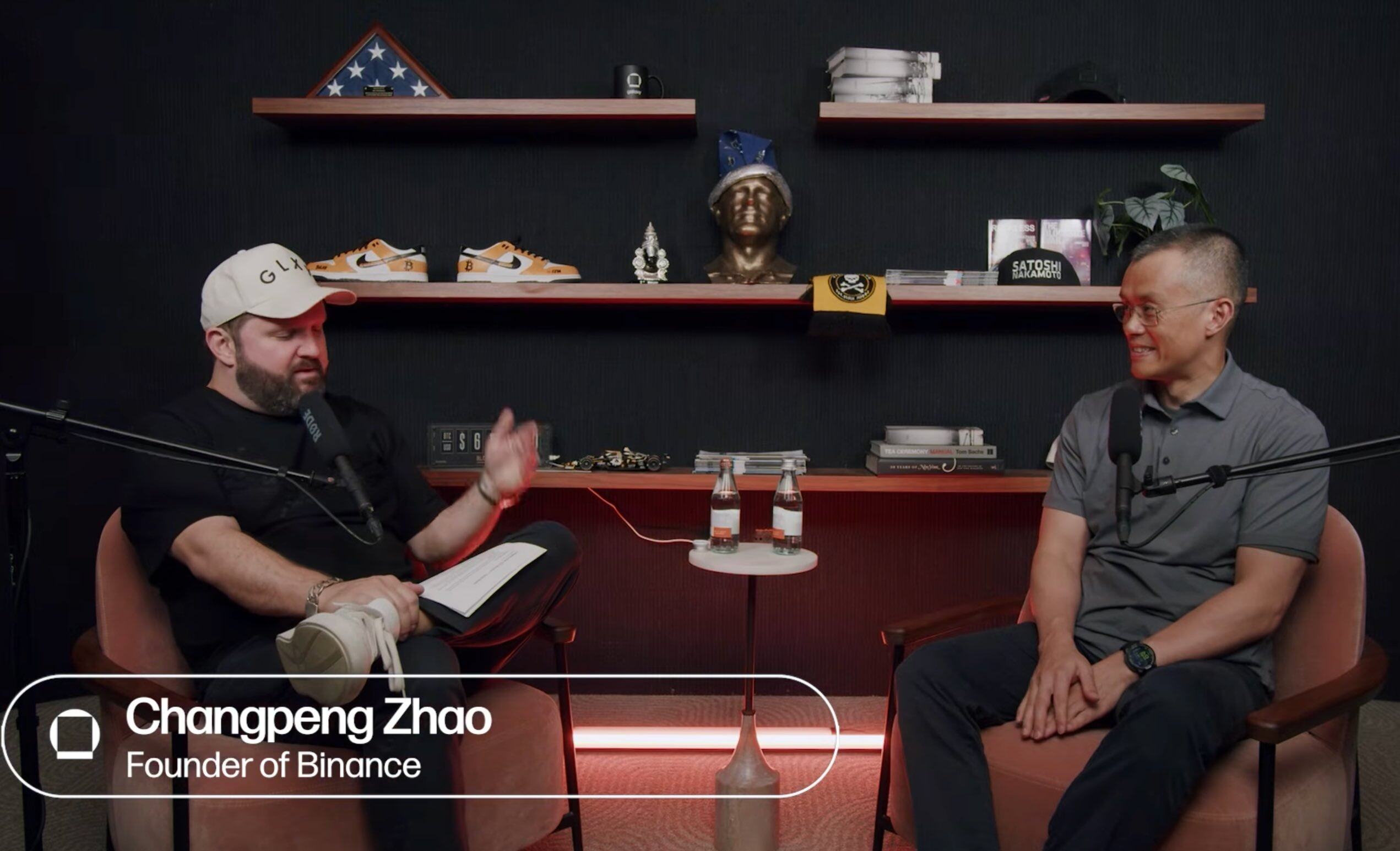
CZ sees crypto not as an isolated industry but as a new tech tool enabling fast, low-cost, transparent transactions. Traditional financial firms can build their own chains (mostly open-source), and crypto companies can offer lending, savings, stock trading, etc. Convergence is inevitable. He rejects a binary opposition: any platform with a team is centralized, yet technology pushes toward decentralization. Centralized players can provide high-quality, secure services at low cost, generating network effects; those abusing monopoly power lose market share over time. Both will coexist, but CZ firmly supports decentralization—users care about low cost, security, ease of use, not pure centralization vs. decentralization. Regarding state-controlled blockchains, CZ views this as a transitional phase; if Wall Street giants use private blockchains hosting trillions, retail may be excluded but that outcome is not necessarily bad.
Hyperliquid & Prediction Markets: Niche Innovation & Price Discovery
CZ praised Hyperliquid for proving a niche Binance cannot compete in: no KYC, claiming decentralization via smart contract deposit/withdrawal, lean team, and technical innovation. He also endorsed prediction markets like Polymarket and Kalshi, noting the CFTC chairman's supportive tone and backing from U.S. officials. Prediction markets are good for price discovery and liquidity; there may be 100–1,000 such projects in the future. CZ hopes all execute responsibly, but believes that well-run platforms benefit the global crypto industry.

BNB Chain Upgrades & L2-L1 Dynamics: Upgrade in Bear Market, L1 Future
CZ advises all blockchain projects to perform major upgrades during bear markets, not bull runs. BNB Chain's next version will be faster, cheaper, and offer more privacy controls. On Ethereum's L2 strategy, CZ observed that Vitalik seems to realize L2 does not help L1, and has shifted focus back to L1 after ETH's price decline. He noted that Base pays more in licensing fees for OP tech than actual L1 fees. CZ believes the future belongs to L1; although strong L2s exist, L1 speed will increase, demand will grow, and a new L1-L2 cycle may emerge.

Yzi Labs Portfolio: 70% Crypto, 20% AI, 10% Biotech – Artificial Womb & Knee Cartilage Regeneration
CZ revealed Yzi Labs' investment guidelines: 70% crypto, 20% AI, 10% biotech. The philosophy is to pursue impact, not financial returns—e.g., investing $1 billion in a cheap cancer cure that saves millions even if the company makes no profit. Investments include an artificial womb startup (tested on rats, human use in 5–10 years) and a knee cartilage regeneration technique using 3D-printed scaffolds inserted into the knee to stimulate cartilage growth (now in human clinical trials). Many AI robotics projects are also funded, but CZ is most excited about biotech.
AI Opportunities & Risks: Could Destroy Civilization, But Crypto Will Not Die
CZ uses virtually every mobile AI app—OpenAI, Claude (better for coding), Deepseek (for travel in Hong Kong)—and finds US models more precise, Chinese models decent but less comprehensive. He warns that AI development needs cautious regulation, as it can hack computers, design nuclear weapons, and potentially destroy civilization if mishandled. In contrast, crypto cannot destroy civilization and actually facilitates global trade. Hot money is flowing into AI, but people are trading AI stocks with crypto, so AI contributes to crypto volume. CZ emphasizes that the financial system needs upgrading; blockchain is API-driven and AI-friendly (AI cannot swipe credit cards or do KYC, but can call blockchain APIs). To those worried that all money will flow to AI, CZ responds: money will flow there, but that's fine—the entire financial system will eventually run on blockchain. Crypto will not die; it will become a massive industry, even stronger than before.