
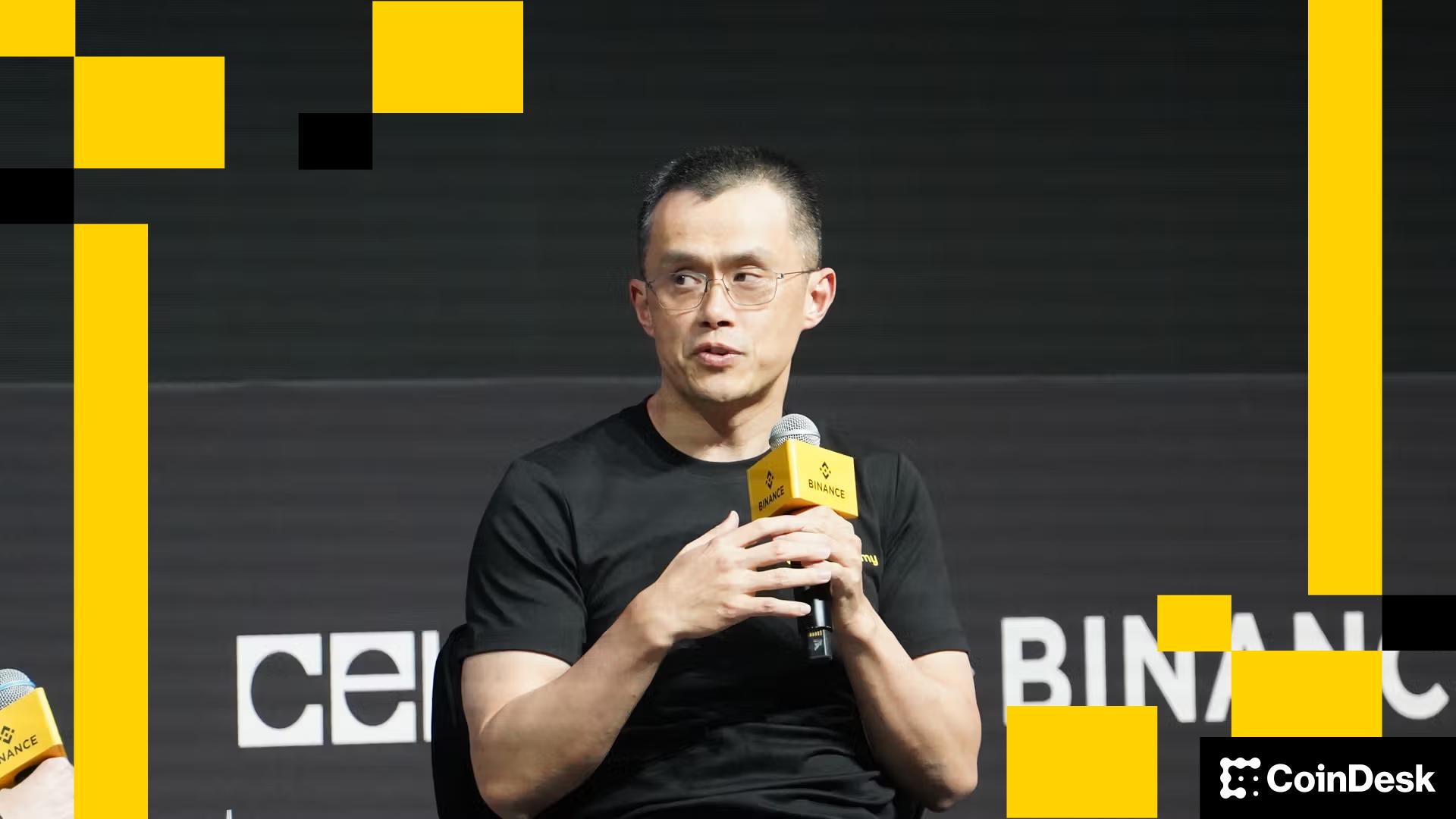
Binance co-founder Changpeng Zhao said in a CNBC interview that bitcoin could break its usual four-year cycle this year, arguing that a more crypto-friendly turn in the U.S. and other countries is changing the backdrop for the market. He said short-term price moves are impossible for him to call on a day-to-day basis, but over a five- to ten-year horizon, his view is straightforward: bitcoin will move higher.
During the exchange, CNBC referenced Ark Invest CEO Cathie Wood’s forecast from last week, which placed bitcoin between $300,000 and $1.5 million by 2030, and asked whether Zhao agreed with such expectations as some traders look for new all-time highs this year. Zhao replied that he has very strong feelings that a “supercycle” could happen this year. He also said he expects bitcoin to reach fresh record highs.
CZ links a possible cycle break to shifting government attitudes
Zhao said bitcoin has generally moved in four-year cycles, with market peaks often appearing 14 to 18 months after a halving event. Based on the source material, the next halving is not expected until April 2028, with a new all-time high usually arriving toward the end of the following year. In his view, this cycle may not follow that pattern. His argument is simple: the U.S. has become much more supportive of crypto, and other countries are moving in the same direction.
He described that political shift as positive for both the crypto sector and the U.S. The comment was brief, but it framed his broader market call. Zhao’s point was not about day-trading signals. It was about structural support coming from policy and regulation.
Talks with around a dozen governments focus on rules and tokenization
Zhao also said he is spending a significant amount of time speaking with governments about crypto policy. According to his remarks, those conversations cover crypto regulation, tokenization, and stablecoins, and involve roughly about a dozen governments. He made similar comments a day earlier on a panel at the World Economic Forum 2026 in Davos, where he said he was in talks with around 12 countries about tokenizing assets.
He did not name the countries involved or specify which assets were under discussion. Still, he outlined the idea behind those talks: governments could raise funds by offering small portions of state-owned assets to citizens or investors. Zhao compared the concept to cases where countries have sold stakes in national oil companies or telecom businesses.
Education work and BNB Chain mentoring remain part of his schedule
On his personal projects, Zhao said he remains busy and that his schedule is getting even busier. He said he has been working on a free education platform called Giggle Academy and has also worked with an investment team called YZi Labs.
He added that he continues to mentor a number of founders in the BNB Chain ecosystem. Zhao stressed that “we’re minority investors,” while presenting his role as direct support for founders rather than active control. Across the interview, his comments centered on one main claim: this year may not fit bitcoin’s usual cycle if the policy environment keeps shifting in crypto’s favor.