

DeFi has been one of the liveliest sectors in the latest crypto rebound, with Bitcoin and Ethereum rising sharply over the past few days and helping reignite interest in altcoins. Several well-known DeFi names have posted sizable gains in a short period.
Still, the article points to a more direct fundamental metric than price momentum: revenue. Lending, spot trading, and liquid staking protocols all depend on continued use by real users and capital. Market cycles change, and narratives rotate, but a protocol that keeps generating meaningful income over time at least shows that demand remains in place.
The revenue figures cited here come from Tokenomist and DefiLlama. The methodology uses protocol revenue after subtracting distributions paid to supply-side participants such as liquidity providers.
DEXs: Uniswap, Solana trading venues, PancakeSwap, and Aerodrome
Uniswap (UNI)
Over the past 30 days, Uniswap generated $7.18 million in revenue, making it the top-earning DEX in the group covered here.
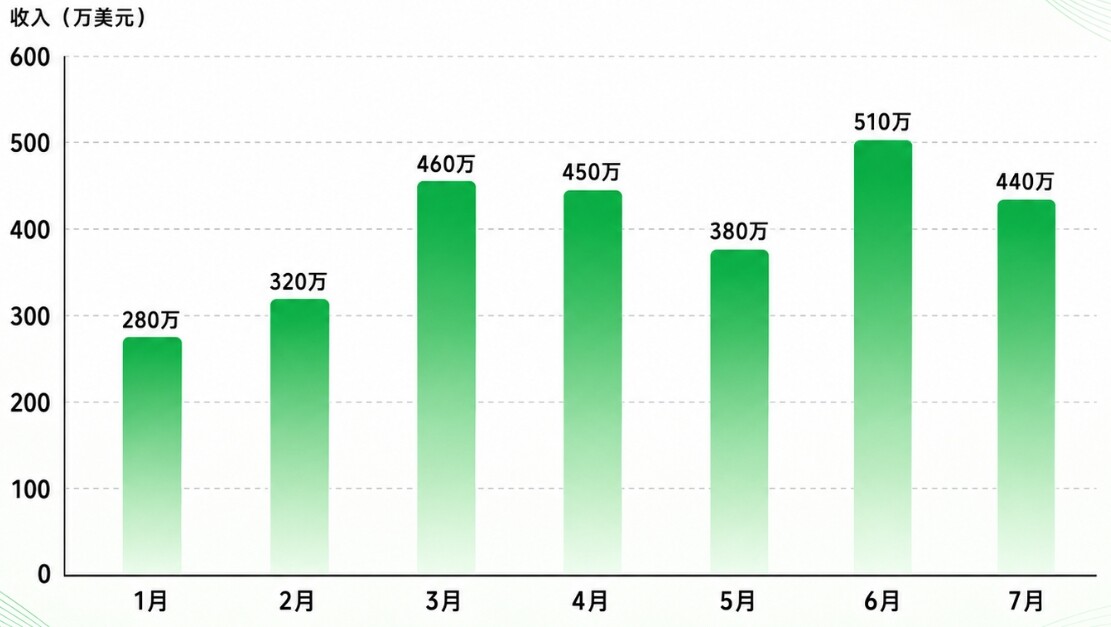
By month, Uniswap recorded revenue of $2.8 million in January, $3.2 million in February, $4.6 million in March, $4.5 million in April, $3.8 million in May, $5.1 million in June, and $4.4 million in July. That brought its total for the first seven months of the year to about $28.4 million.
Its revenue comes from the protocol fee charged during trading. That fee has already been enabled across all Uniswap v2 pools and in some v3 pools, and it has been expanding from Ethereum to Arbitrum, Base, OP Mainnet, BNB Chain, and Polygon. After the UNIfication proposal was implemented at the end of 2025, Uniswap formally turned on the protocol fee and began using the proceeds for UNI burns. The fees flow into TokenJar, and outside participants who want to withdraw the assets accumulated there must burn a corresponding amount of UNI.
Solana ecosystem: Jupiter (JUP), Meteora (MET), and Raydium (RAY)
Compared with other public chains, Solana’s on-chain trading market is more fragmented. Beyond traditional AMMs, aggregators and DLMM-based venues have also built up notable revenue streams. Jupiter, Meteora, and Raydium ranked as the three highest-revenue DEX projects in the Solana ecosystem over the past 30 days.
Jupiter came first with $4.69 million in 30-day revenue.
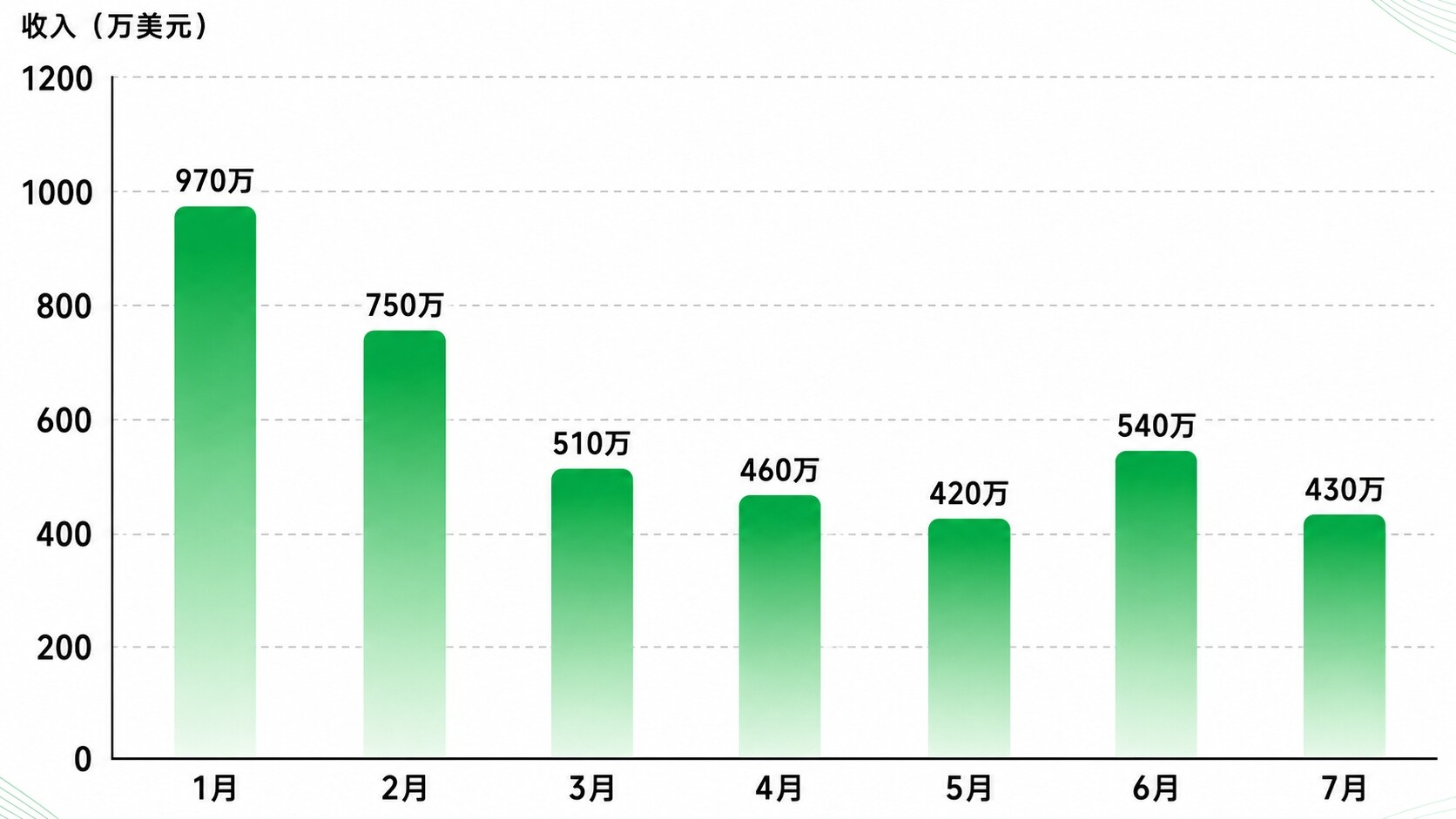
Its monthly revenue for January through July was $9.7 million, $7.5 million, $5.1 million, $4.6 million, $4.2 million, $5.4 million, and $4.3 million, for a seven-month total of about $40.8 million.
Jupiter uses 50% of on-chain revenue to buy back JUP, with purchases made in the open market through Litterbox Trust. Since the buyback program started in February 2025, cumulative repurchases have exceeded 260 million JUP. Of that amount, about 134 million JUP had been burned by the end of 2025, equal to roughly 4% of circulating supply. The burn proposal passed with 86% community support.
Meteora ranked second with $1.67 million in revenue over the past 30 days.
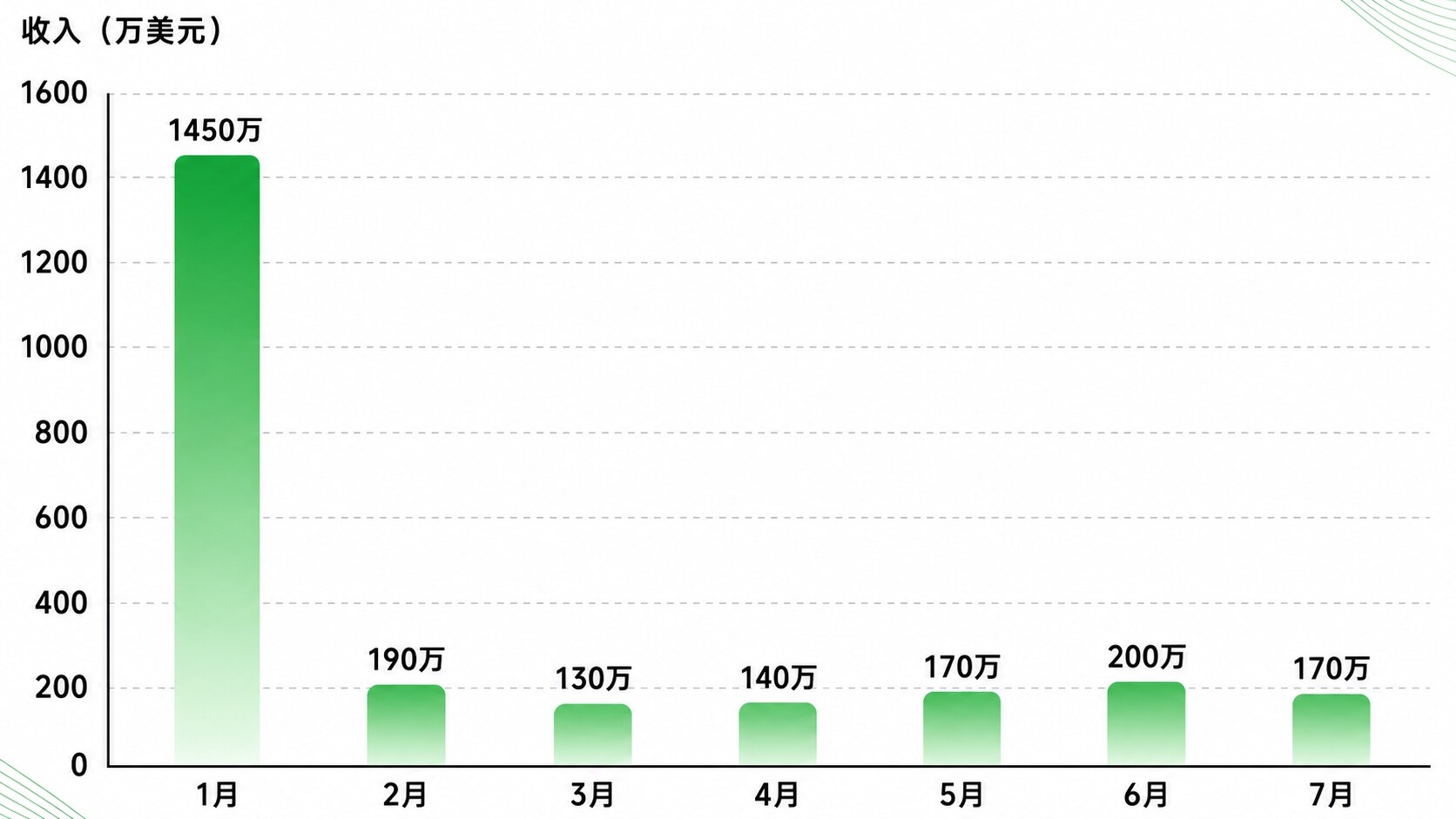
Its monthly revenue from January to July was $14.5 million, $1.9 million, $1.3 million, $1.4 million, $1.7 million, $2 million, and $1.7 million, adding up to about $24.5 million for the first seven months. The article notes that the January spike was driven by a concentrated burst of new token issuance and meme trading on Solana.
In the first quarter of 2026, Meteora spent 1 million USDC to buy back about 7 million MET at an average price of $0.1427. As of June 30, 2026, cumulative buybacks had reached about 336 million MET, valued at roughly $45.75 million.
Raydium came third with $1.13 million in 30-day revenue.
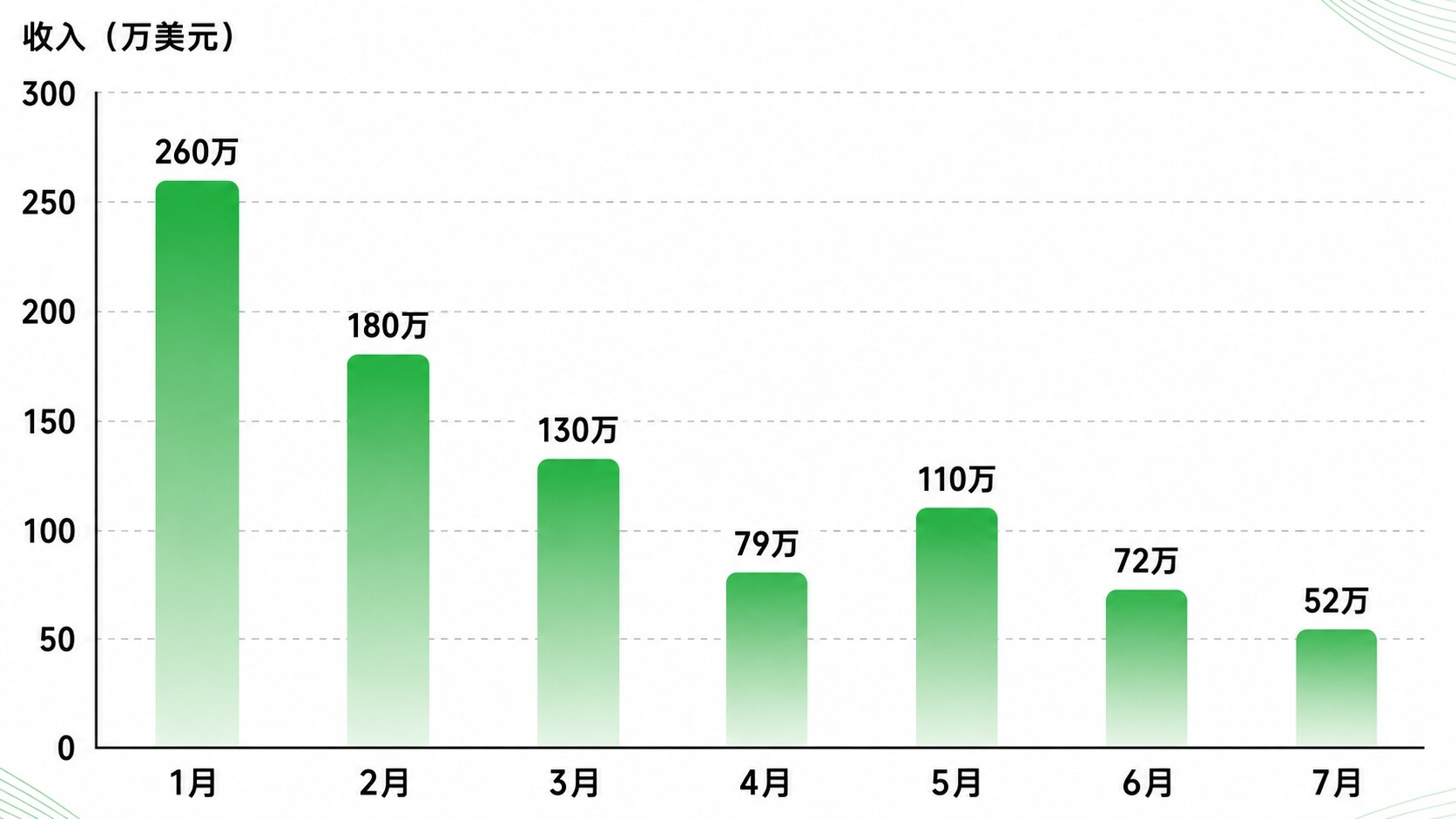
Its monthly revenue from January through July was $2.6 million, $1.8 million, $1.3 million, $790,000, $1.1 million, $720,000, and $520,000, bringing the seven-month total to about $8.83 million.
Raydium directs 12% of trading fees to RAY buybacks. The total amount allocated to RAY repurchases has reached about $200 million. In the first and second quarters of 2026 alone, it spent about $3.31 million and $1.72 million, respectively, on buybacks.
BNB Chain ecosystem: PancakeSwap (CAKE)
PancakeSwap generated $5.16 million in revenue over the past 30 days. On a quarterly basis, it brought in $14.03 million in the first quarter and $10.63 million in the second quarter, for a first-half total of about $24.66 million.
PancakeSwap’s edge lies in its long-standing role as a core trading gateway on BNB Chain, while also expanding to Base, Solana, and Ethereum. Part of its trading fees is used to buy back and burn CAKE. In July 2026, PancakeSwap burned about 1.94 million CAKE. After subtracting 674,000 newly issued tokens in the same period, CAKE’s net supply fell by about 1.27 million, extending its streak of net deflation in total supply to 35 consecutive months.
Base ecosystem: Aerodrome (AERO)
Aerodrome posted $4.11 million in revenue over the past 30 days. It reported $18.31 million in the first quarter and $16.10 million in the second quarter, taking its first-half total to about $34.41 million.
Unlike several of the DEXs above, Aerodrome does not use revenue to buy back and burn AERO. Instead, it distributes protocol income directly to veAERO holders. Users lock AERO to obtain veAERO and vote, after which they can receive trading fees generated by the relevant pools as well as external incentives. Under the official design, 100% of exchange revenue is distributed to veAERO holders.
Lending: World Liberty Financial and Aave
World Liberty Financial (WLFI)
World Liberty Financial recorded $10.47 million in revenue over the past 30 days. By quarter, it generated $32.82 million in the first quarter and $34.45 million in the second quarter, for a first-half total of about $67.27 million.
The data shows that net income to WLFI holders is still 0. A proposal had previously passed with 99.84% support to use 100% of fees generated by protocol-owned liquidity, or POL, to buy back and burn WLFI. But that buyback only covers POL fees, not the full protocol revenue figures listed above.
Aave (AAVE)
Aave generated $4.12 million in revenue over the past 30 days. It brought in $25.37 million in the first quarter and $20.17 million in the second quarter, taking first-half revenue to about $45.54 million.
Aave began its buyback program in April 2025. By March 2026, cumulative buybacks had exceeded 205,000 AAVE, or about 1.28% of total supply. After the rsETH cross-chain bridge attack in April 2026, Aave DAO paused buybacks starting April 19.
ETH staking: ether.fi and Lido
ether.fi (ETHFI)
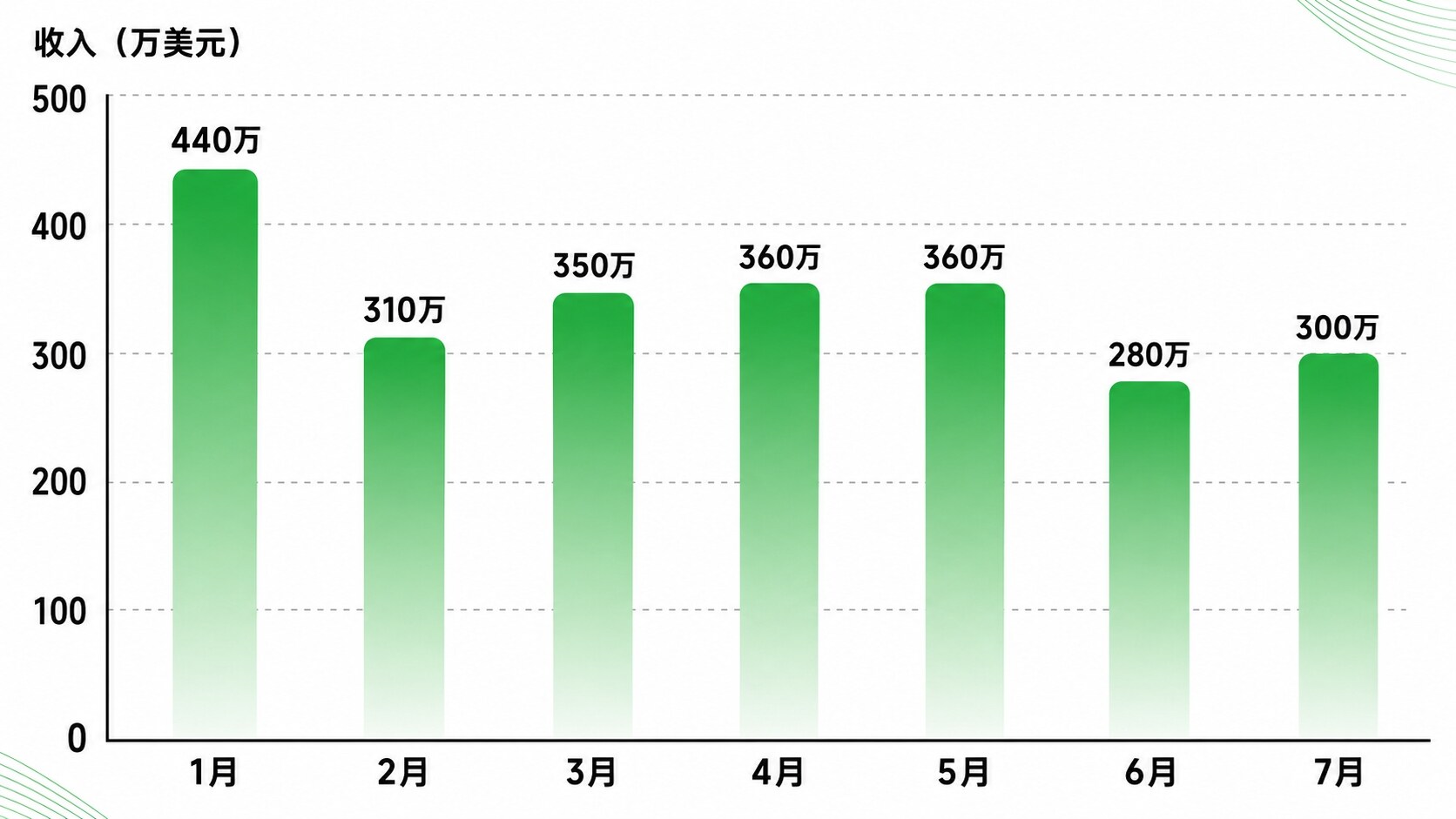
ether.fi posted $3.03 million in revenue over the past 30 days. From January through July, its monthly revenue came in at $4.4 million, $3.1 million, $3.5 million, $3.6 million, $3.6 million, $2.8 million, and $3 million, for a seven-month total of about $24 million.
At present, 100% of revenue generated by eETH withdrawals is used to buy back ETHFI. In addition, businesses including Stake, Liquid, and Cash allocate part of their monthly protocol revenue to buybacks. The repurchased ETHFI is not burned. Instead, it is distributed to sETHFI holders, sending protocol income back to ETHFI stakers.
Lido (LDO)
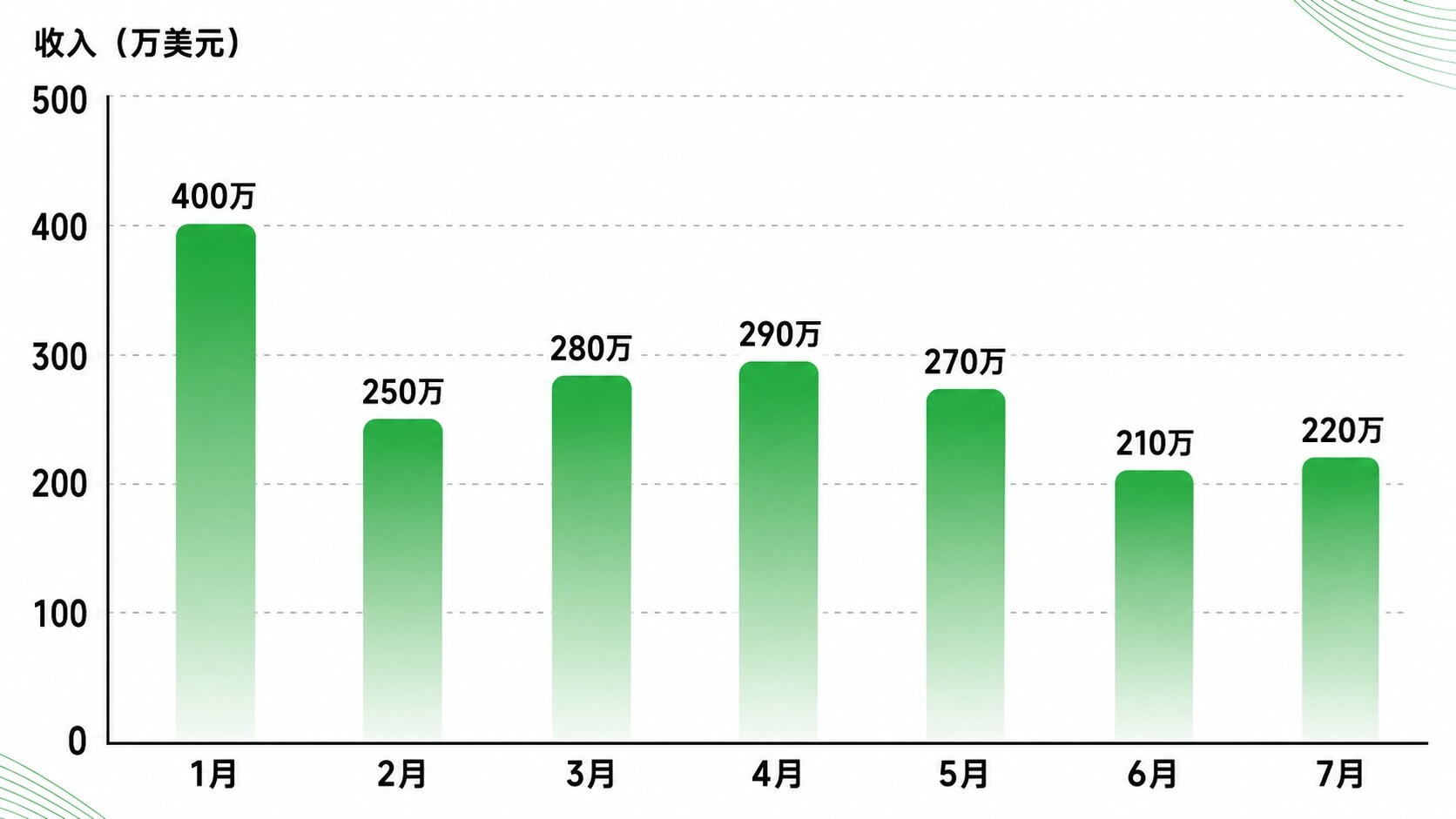
Lido generated $2.31 million in revenue over the past 30 days. Its revenue from January through July was $4 million, $2.5 million, $2.8 million, $2.9 million, $2.7 million, $2.1 million, and $2.2 million, for a seven-month total of about $19.2 million.
On August 14, Lido formally turned on NEST, its automated buyback mechanism. Once the protocol’s annualized revenue exceeds $40 million, 50% of the excess is used to automatically buy back LDO through CoW Swap. The daily cap is $50,000, and the rolling 365-day cumulative cap is $10 million.
Across the sector, the data shows that high protocol revenue can feed into token economics in very different ways. Some projects channel fees into buybacks and burns, some pass revenue through to locked-token or staking users, and some generate strong income without directly giving holders a share of the full amount.