
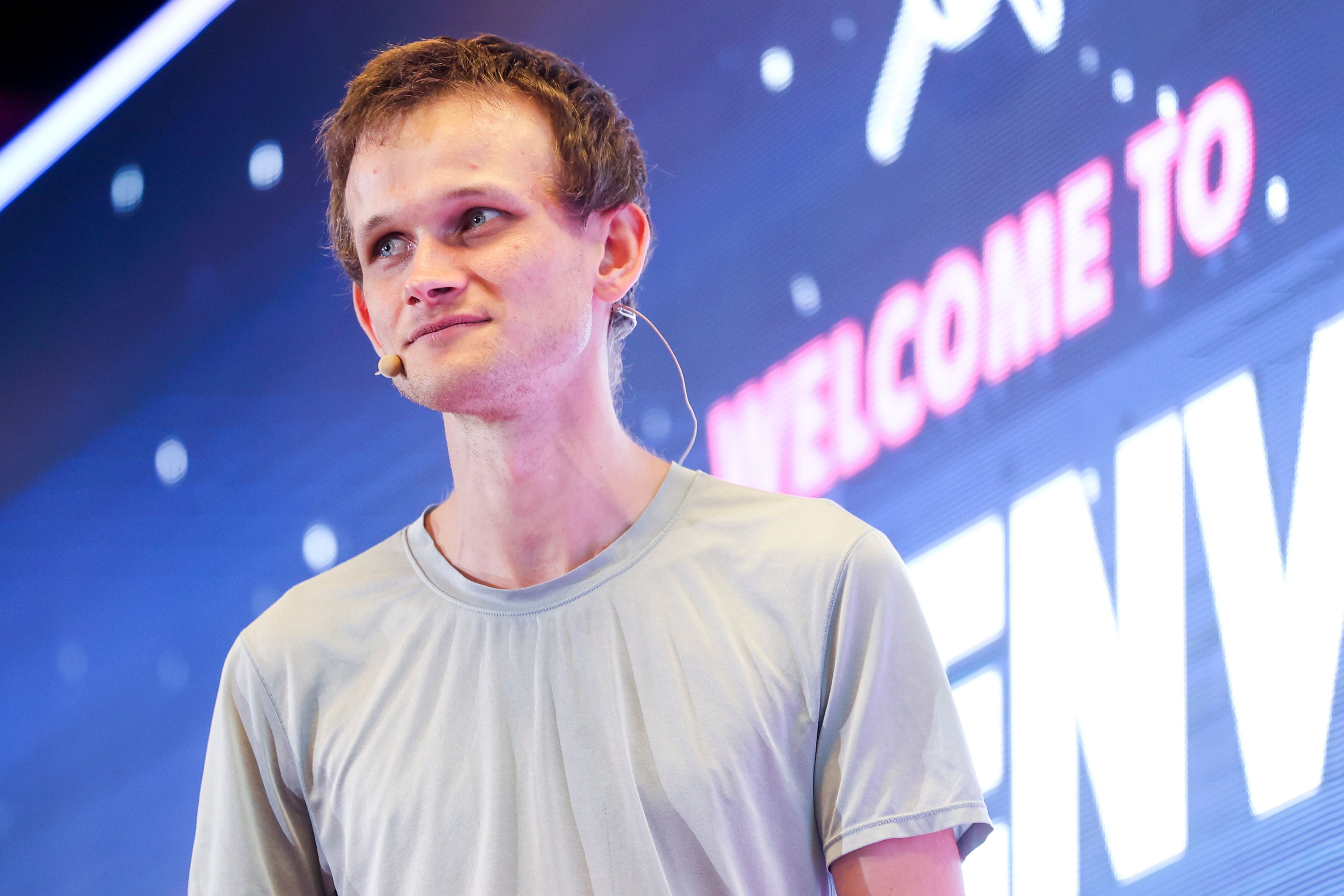
Ethereum co-founder Vitalik Buterin last week published an updated version of the "Lean Ethereum" roadmap, outlining a long-term plan to overhaul nearly every major component of the blockchain. Originally released in February, the new proposal calls for significant changes to make Ethereum faster, cheaper to operate, more private, and resilient against future threats like quantum computers.
Developers applaud direction, question speed
StarkWare co-founder Eli Ben-Sasson said on X that the roadmap has "many positives, some opaque parts, still several issues." He praised the decision to put recursive STARKs at the center of Ethereum's future — a cryptographic technique designed to make network verification much easier — calling it a big shift from earlier skepticism. Ben-Sasson also welcomed Buterin's prioritization of privacy and quantum-resistant cryptography: "Quantum safety—great. Happy to see it as a top priority." However, he argued that Ethereum should not wait three to four years to achieve those goals. "The '3-4 year' timeline is too long, especially for quantum readiness," he said.
Former Ethereum Foundation researcher Dankrad Feist echoed the sentiment. He called the roadmap's vision "really cool," adding that near-instant transaction finality and massively improved throughput could transform the network. His main concern was speed: "But 3-4 years is very slow," Feist wrote. "I think we should be ambitious and aim to finish in about 1 year." He suggested recent advances in AI tools, including large language models, could help accelerate development.
Technical details: new state type draws scrutiny
Not all discussion focused on timing. Ben-Sasson questioned one of Buterin's proposals to introduce a new type of blockchain "state" — the data Ethereum stores on accounts, balances, and smart contracts: "A new kind of state: what does that mean? Who is impacted?" he asked, calling for more clarification.
Ethereum Foundation researcher Barnabe Monnot focused on how the roadmap changed compared to the February version. One major difference, he noted, was that some upgrades designed to speed up block production were pushed further into the future, while changes to Ethereum's consensus system were moved earlier. He also pointed out that several previously proposed features had been removed. Monnot said these changes could ultimately help the network achieve faster transaction finality and stronger censorship resistance.
Overall, Ethereum's research community appears largely aligned on the roadmap's core ideas — better privacy, enhanced cryptography, new block space expansion approaches — with debate increasingly centered on execution speed. For Ethereum's leading researchers, the destination looks clear. The question now is whether the network can get there fast enough.