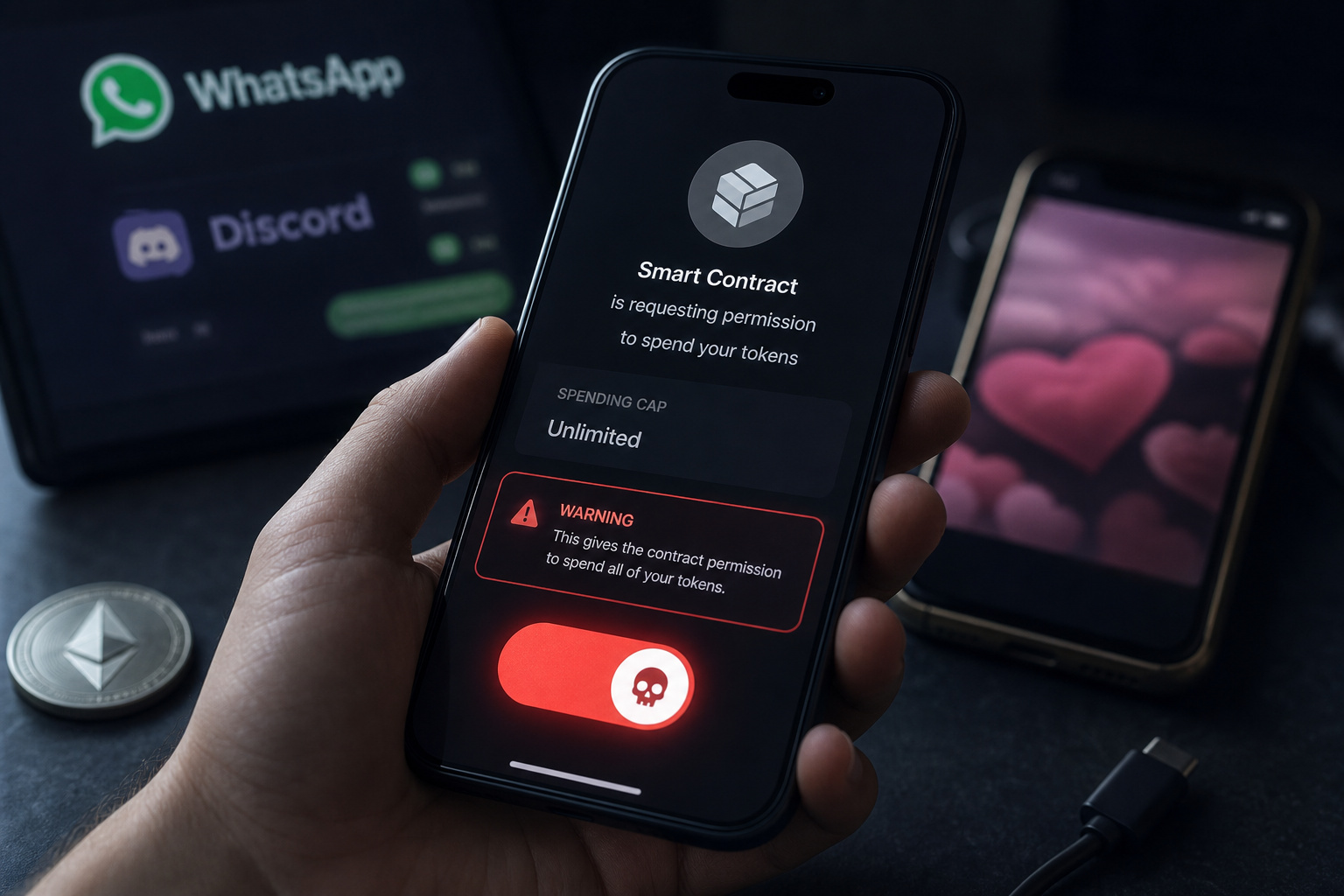
A new virtual currency fraud packaged as 'staking mining' has been flagged by Qilu Evening News, according to ChainCatcher. The scheme runs as a long con: fraudsters create polished personas on social platforms, chat with victims for one or two months, and then push them onto private overseas messaging apps such as WhatsApp and Discord. Victims are talked into installing a fake mining platform and signing a contract authorization, which lets the scammers quietly drain funds from the account. The pitch never mentions 'investment' or 'wealth management.' Instead, it is framed as 'idle computing power staking mining' and sold on claims of zero risk and steady returns. Small payouts are used early on as bait, drawing victims into committing larger amounts. Most of the victims identified so far are young people seeking side income. Known losses exceed 3 million yuan, with the largest single loss reaching more than 300,000 yuan, and victims are scattered across multiple regions. A lawyer's reminder carried by the report said virtual currency transactions are not protected by law, and anyone who is steered to overseas apps by strangers on social media or asked to authorize an unfamiliar contract should treat it as fraud and refuse any second transfer.
ChainCatcher reported that Qilu Evening News has documented a new type of virtual currency scam built around 'staking mining.' Fraudsters begin by building idealized personas on social media, then spend one or two months chatting with victims to gain their trust.
Victims are moved to private overseas apps
Once trust is established, scammers shift the conversation to private overseas messaging platforms such as WhatsApp and Discord. Victims are then persuaded to download a fake mining platform and sign a contract authorization. The contract carries an asset transfer permission, and that permission lets scammers move funds out of the account without the user noticing.
Small payouts serve as bait
The script avoids loaded words such as 'investment' or 'wealth management.' Instead, the scam is presented as 'idle computing power staking mining' and promoted with claims of zero risk and steady returns. Victims receive small payouts in the early stage, designed to encourage them to put more money in.
Young people seeking side income are the main targets
Most known victims are young people who want side income. Known losses have topped 3 million yuan, and the largest single loss exceeded 300,000 yuan. Victims are spread across many parts of the country.
The report also included a lawyer's warning: virtual currency trading is not protected by law. If a stranger on a social platform directs users to overseas apps, or asks for wallet authorization of an unfamiliar contract, that should be treated as fraud. Victims should not make a second transfer.
This article was originally published by Bit.Fan. For more cryptocurrency news and market insights, visit www.bit.fan. Disclaimer:
The market information, project data, and third-party content displayed on this platform are for industry information sharing only and do not constitute any form of investment advice or return commitment.
Cryptocurrency trading carries high risks. Users should fully assess their risk tolerance and make independent decisions. All profits, losses, and legal responsibilities are borne by the users themselves.