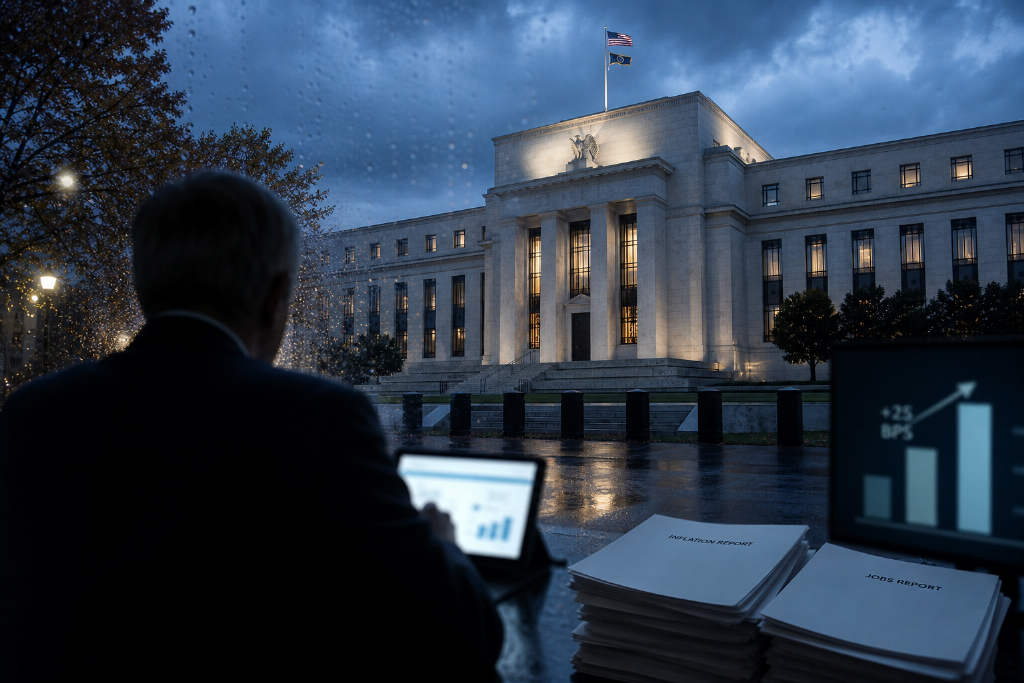
CME FedWatch data on Aug 30 showed the probability of a 25-basis-point rate hike in September at 57%, with odds of holding rates steady at 43%. The shift follows a more hawkish-than-expected speech by Kevin Warsh at Jackson Hole on Friday evening. Warsh signaled the Fed could raise rates again if inflation does not return to 2% at a clear and sufficiently fast pace. Before the September FOMC meeting, one nonfarm payrolls report and one CPI inflation report are still due, along with some secondary data releases. With recent U.S. jobs reports missing expectations by wide margins, any further weakening signal could significantly undermine market expectations for a September hike.
CME FedWatch data on Aug 30 showed the probability of a 25-basis-point rate hike at the Federal Reserve's September meeting at 57%, with the odds of holding rates steady now at 43%, according to BlockBeats.
The shift came after Kevin Warsh delivered a more hawkish-than-expected speech at Jackson Hole on Friday evening. Warsh said the Fed still has work to do if policymakers cannot be confident that inflation is moving back toward 2% at a clear and sufficiently fast pace. That suggests another rate hike could be on the table if price pressures do not improve.
Before the September FOMC meeting, one nonfarm payrolls report and one CPI inflation report are still scheduled for release, along with some secondary data points. Recent U.S. jobs reports have missed expectations by wide margins, and any further signal of weakness could seriously erode market expectations for a September hike.
This article was originally published by Bit.Fan. For more cryptocurrency news and market insights, visit www.bit.fan. Disclaimer:
The market information, project data, and third-party content displayed on this platform are for industry information sharing only and do not constitute any form of investment advice or return commitment.
Cryptocurrency trading carries high risks. Users should fully assess their risk tolerance and make independent decisions. All profits, losses, and legal responsibilities are borne by the users themselves.