

Lucas, formerly of Bankless, has reinforced his unwavering conviction in Ethereum’s future, reiterating a thesis that has guided him since 2017: all assets will eventually be tokenized, Ethereum will serve as the universal settlement layer for tokenized assets, and ETH will capture the full value generated by settlement activity through staking security. While a pervasive narrative claims “Ethereum is dead,” Lucas argues that Ethereum is entering its most promising adoption and growth cycle yet.
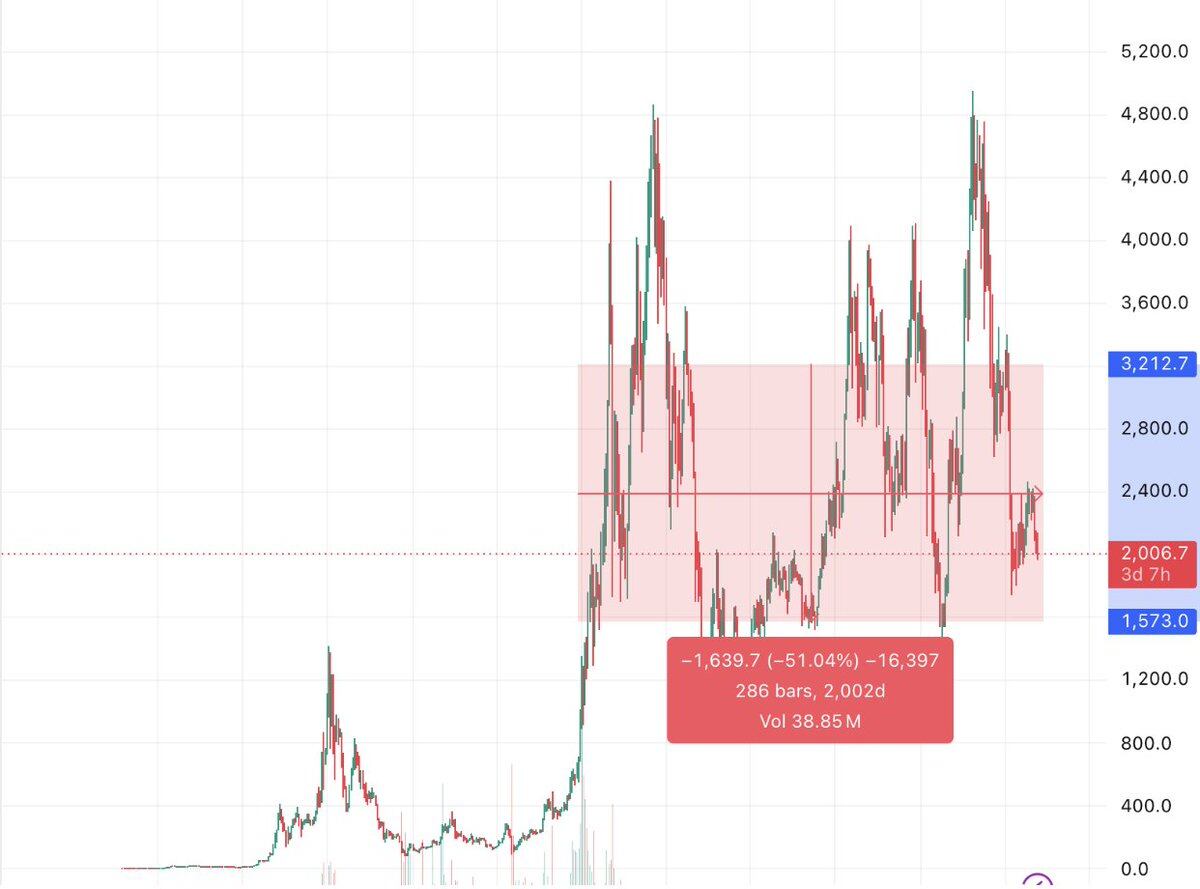
Bearish sentiment is undeniably widespread. Many long-time peers have distanced themselves from Ethereum, some leaving crypto altogether. The majority no longer hold ETH, having endured terrible returns. Investors who entered in 2021 are, at best, barely breaking even; most are deep underwater. ETH current price is down roughly 60% from its last all-time high, failing to breach $5,000 in 2025 and hitting no new peak. Meanwhile, Bitcoin remains above previous bull-market highs, and the S&P 500, fueled by AI and semiconductor rallies, has repeatedly hit records. Against this backdrop, ETH appears especially weak.
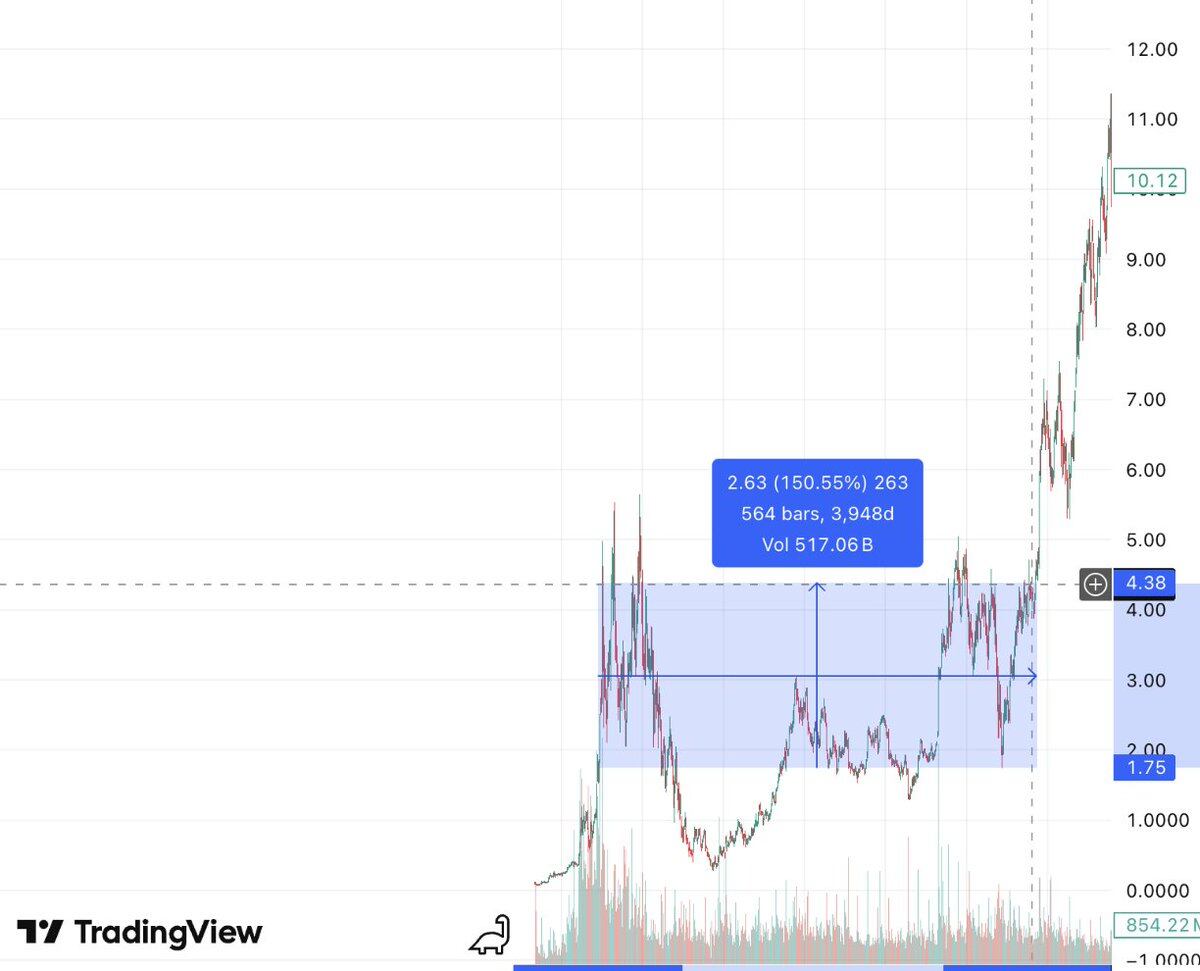
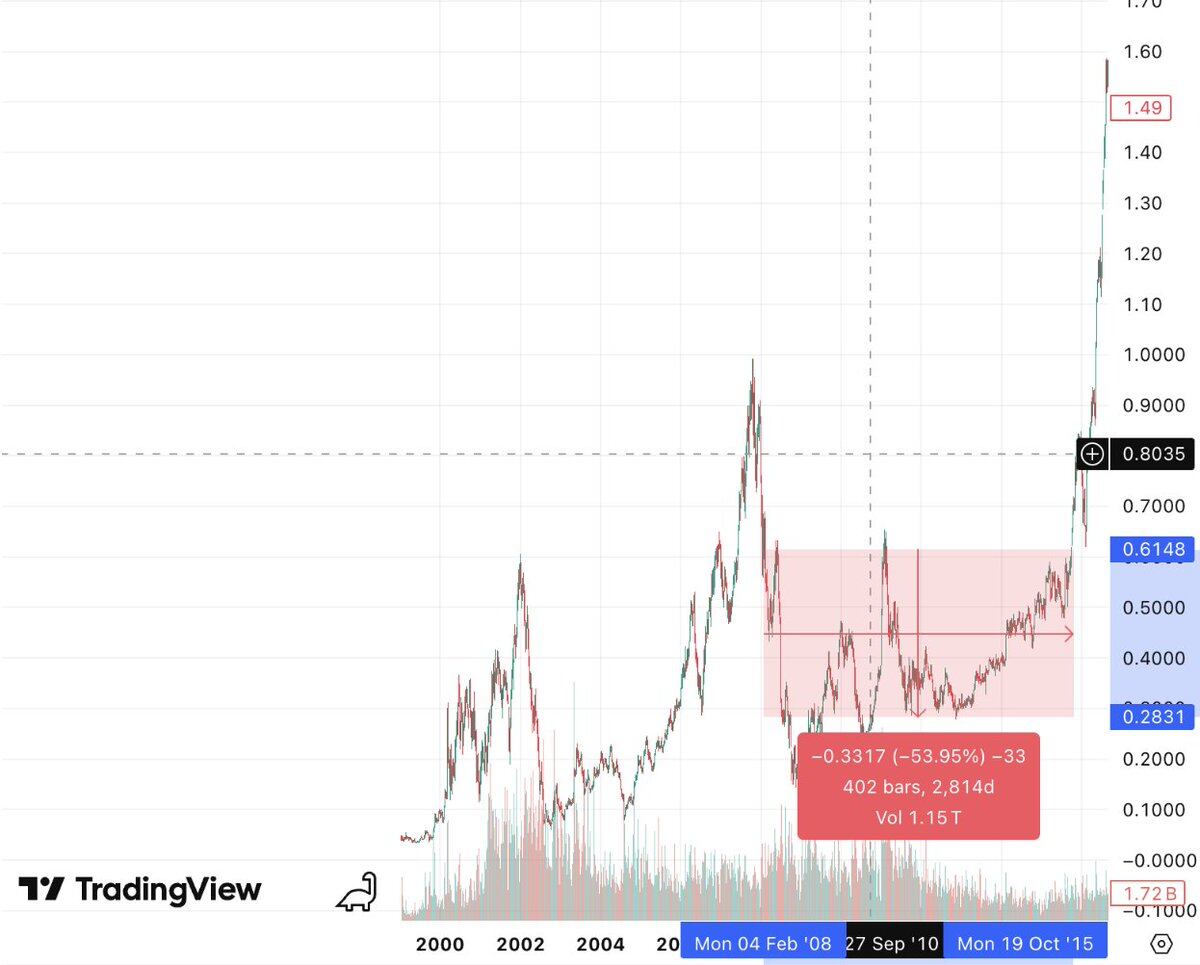
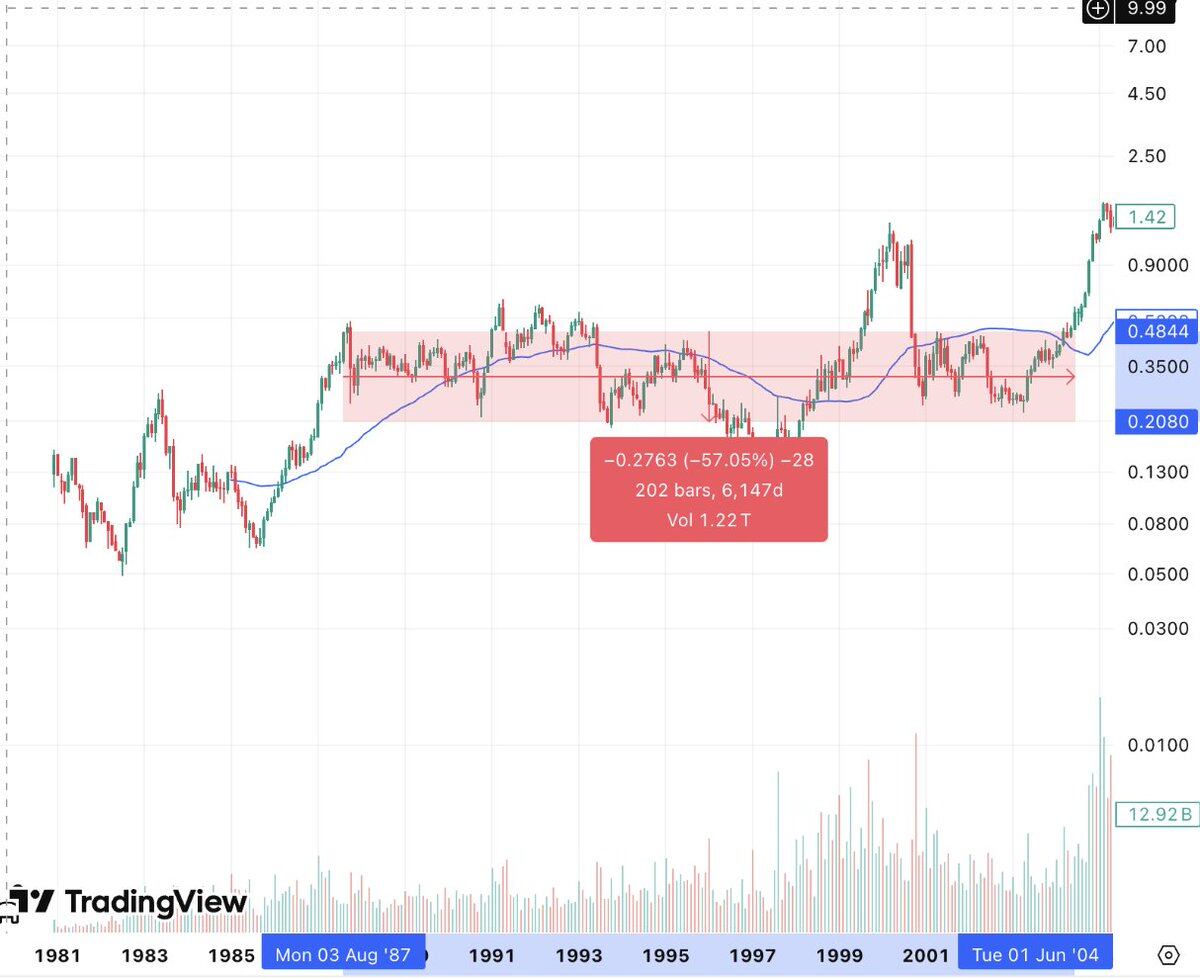
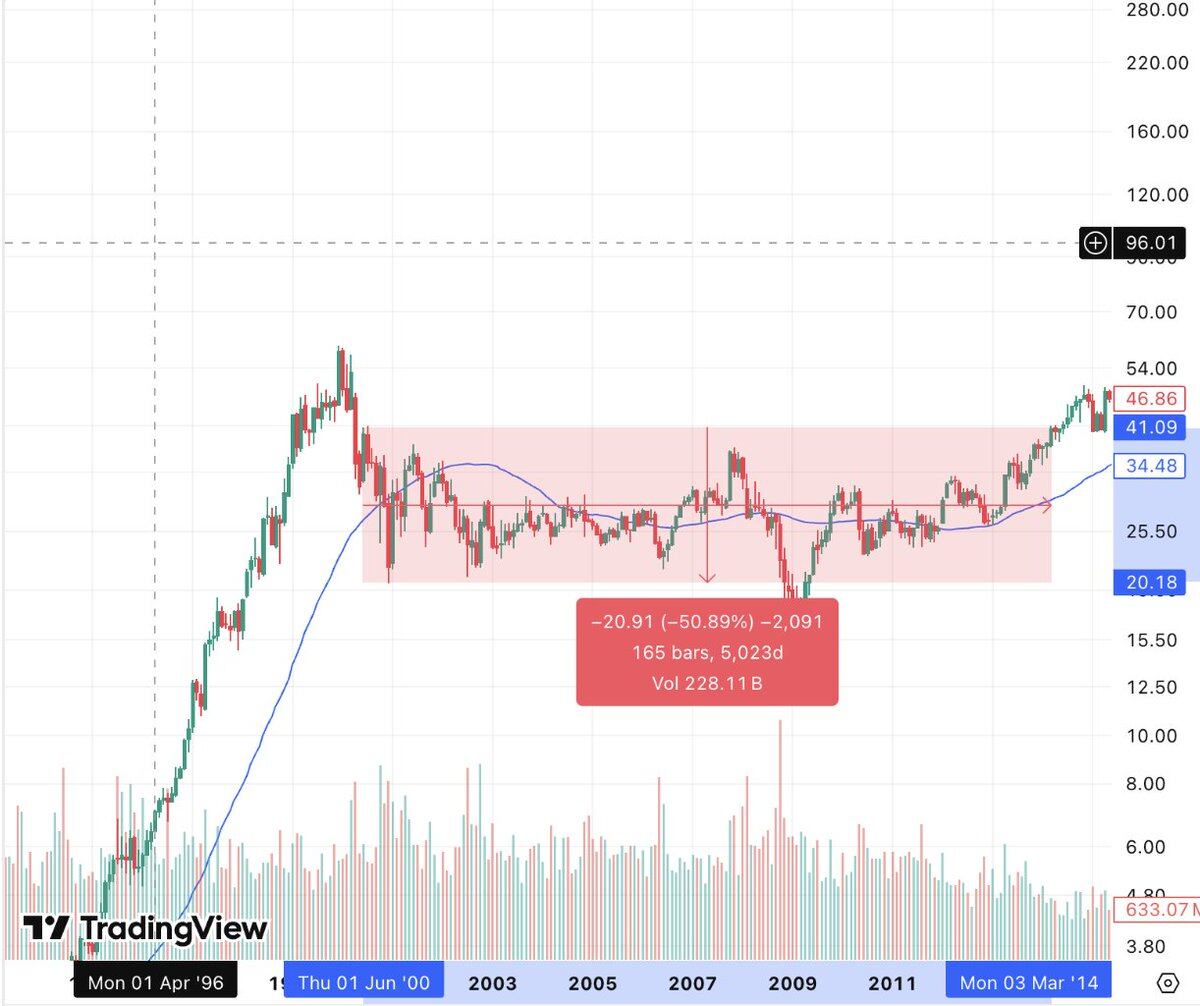
However, zooming out reveals a multi-year consolidation. Ethereum’s market cap still exceeds $200 billion, and the price has consistently held above $2,000, securing a spot among the world’s top 100 assets. In financial history, high-quality growth assets often undergo prolonged periods of sideways grinding before launching sustained bull runs. ETH’s five-year slump, while painful, is hardly an anomaly.
On-Chain Fundamentals at All-Time Highs
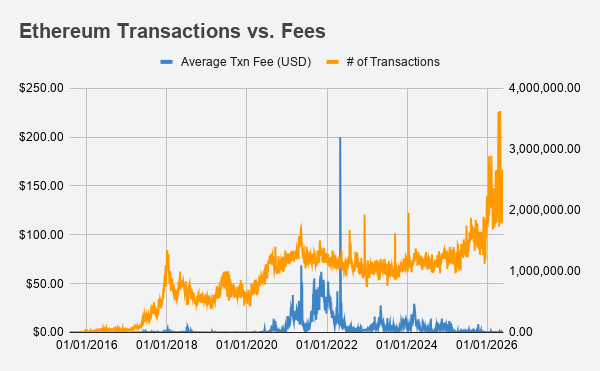
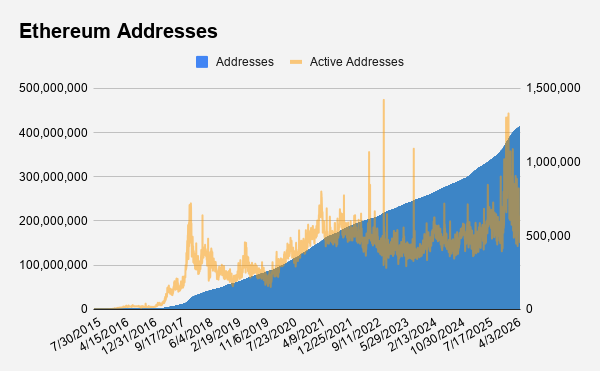
Contrary to price weakness, Ethereum’s on-chain metrics have never been stronger. According to Etherscan data, in May 2026 daily transactions hit an all-time high of 2.27 million, with an average fee of just $0.27—down from $50–$100 during the 2021 bull run. Total unique addresses surpassed 400 million, with a daily growth rate of about 0.08%, and daily active users consistently above 1 million. At this pace, addresses could cross 1 billion by mid-2029. More than 32% of all ETH is now staked, providing robust network security.
Ethereum has scaled without sacrificing decentralization or security, maintaining 100% uptime over more than a decade. Its extreme neutrality, safety, and programmable blockspace position it as the foundational infrastructure for global finance, a prerequisite for onboarding trillions in traditional assets.
Institutional Adoption and Tokenization Wave
Lucas points out that traditional financial institutions are connecting to Ethereum en masse. Stablecoins, the first tokenized real-world asset to achieve product-market fit, now boast a total market cap exceeding $300 billion—what Tom Lee calls crypto’s “ChatGPT moment.” Ethereum commands a 54% market share. As of June 1, 2026, total RWA (real-world assets) across all categories topped $30 billion, with over 53% deployed on Ethereum. Even as other chains scramble for non-stablecoin RWA share, Ethereum’s dominance remains firm.
For banks, asset managers, and clearing houses, the paramount consideration is certainty. Moving trillions in value onto a blockchain is a strategic decision requiring both the upside of tokenization and the avoidance of career-killing mistakes. While chains like Hyperliquid and Solana will capture market share, conservative institutions will overwhelmingly pick Ethereum as their RWA venue.
From DeFi Infancy to RWA Maturity
The current state of RWA mirrors the DeFi sector in 2019–2020. Back then, DeFi total value locked was about to explode, while ETH price consolidated. When the DeFi bull run ignited—driven by liquidity mining—ETH surged from $300 to $4,000 by year-end. Critically, Ethereum’s market cap at the time was a mere $20–25 billion, and DeFi assets as a percentage of ETH market cap reached about 20% before the rally commenced. Today, non-stablecoin RWA on Ethereum stands at around $16 billion, roughly 7% of ETH $230 billion market cap, a similar early-stage inflection point but at ten times the scale: then the bottom was $200, now $2,000; then the competitor was BNB Chain, now it’s Hyperliquid.
Back then, DeFi collateral demand and NFT narratives drove ETH buying, but proof-of-stake and EIP-1559 fee burning hadn’t arrived. Now both mechanisms are live, ensuring every transaction provides deflationary pressure and direct value accrual to ETH. Projecting a 10x path, this cycle’s RWA market (excluding stablecoins) could surpass $1 trillion. The U.S. CLARITY Act looms as a key catalyst: Polymarket places a 55% probability of enactment in 2026, which would unlock compliant on-chain channels for all U.S. financial assets—a massive tailwind for Ethereum.
Stocks, bonds, commodities, real estate, art, intellectual property—every asset of value will eventually be tokenized. Crypto’s first two decades were about native asset innovation; the next two will be about bringing traditional real-world assets on-chain. Lucas is resolute: Ethereum’s deep moats of security, reliability, and liquidity cannot be replicated quickly. As trillions in global assets settle on Ethereum, the market will finally reprice ETH, recreating the explosive valuation rallies of the past.
Even as crypto chatter remains overwhelmingly bearish, Lucas is more bullish than ever on Ethereum and ETH, and he invites readers to join him in that view.