
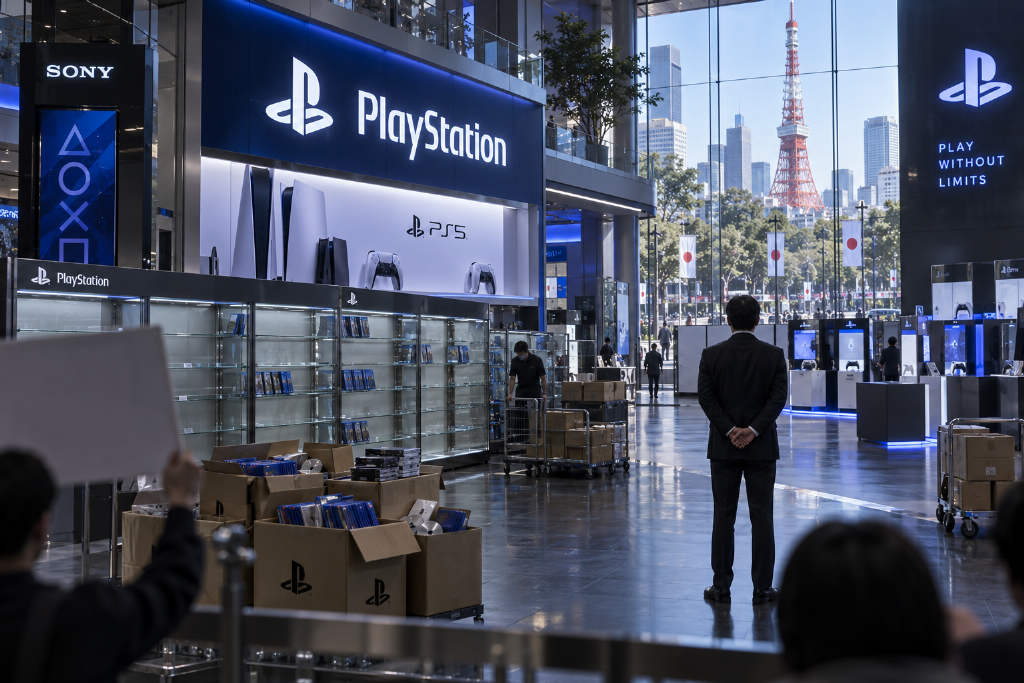
Former PlayStation executive Shawn Layden has questioned Sony’s plan to stop producing physical discs for its game consoles in 2028, calling it a “heavily spreadsheeted decision” and saying the move has damaged the company’s reputation.
Gamers have pushed back since Sony announced the change in July. A physical gaming advocacy group has called for an organized boycott, and the “Don’t Kill the Disc” petition has gathered more than 385,000 signatures. Sony has not indicated that it plans to reverse course.
Layden says the issue is shifting from ownership to access
Speaking on The Expansion Pass podcast, Layden said, “It changes the conversation from: do you own a game to do you have access to a digital asset? If you can’t sell a thing, that means you don’t own a thing. If you don’t own it, what are you buying? If you’re buying access, that doesn’t sound quite as sexy.”
He added that people tend to imagine the worst-case scenario.
The remarks came months after Sony argued in a California court that no reasonable consumer believes they own the digital games they buy through the PlayStation Store, according to court filings reviewed by Game File.
Sony’s argument in the proposed class action case
That argument was made in response to a proposed class action lawsuit alleging that the PlayStation Store’s purchase buttons suggest ownership rather than a revocable license.
Sony said its PlayStation Terms of Service and Software Product License Agreement make clear that the user does not own the product, and that users should understand that as a matter of fact.
Brand damage and the value of physical collectors
Layden, who served as President and CEO of Sony Interactive Entertainment America from 2014 to 2018, said Sony has taken a “significant brand hit” because of this position.
He also said the decision was likely driven by spreadsheet projections showing Sony could contain costs and maximize profits.
Layden stressed that while only 20% of gamers may still buy physical discs because digital downloads are easier, that segment is often the “most faithful.”
“[They are] the people who buy two copies of every game. One never gets out of the shrink wrap, and you play the other one. It’s just like comic book collectors,” Layden said. “We are an acquisitive collecting sort of people, and we like to show off our stuff. Look at my stuff! So, for those reasons, I don’t agree with that decision.”
Crypto advocates point to NFTs, but the limits remain
The dispute over whether players truly own the games they buy has again prompted parts of the crypto community to present NFTs as an answer. Advocates argue that NFTs can give holders a verifiable record of ownership and keep companies such as Sony from revoking access to games.
The report also notes the limits of that argument. NFTs still rely on public metadata and centrally hosted files, which means users remain dependent on third parties to access what they technically own.
To change that, metadata would need to be encrypted and content would need to be hosted on fully decentralized infrastructure. The report says that is not how many NFTs work today.