


This article was originally published by Bit.Fan. For more cryptocurrency news and market insights, visit www.bit.fan.
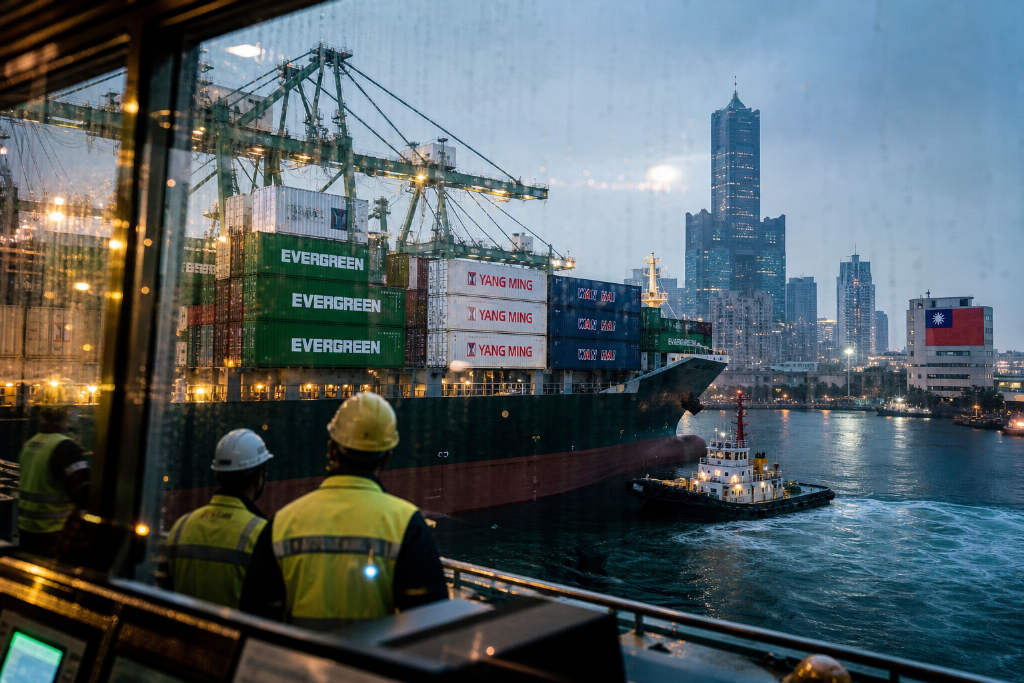
Freight rates climb as defensive money returns to container shipping
N
News EditorTaiwan stocks are trading near record highs, but electronics and AI names are under pressure as U.S. Treasury yields hit fresh highs and geopolitical risks stay elevated. That has pushed container shipping back into focus, with spot rates climbing and the SCFI and Drewry WCI both moving higher. The article breaks down how analyst Chou Chia-ho views Wan Hai, Yang Ming and Evergreen based on route mix, long-term contract exposure and spot freight sensitivity. Wan Hai is described as having the strongest upside momentum, Yang Ming as the lowest-priced name with room to catch up, and Evergreen as the largest and most stable of the three. Tide data cited in the piece shows net buying of the shipping group by institutions over the past five trading days reached NT$17.3 billion.
Taiwan stocks are testing high levels, but electronics and AI large caps have come under pressure as U.S. Treasury yields hit fresh highs and global geopolitical tensions remain elevated. As money rotates quickly in search of defense, container shipping has returned to the center of the market, with the sector rising against the broader index for several sessions.
The main driver is freight rates and the supply-demand picture behind them. Recent disruptions in global shipping networks have added strain on capacity. The Strait of Hormuz has not reopened normally since the conflict in February, and many vessels have chosen to reroute through the Red Sea, which extends sailing times. Water levels on the Panama Canal and the Rhine River have also been affected by weather, reducing effective capacity. On top of that, some AI hardware shipments have shifted from air freight to sea freight, adding to cargo demand.
The data points cited in the article point in the same direction. The Shanghai Containerized Freight Index, or SCFI, has climbed above its February peak, while the Drewry WCI freight index has also moved higher, showing that tight supply continues to support spot rates.
Analyst Chou Chia-ho then breaks down the three Taiwanese container shipping names — Wan Hai (2615), Yang Ming (2609) and Evergreen (2603) — by route mix, contract exposure and earnings sensitivity.
Wan Hai has the highest spot exposure and relatively few long-term contracts. It focuses mainly on intra-Asia routes. The company’s second-quarter net profit rose ninefold year on year, and its stock has broken through a previous resistance zone. The article also notes that rising short interest has increased the possibility of a short squeeze, making Wan Hai the most explosive name in the group.
Yang Ming’s spot exposure is around 60% to 70%. Second-quarter profit rose about four times from a year earlier, and first-half EPS was around NT$2, which gives the stock some defensive support. It is also the lowest-priced of the three. After breaking above the yearly moving average on strong volume, it still has room to catch up if the rotation continues.
Evergreen is the largest operator and mainly serves Europe and the U.S. long-haul routes. Its long-term contract share is higher, with spot freight making up about 50% of revenue. Second-quarter profit rose more than 40% year on year. Institutions and large holders have continued to add, while the stock is gradually challenging its prior high after moving up on moderate volume.
The article says investors should keep tracking whether SCFI and WCI can sustain their upward trend, while also watching fund flows and positioning. Tide data cited in the piece shows institutions bought a net NT$17.3 billion of freight and shipping stocks over the past five trading days.
9200
Disclaimer:
The market information, project data, and third-party content displayed on this platform are for industry information sharing only and do not constitute any form of investment advice or return commitment.
Cryptocurrency trading carries high risks. Users should fully assess their risk tolerance and make independent decisions. All profits, losses, and legal responsibilities are borne by the users themselves.