
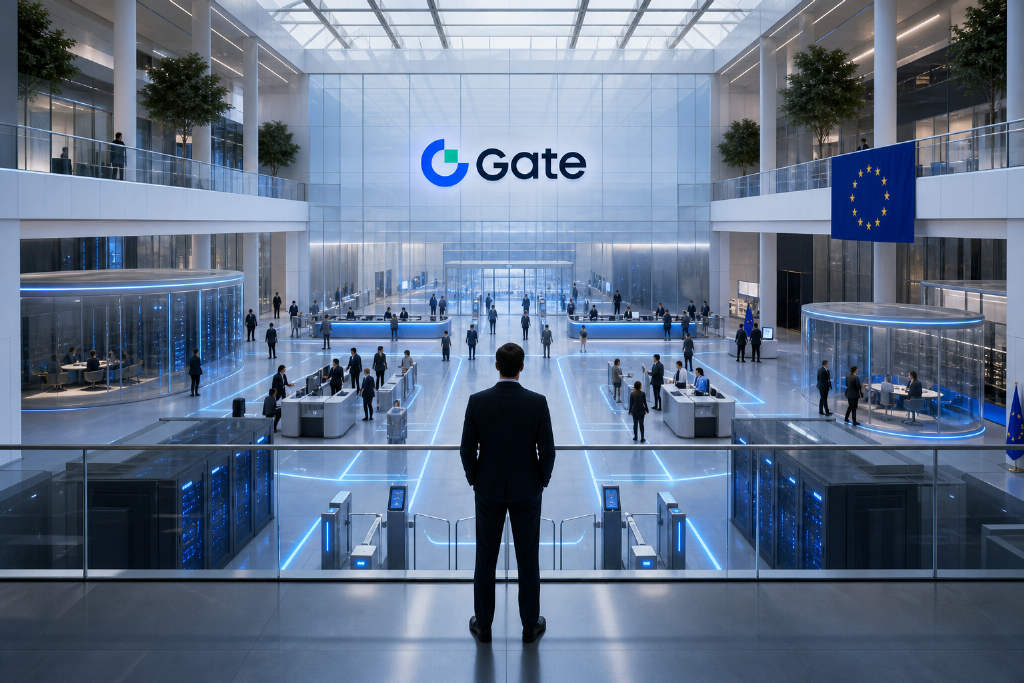
Digital identity is moving into the center of digital finance
ChainCatcher said Gate Europe CEO Dr. Giovanni Cunti wrote in a recent LinkedIn post that digital identity is moving beyond traditional KYC and risk assessment checks as digital assets, online banking, digital payments, and tokenized financial products keep developing. He said it is becoming a core layer that connects users, financial products, and services.
Cunti said users want faster access to financial services and stronger protection of personal information at the same time. He added that the industry needs to improve service efficiency without losing sight of security, privacy, and trust.
What the next layer of identity infrastructure should do
According to Cunti, next-generation identity infrastructure should go beyond a single verification function. He said it should bring security, privacy, compliance, and user experience into one framework. Reliable identity verification can reduce unnecessary steps such as repeated information submissions, while also improving transparency around the collection, storage, and use of personal data.
He also said regulatory standards are a foundation for a trust system in digital finance. For digital asset platforms, the importance of trusted infrastructure rises as businesses expand from crypto trading into stablecoins, tokenized assets, payments, and multi-asset financial solutions.
Gate Europe's licensing setup in Malta
Cunti said Gate Europe has completed a dual-licensing setup for MiCA and PI under the supervision of Malta's Financial Services Authority (MFSA). He said secure access, robust compliance processes, and responsible handling of user information are key conditions for the long-term development of financial services.
He added that digital identity is becoming an important part of the financial ecosystem, and that Gate Europe will continue exploring its role across more diverse financial scenarios to offer users a more convenient and reliable digital finance experience while helping global financial markets integrate more quickly.