

Gate opened subscriptions on July 15 for the second round of its Pre-IPO project tied to OpenAI, using the ticker OPENAI. Based on details released by the platform and cited in the article, the deal carries an implied OpenAI valuation of $895 billion, targets $20 million in total subscriptions, and offers 27,700 OPENAI tokens at $722 each.
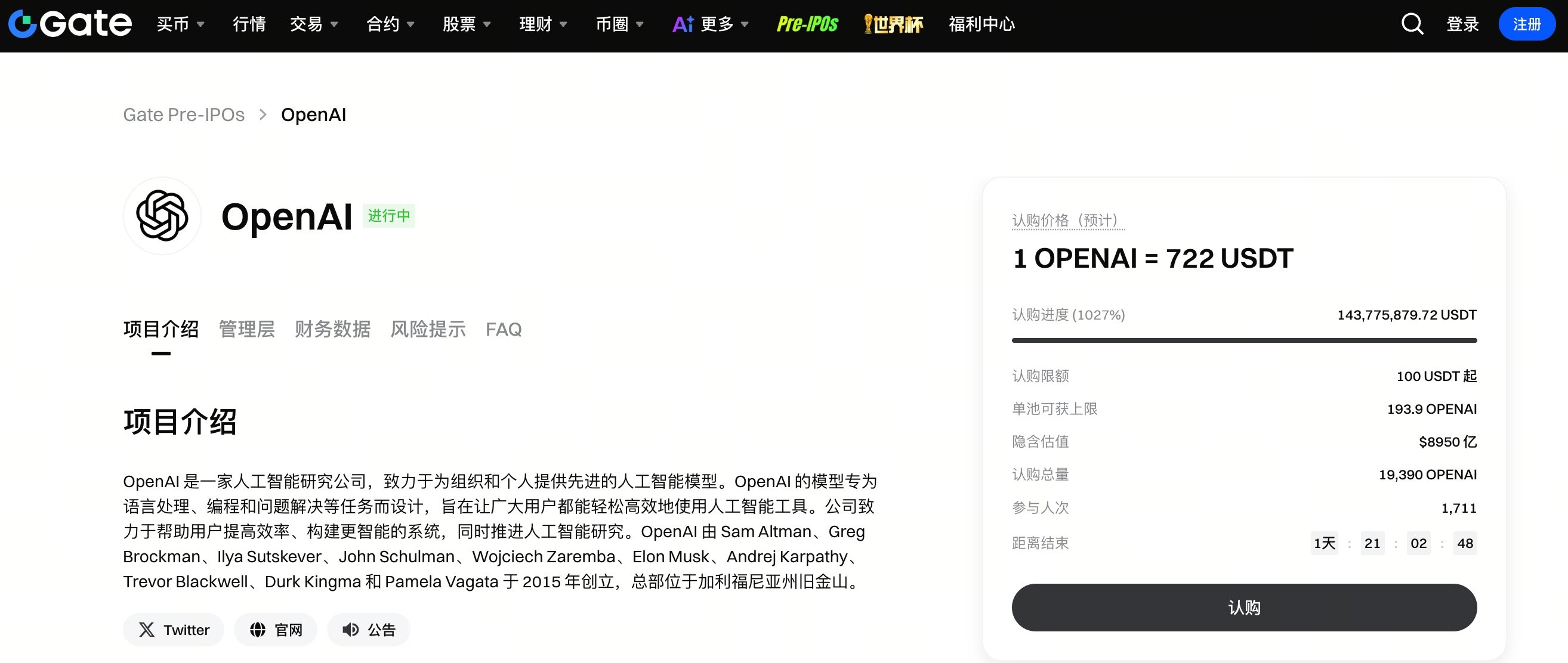
Users can subscribe with USDT or GUSD. The minimum ticket is $100, and each user can receive up to 277 OPENAI. Allocation is based on hourly average locked assets, which means earlier participation and longer lockup time carry more weight. The article says subscriptions had topped $226 million as of publication.
How Gate describes the OPENAI instrument
Gate says the OPENAI token offered in the subscription is not a conventional share. It is structured as a Mirror Note tied to OpenAI ahead of a potential IPO, with the product designed to mirror the company’s market value before and after listing.
After the subscription process is completed, OPENAI will be unlocked and distributed in three phases. Holders are given two exit paths in the article. Before the IPO and before the lockup period ends, Gate plans to provide 24/7 pre-market trading, with the Pre-IPOs section scheduled to open for trading on July 20. After the lockup period, defined here as six months after listing, Gate says it will offer a dedicated exit page where holders can exchange their position into stock tokens or convert based on the real-time market price of the listed stock into USDT.
From SpaceX to OpenAI
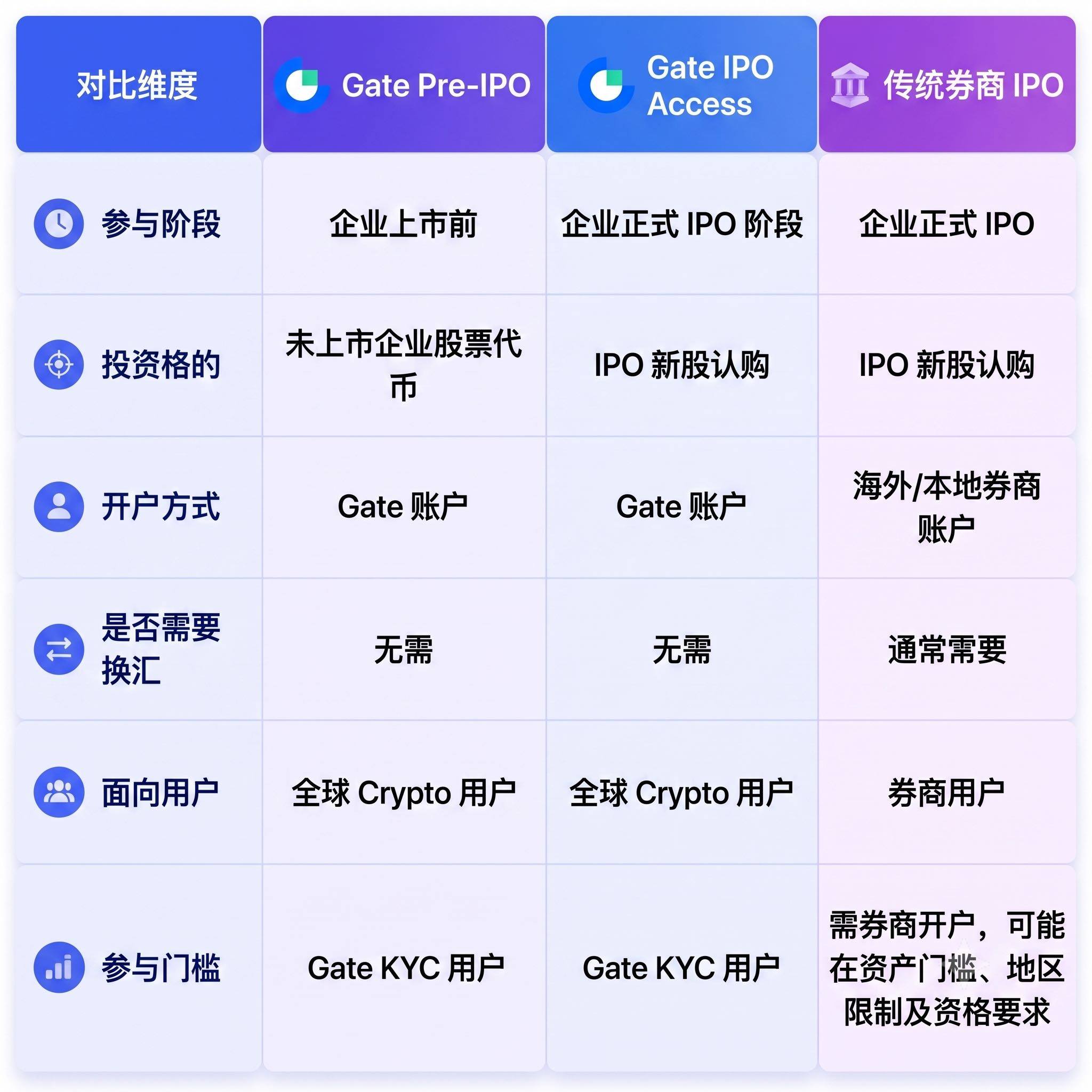
The article frames OpenAI as part of a broader push by Gate into IPO-related products rather than a one-off launch. Before this offering, Gate had already built a stock participation flow around SpaceX that spans Pre-IPO products, IPO Access, and post-listing secondary stock trading. The model is intended to let users enter before a company lists, participate again during the IPO allocation stage, and continue trading after the listing through a stock account on the platform.
In this structure, Pre-IPO is positioned as an avenue for investing before a company goes public through stock-linked tokens. IPO Access is aimed at the formal IPO stage and is meant to provide users with access to new-share allocations, closer to what traditional equity markets call IPO subscription.
SpaceX is used as the main example. Gate launched its first Pre-IPO project in April this year, with fundraising close to $395 million. In June, it followed with the IPO Access service, setting the subscription threshold as low as 100 USDT. Users who successfully subscribed received allocations of actual new shares, with a maximum of 154 shares per account. The article says demand during the SpaceX IPO subscription period was far above expectations, and Gate still completed the quota allocation for the first IPO Access project.
Stocks are becoming a new battleground for CEX platforms
The piece places Gate’s push in the context of a wider shift across capital markets over the past year. It says crypto markets have remained in a bear phase, while U.S. equities have been strengthened by the AI wave. Hong Kong and South Korean markets, it adds, have also produced structural opportunities, leading more crypto-focused investors to look beyond digital assets and into equities.
For users accustomed to onchain tools and centralized exchange workflows, the article argues that traditional brokers still come with friction: account opening can be cumbersome, different markets often require different accounts, foreign exchange adds costs, and trading hours remain limited. Against that backdrop, multiple major CEX platforms have started offering stock-related services in an attempt to bridge crypto and traditional finance.
While each platform has chosen a different entry point, the stated goal is similar: expand beyond crypto by adding traditional financial assets such as stocks, and use crypto-native accounts, faster capital movement, and around-the-clock trading to complement the brokerage model. The article presents Gate as standing out through its coverage of U.S., Hong Kong, and South Korean stocks, a product lineup built for different use cases, and a single-account system intended to improve capital efficiency.
Gate’s stock product lineup
According to the article, Gate has gradually assembled a stock product stack that includes direct stock access, tokenized equities, contracts for difference, and stock perpetual futures.
Direct stock access across three major markets
For investors focused on long-term exposure to global companies, asset safety, and the rights tied to real shares, the article positions direct stock trading as the primary route. Gate says this service now covers the U.S., Hong Kong, and South Korean equity markets, supports more than 12,500 stock assets, and has stock-account assets above $200 million.
Its U.S. lineup includes more than 10,000 stocks and ETFs. Hong Kong coverage includes more than 1,500 highly liquid names. South Korea coverage includes the top 1,000 listed companies by market capitalization on the Korea Exchange, including Samsung Electronics and SK Hynix.
The operational flow is built around a unified account. After completing KYC, users can transfer USDT into a stock account and trade U.S., Hong Kong, and South Korean equities without opening separate overseas brokerage accounts or manually handling cross-border currency exchange. Gate says it supports fractional trading starting at 0.01 share and offers 24/7 trading access. The article also says stock trading can use the platform’s existing VIP fee schedule, with trading fees as low as 0.023%.
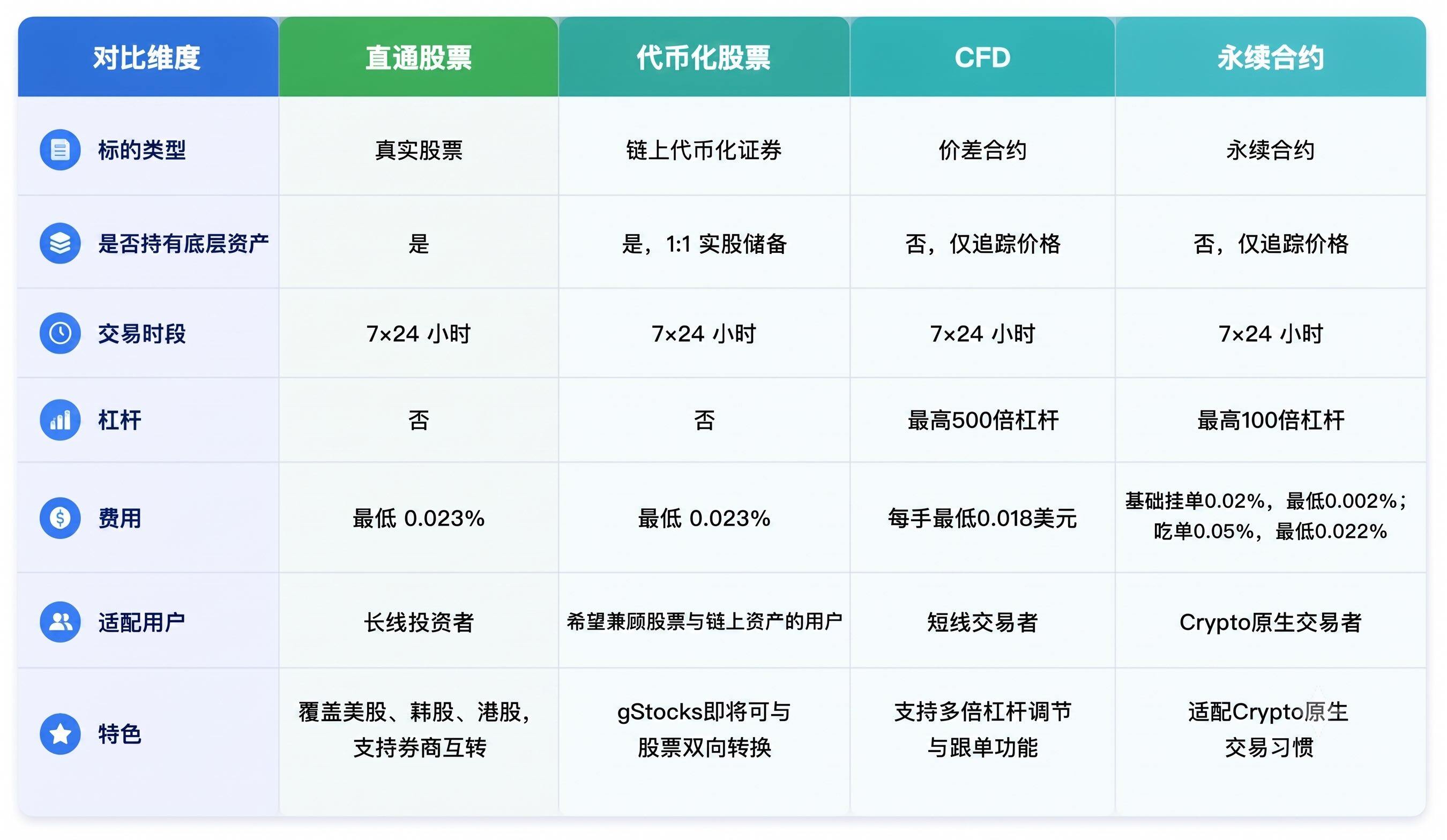
The piece adds that Gate seeks to preserve benefits tied to real shares, including dividends. It also describes Gate as the first platform in the industry to support stock transfers in and out across brokers, allowing users to move holdings from external brokerages into Gate or transfer positions from Gate to other brokers.
Tokenized stocks and onchain utility
The article describes tokenized stocks as an expansion of how equity exposure can be used. By representing traditional equities onchain, these products are designed to keep value linked to the underlying asset while making stocks more liquid and more compatible with crypto-style capital use.
Gate says it already lists several tokenized stock products, including xStocks, Ondo, and gStocks. Among them, gStocks uses a 1:1 fully backed reserve model in which each token corresponds to an actual share position.
Compared with conventional stock trading, gStocks supports entry from as little as 1 USDT, fractional purchases, and 24/7 trading. The article says the same account system lets users do more than buy and sell: gStocks can be used as collateral for leveraged borrowing, can work with wealth-management products such as Yubibao, and can be used with grid trading, trading bots, and API tools for automated trading, liquidity management, and quantitative strategies.
The piece says Gate plans to add two-way conversion between stocks and gStocks, along with automated dividend settlement.
CFDs for short-term trading and hedging
For users focused on short-term market swings, or for professional traders and institutions with hedging needs, the article points to CFDs as a more suitable tool. With CFDs, users do not need to hold the underlying stock in order to trade price movements.
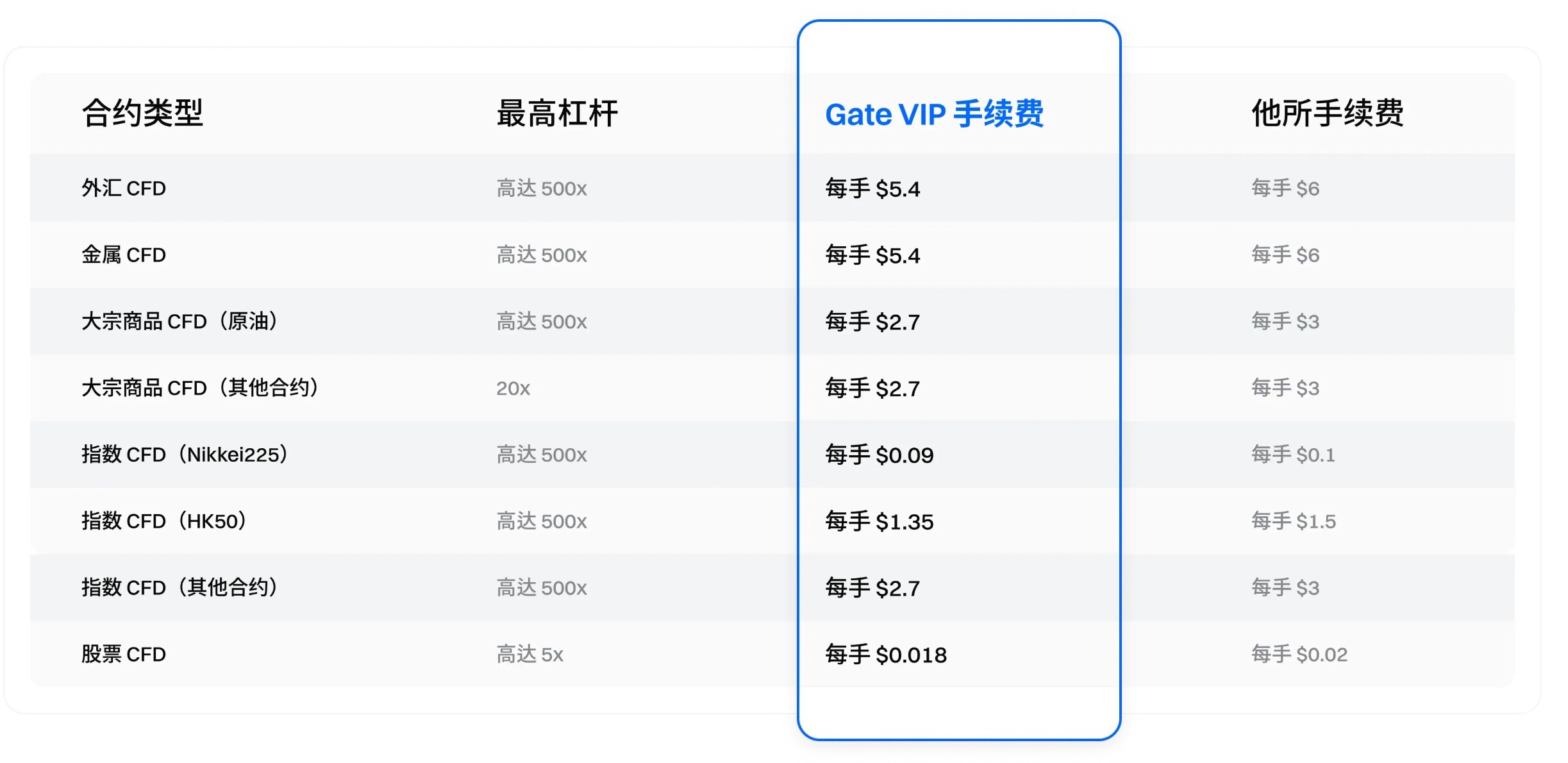
Gate says it has listed 653 stock CFD trading pairs across a range of popular names. These products support leverage of up to 500x, and fees can be as low as $0.018 per lot. Unlike traditional stock trading, which requires ownership of the asset, CFDs let users take positions based on expected price direction and support both long and short trades.
On the product side, the article highlights an adjustable leverage feature that lets users set leverage according to their own risk preference and strategy instead of being restricted to a fixed ratio. It says this feature has already been rolled out for several CFD assets including gold, silver, and crude oil. The platform has also launched a CFD copy-trading function that allows users to follow professional trading strategies.
Stock perpetuals for crypto-native traders
For users already familiar with crypto derivatives, stock perpetual futures are presented as the most natural extension. Gate says it now offers 223 stock perpetual trading pairs, combining equity exposure with the perpetual contract format so users can trade global stock markets within a framework they already know and use leverage or hedging tools when needed.
Viewed as a whole, the article argues that Gate is not simply placing stock products inside a crypto exchange interface. Instead, it has built separate routes for different needs: direct equities for long-term allocation, CFDs and stock perpetuals for short-term and tactical trading, and tokenized stocks for better liquidity and capital efficiency onchain. All four product lines sit under one account structure.
A broader move toward unified global asset access
The article closes by placing this product expansion in the longer arc of CEX development. Trading platforms first centered on spot and derivatives for digital assets such as BTC and ETH. Later came wealth products, lending, onchain assets, and RWA-related business. Now, stocks, funds, and bonds are also entering the field of view for crypto users, with global asset allocation becoming a new direction for the sector.
As infrastructure around RWA and tokenized securities develops, the line between traditional financial assets and onchain assets is becoming less distinct, according to the piece. Its final point is that investors may eventually no longer need to manage brokerage accounts, exchange accounts, and onchain wallets separately. Instead, trading, holding, and capital management across stocks, crypto, and other real-world assets could be handled within one account system, with Gate presented as an early mover in that transition.