
Global Macroeconomic Risks Accelerate
Metrics Ventures' latest monthly report argues that supply chain disruptions since 2022 have systematically eroded the economic resilience and policy autonomy of major economies including Japan, South Korea, and Europe. This structural damage is quietly accumulating kinetic energy for a future global capital market tremor. Market action has already confirmed that liquidity is drying up across the board, except for AI-related equities and select non-ferrous metals. Although a near-term bubble burst is not imminent, fragile nations are piling into concentrated trades with increasing desperation. Given the current geopolitical and economic landscape, this all-in strategy is unlikely to end well.
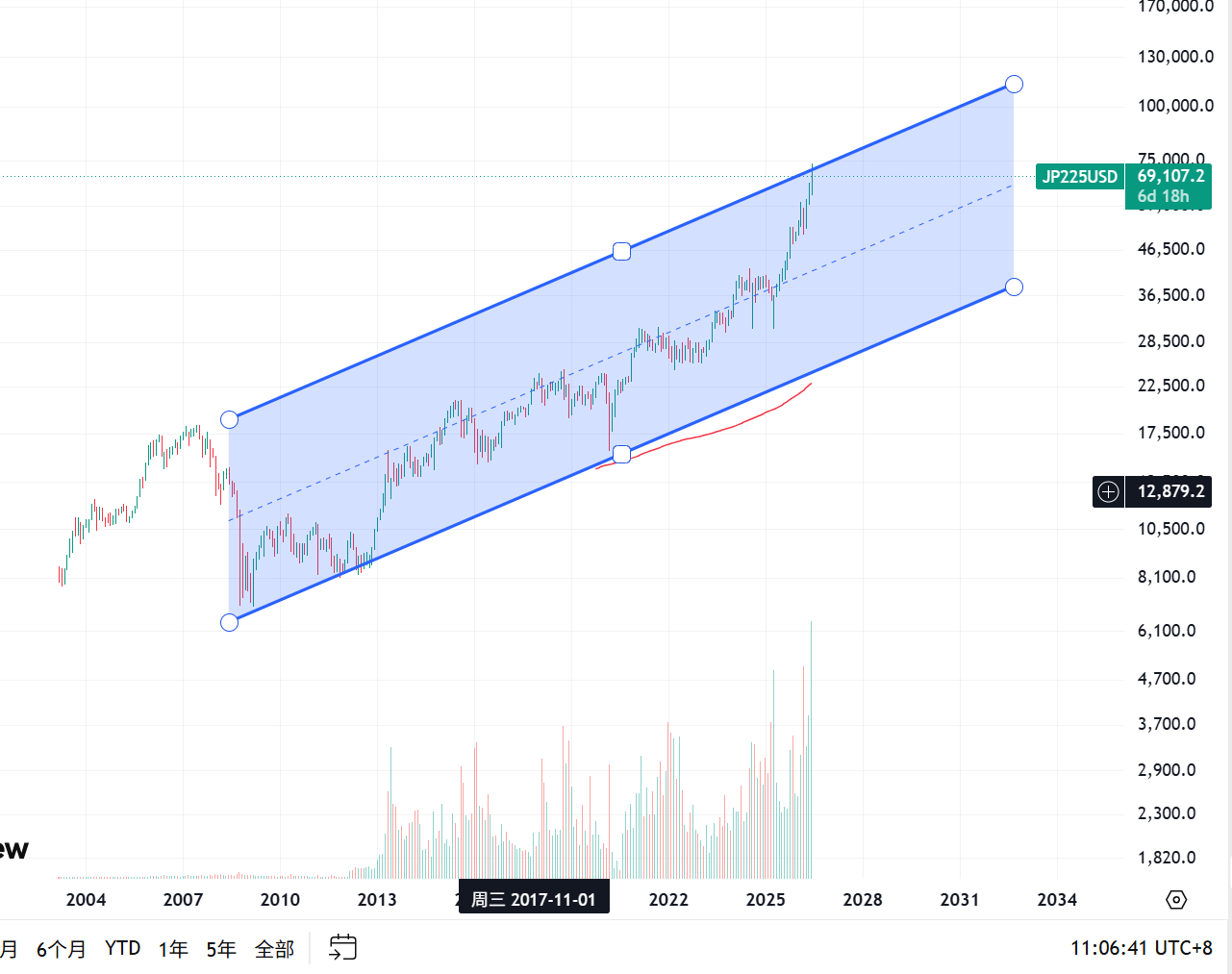
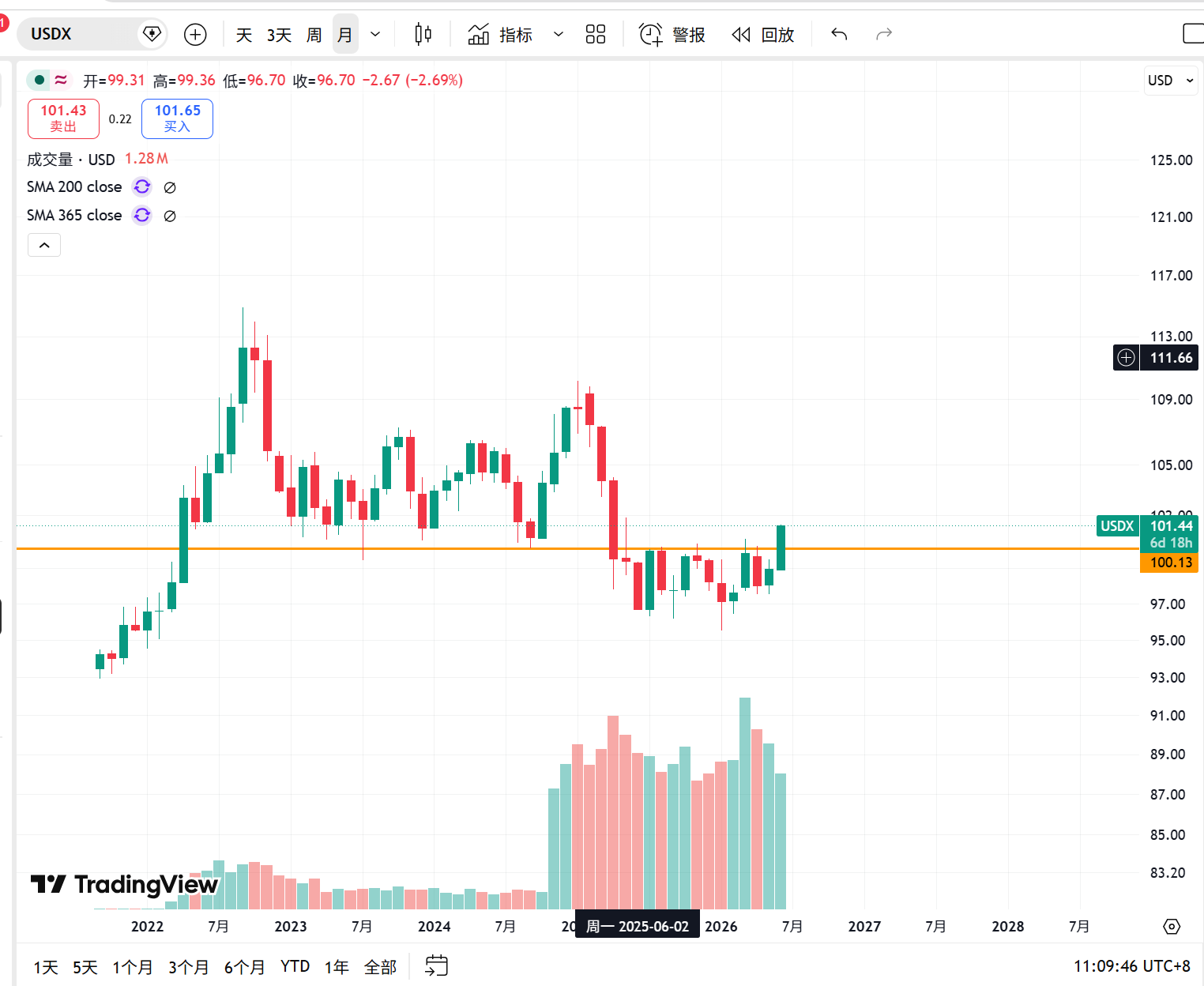
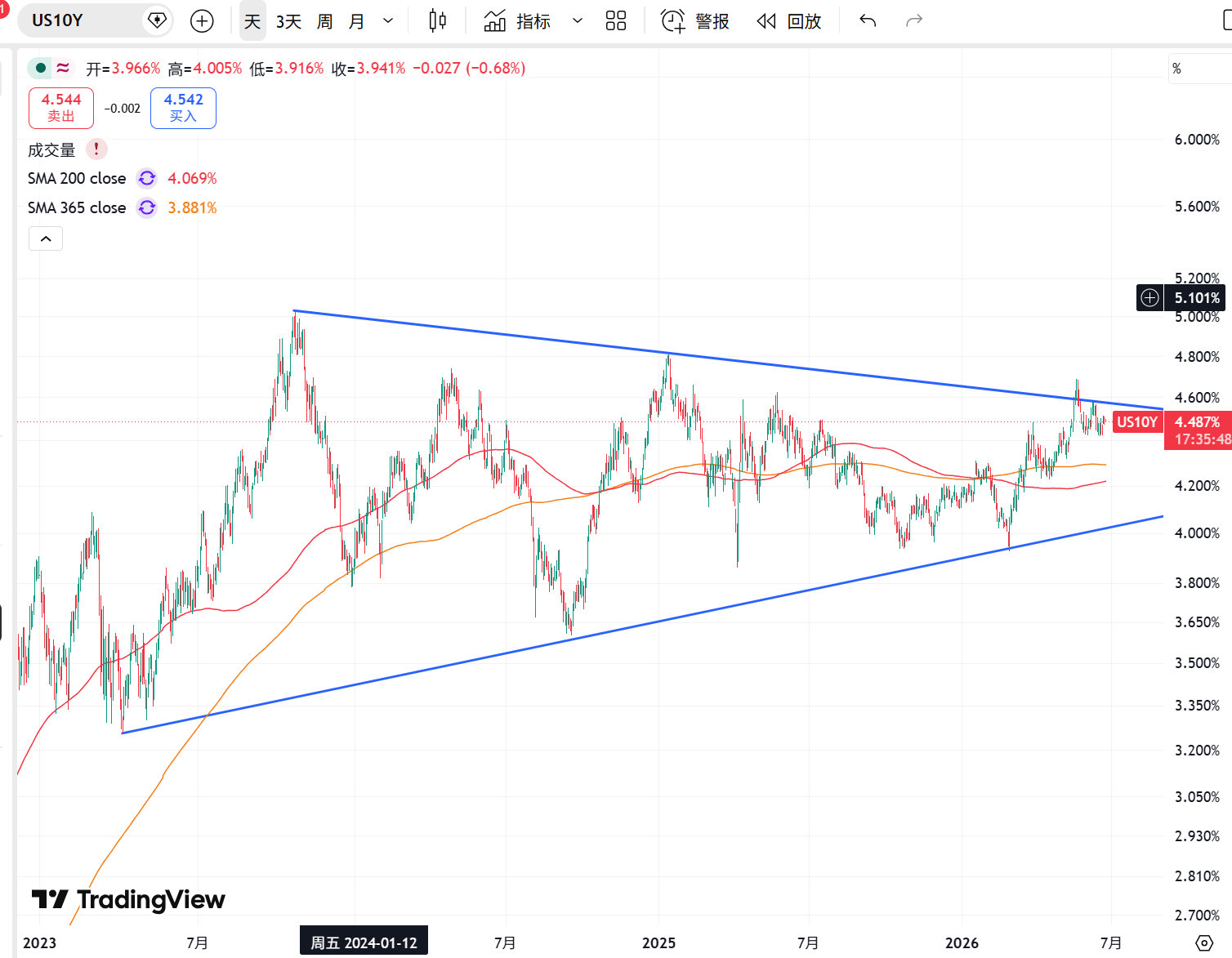
Technically, concentrated trading has entered its middle-to-late stage. The Japanese and Korean stock markets, long propped up by state-sponsored transfer payments, have reached major resistance on their long-term channels. The US Dollar Index has broken above its one-year resistance level. While the 10-year US Treasury yield remains stable, the 2-year yield is trending upward, signaling rising rate hike expectations. Meanwhile, the leveraged fund in SK Hynix has surpassed that of Tesla in size, and a massive wave of white-collar workers is rapidly losing human capital valuation premiums, being forced into the endless casino of capital markets. Nations deeply tied to global trade and the trust-based capitalist globalization are now paying for past faith: the breakdown of global supply chains and the dissolution of international trade alliances will severely impair their fiscal and monetary systems' ability to regulate their economies. After all, printing money cannot produce oil, copper, or optical modules. Globalization has become a noose around their own necks.
Crypto Market: MSTR Selling Shadow and Bitcoin's Deeper Correction
For the crypto market, the fragile world order has been rapidly condensing into dark clouds above Bitcoin's price since late last year. For the first time, the authors seriously contemplate the possibility that MicroStrategy (MSTR) might continuously sell off its 800,000 BTC holdings. With demand nowhere in sight, BTC's attractiveness as a short-side hedge against other assets is rising sharply, making the medium-term outlook 'like duckweed tossed by rain and wind.' If liquidity suddenly contracts—whether expectedly or unexpectedly—a flood of leveraged funds will start algorithmic liquidity harvesting from Asian trading hours. The shockwave will quickly transmit to the global VIX and trigger a cascade of panic. At that point, underlying civil unrest and the fragile economies running on perpetual stimulus will erupt further, amplifying the emotional swings. This process will not end beautifully.

Commodities: Gold and Silver Deep Squat, Copper in Complex Game
For precious metals, gold and silver will face short-term pressure under macro stress as nations scramble to exchange their currencies for dollars to secure commodity inventories. This is most evident in central banks like Turkey's. However, the authors view this shakeout precisely as the 'deep squat' before the real main rally for gold and silver. The complete failure of the Hormuz Strait scenario will serve as the prelude to dollar weakening. The market turbulence after the rate hiking cycle will ultimately pivot toward an easing future. For copper and base metals, the game is more complex, but when rate-hike expectations reach their extreme, there will be a sweet period of decent performance. In summary, risks come with opportunities. The bottom for Bitcoin may be shockingly low by today's standards, but a deeper correction is not a fantasy born of panic—it is a plausible path. We need to carefully rethink BTC's positioning and tradable direction during this risk release phase.