
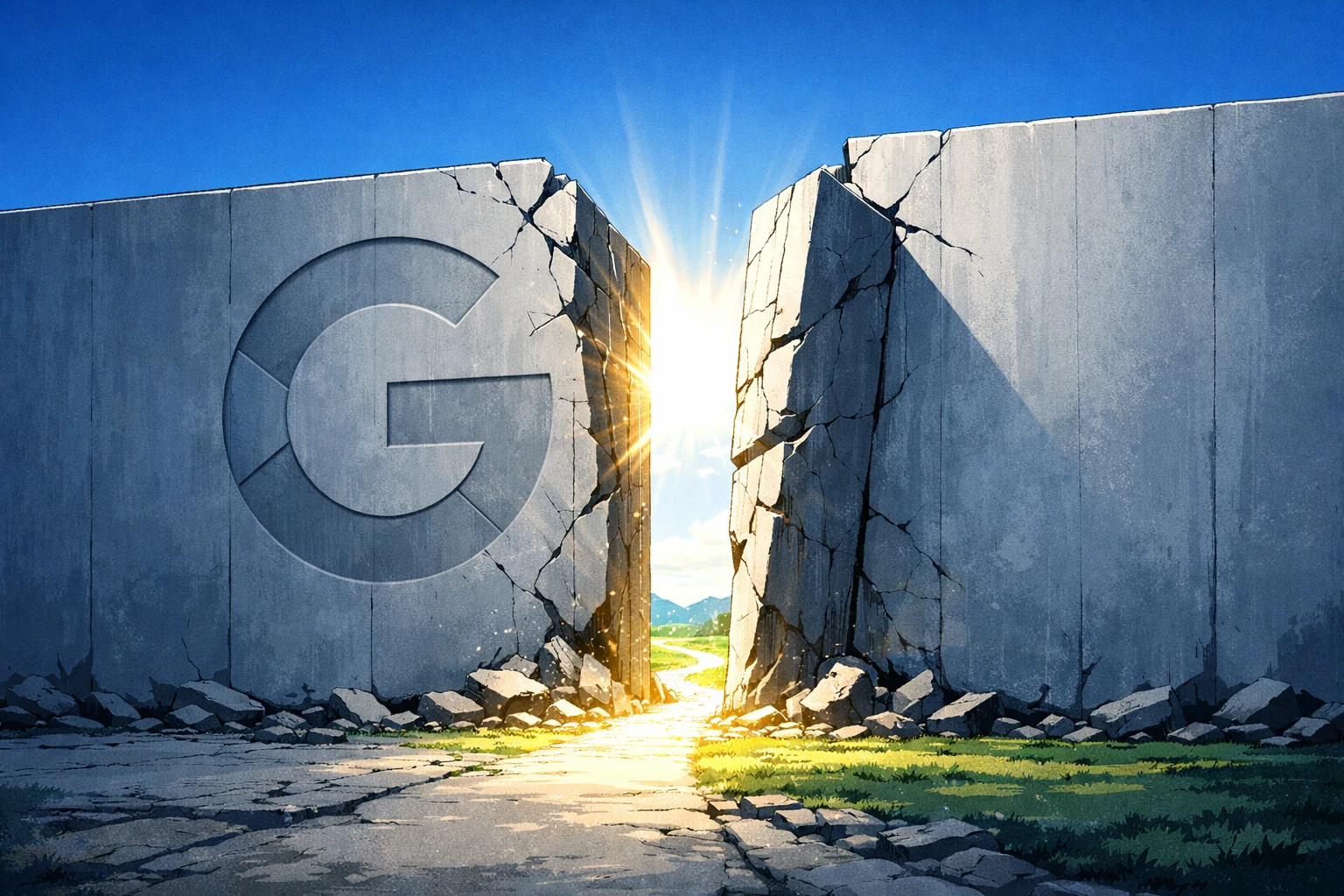
Google has announced a broad overhaul of the Android app ecosystem, cutting the standard Play Store commission from 30% to 20%. The change goes beyond pricing. It also reshapes how developers can accept payments inside apps and how third-party app stores can be installed on Android devices.
Lower service fees and subscription rates
Under the new structure, developers in the App Experience program or the Google Play Games Level Up program can qualify for a reduced 15% rate on new user installs. Recurring subscriptions will be charged at 10%. Developers that continue using Google Play billing must also pay a market-specific fee in the EEA, the UK, and the US, where that charge is set at 5% on top of the service fee.
Google is also loosening payment rules inside apps. Developers can now offer both Google billing and alternative payment methods within the same app, and they can direct users to complete purchases on their own websites. The source notes that Apple currently allows only in-app links that send users to a web payment page, making Google’s approach materially more permissive.
Certified third-party stores will get a smoother install flow
The company is also introducing a Registered App Stores program. Third-party app stores that meet specified quality and security standards can apply for certification. Once approved, those stores will receive a simplified installation interface within Android, removing repeated confirmation steps and the need for users to manually enable unknown-source permissions.
Participation is voluntary. Users will still be able to sideload app stores that do not join the program, but Google plans to adjust the sideloading process later in 2026, which could make that path more cumbersome. The source defines sideloading as installing apps outside the official store, typically by enabling unknown app installs and directly installing an .apk file.
Policy shift follows Epic case and regulatory pressure
The move comes after years of legal and regulatory pressure. Epic Games sued Google in 2020, accusing it of monopolizing app distribution. In November 2025, the two sides reached a settlement. Citing 9to5Google, the source says Google and Epic also signed an $800 million partnership agreement covering product development and Google’s use of Epic’s “core technology.”
Regulation in Europe added another layer of pressure. The source points to the EU’s Digital Markets Act and notes that Apple cut its fee to 17% in the region in 2025. Google’s rollout will happen in phases: the revised fee structure takes effect in the EEA, UK, and US on June 30, 2026, with the program launching on September 30; Australia follows on September 30; South Korea and Japan on December 31; and the rest of the world on September 30, 2027.
Large publishers stand to save more
Based on the source material, developers will benefit unevenly. Smaller studios already using lower fee tiers may see a more limited change, while mid-sized and large publishers generating several million dollars a year could realize more meaningful savings. Users, for their part, will get more payment choices and more app sources, though the increase in third-party stores may also widen security exposure beyond what Google Play Protect can fully cover.