
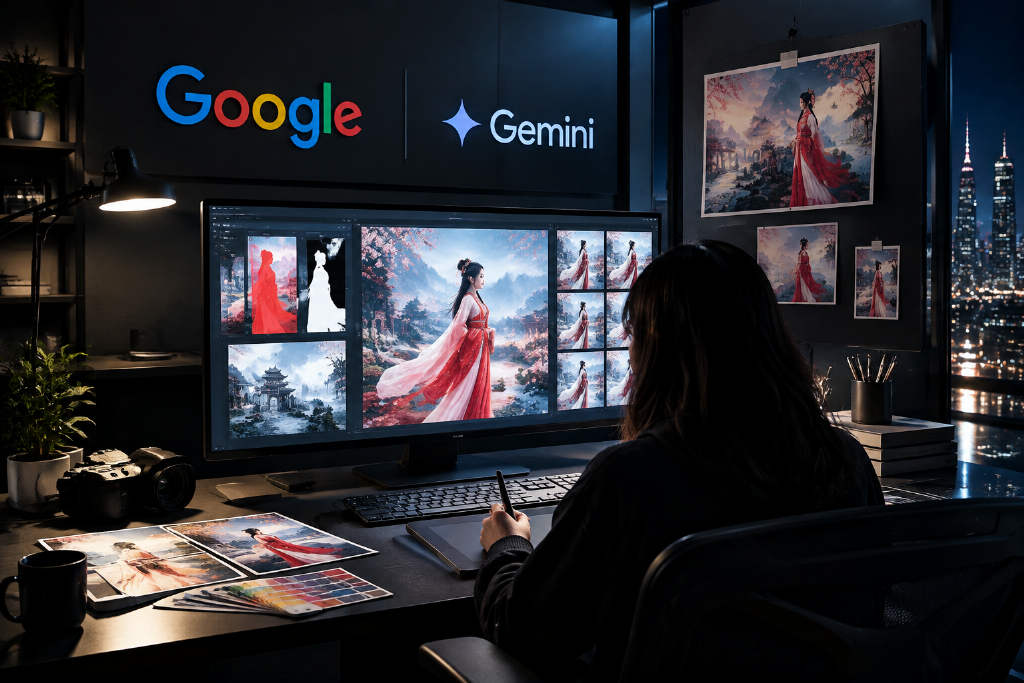
Google has rolled out Nano Banana 2.1, a new update to its image generation model. This version leans hard into visual design, mask editing, subject consistency, and images that look more like real life.

According to the source article, Nano Banana 2.1 can generate 4K images natively. It also handles editing jobs like retouching and one-click background swaps.
Arena scores moved higher from the previous version
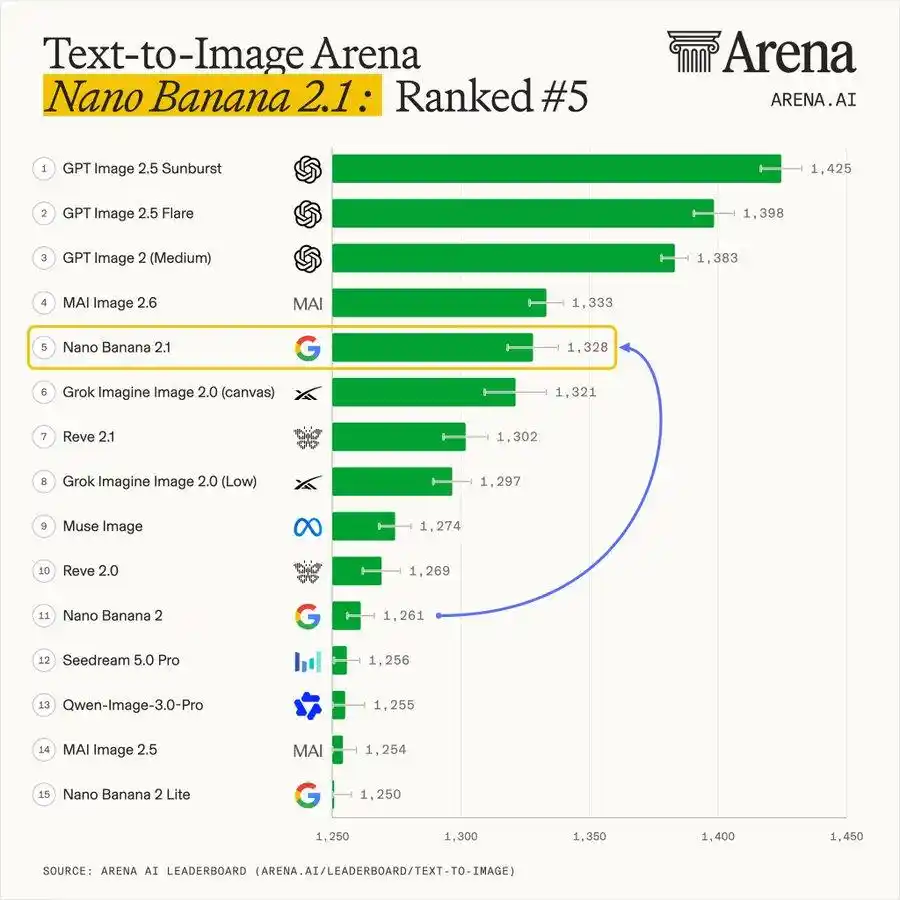
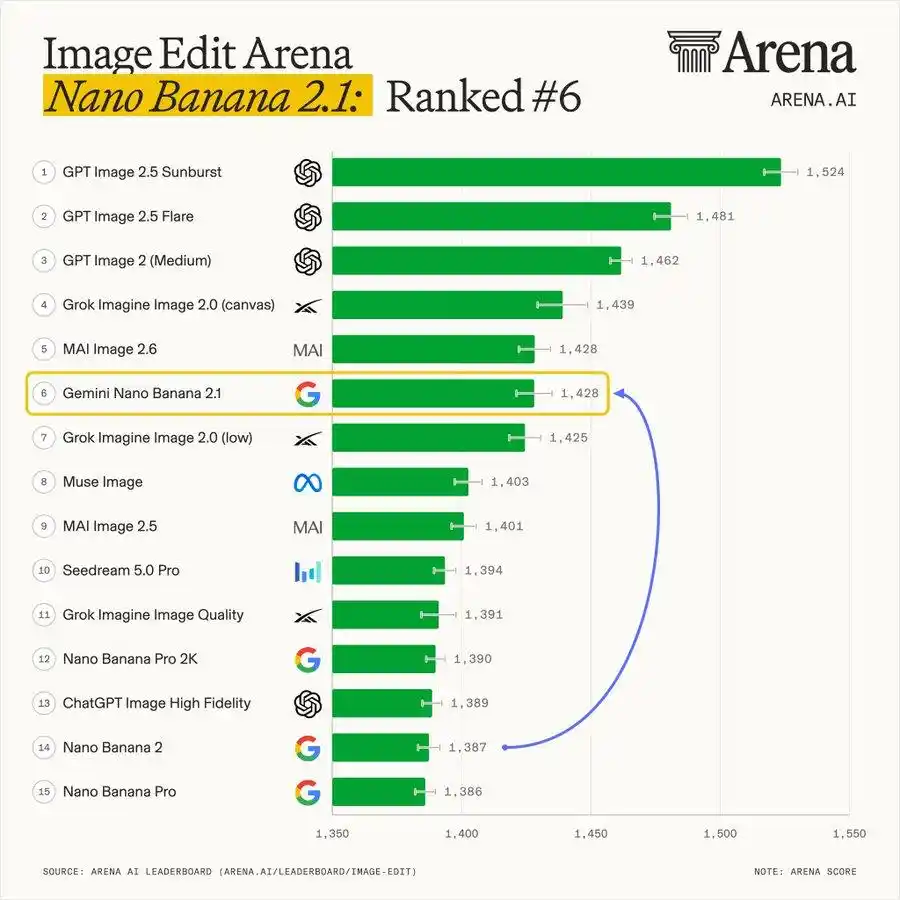
Figures cited from the U.S. AI testing platform Arena showed Nano Banana 2.1 beating Nano Banana 2 by an average of roughly 61.7 points across three categories: text-to-image, multi-image editing, and single-image editing.
- Text-to-image came in at No. 4, up 80 points from the prior generation, with only GPT ahead of it;
- Multi-image editing reached No. 5 with a score of 1328, a gain of 67 points;
- Single-image editing placed No. 6 with a score of 1428, up 38 points.
4K output and Chinese-language rendering drew attention
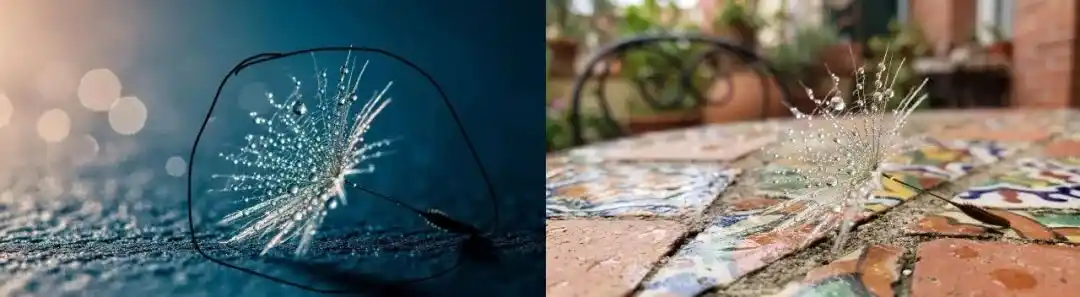
The piece pointed to tests by Christopher Fryant, who used the model for close-up image generation. In the examples described, Nano Banana 2.1 rendered fine detail in pupils, eyelashes, skin texture, and fabric. Fryant said, “It looks exactly like the shots from my DSLR camera. The cinematic vibe is unreal.”
And other users quoted in the article sounded impressed too. One translated reaction was: “It’s absolutely stunning, oh my god.”

Another test cited in the report came from designer @Guicang. Based on that hands-on review, Nano Banana 2.1 improved a lot in generating Chinese promotional posters, especially when it came to text clarity and fewer typos. The article said the results avoided text and image elements being scattered around, and they did not show the “fragmented” look seen in GPT-made images. The layouts were cleaner too, with support for one-click 4K generation.
API pricing was cut alongside the model update
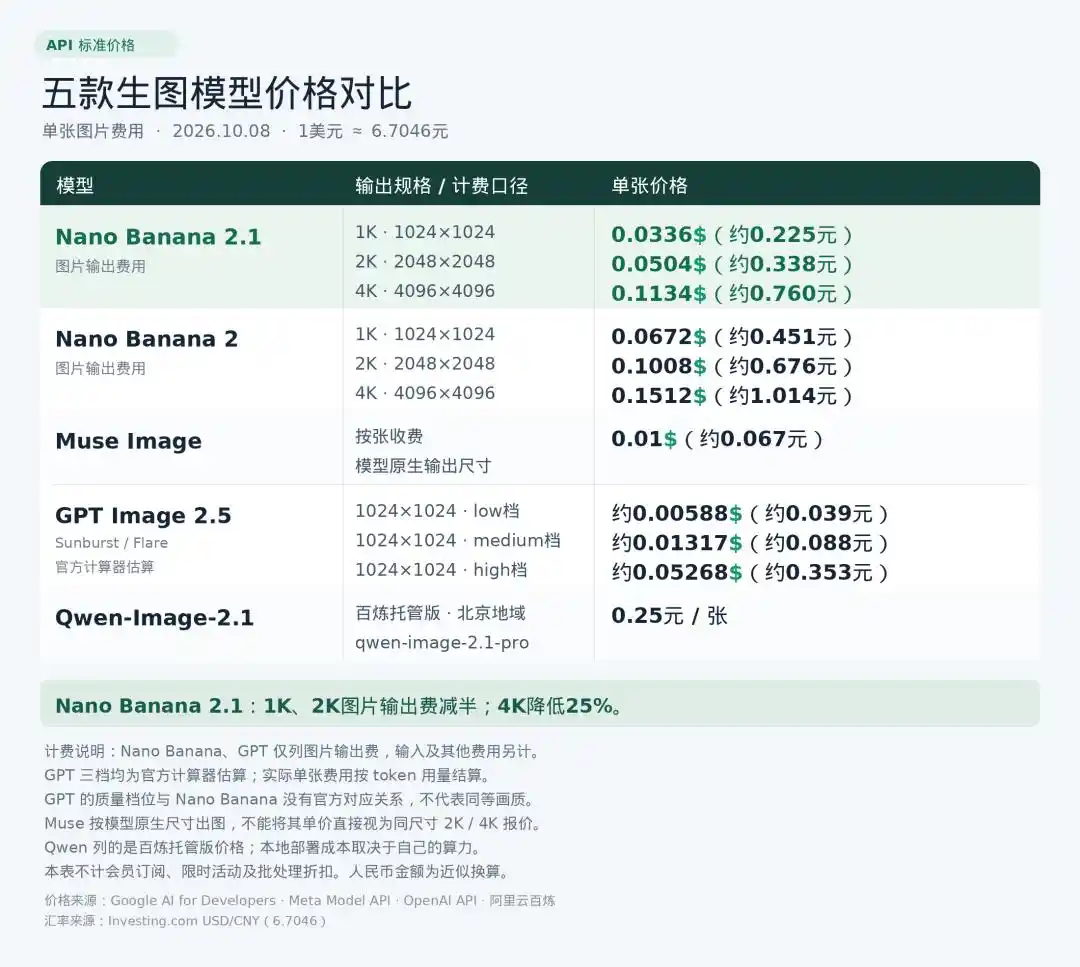
Google cut the API pricing for Nano Banana 2.1 as well. The source article said 1K and 2K image generation prices were slashed by half, while 4K generation became about 25% cheaper.

Nano Banana 2.1 is already live in the Gemini App and Google AI Studio, with Gemini 3.6 Flash serving as the base framework. The article said users currently get 50 credits a day.
Developers, meanwhile, can use the paid API under the model name gemini-nano-banana-2.1 for text-to-image, image-to-image, poster generation, and 4K upscaling.
Integration with Veo 3.1 and Google Flow was also highlighted
The report said user Heather Cooper took images made with Nano Banana 2.1 into Veo 3.1 for extra production work, then used Google Flow to create a high-definition short video. The article framed that as a workflow covering keyframe generation, consistent subject style, and final motion output inside the same platform stack.
Fast generation, but repeated edits still show weaknesses
The article also cited a comparison from user Zane between ChatGPT Images 2.5 and Nano Banana 2.1, built around a prompt involving Gemini at a train platform. Zane’s take, as quoted, was simple: Nano Banana 2.1 was faster, but it still lagged behind GPT on image texture and the overall polished finish.
Separately, users Stav Zilbershtein and snow said their testing suggested Nano Banana 2.1 may have a watermark bug. The article said the model can do well on the first edit. But after repeated changes, watermark artifacts may pile up and slowly drag down image quality, bringing in noise, color drift, and texture distortion, even in parts of the image that were not supposed to be altered.
So for workflows that depend on ongoing image editing, the report says that issue is still unresolved.
References and source attribution
The article included three reference links: a post from the Nano Banana account on X, an Arena post on X, and a Google Flow support page.
- https://x.com/NanoBanana/status/2107521202466046453
- https://x.com/arena/status/2107576893973344578
- https://support.google.com/flow/answer/16526234?hl=en
The original article was credited to the WeChat public account Quantum Bit, written by Wenting, and republished by MarsBit.