

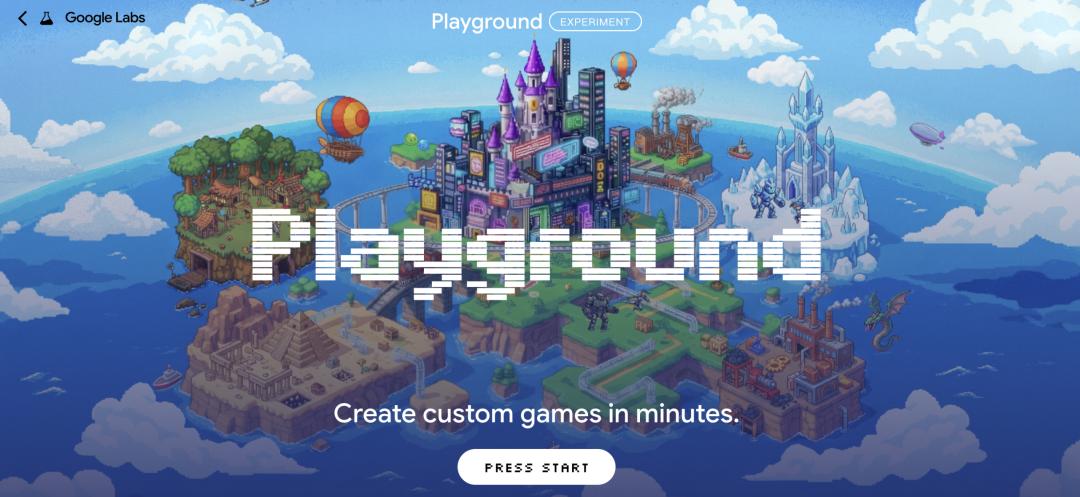
Google has rolled out Playground, an experimental gaming platform that lets users generate playable games through natural-language prompts. The company says users do not need to write code, prepare assets in advance, or build a development environment before getting started. Playground supports both 2D and 3D game creation.
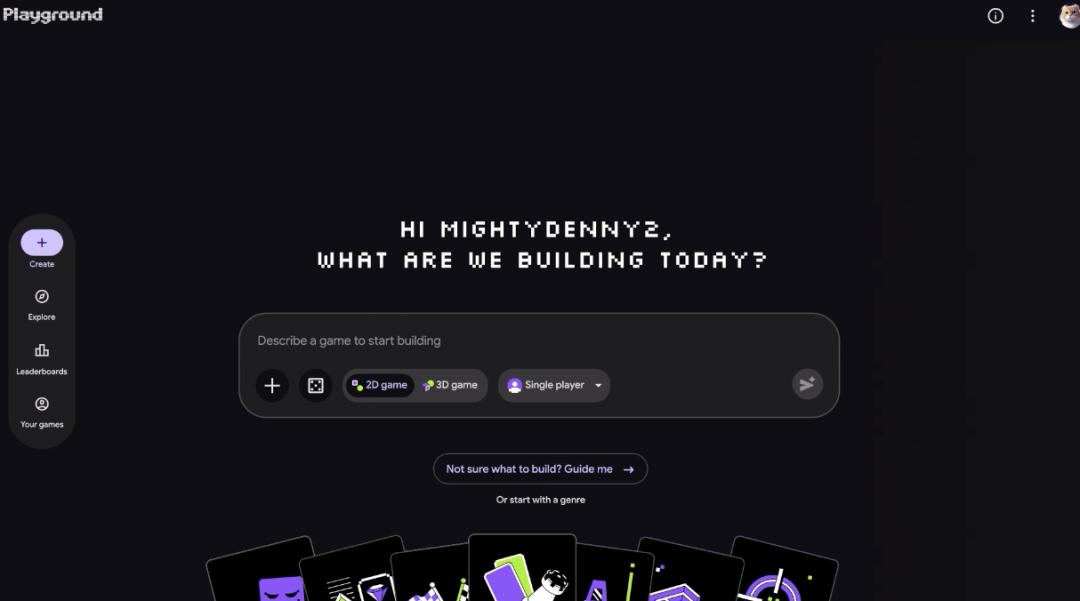
A chat box sits at the center of the workflow
As described in the source article, Playground does not resemble a traditional game engine in the way users enter and shape ideas. Its main interface is a dialogue box. Users can begin with a blank concept, rework a starter prompt, or let the system guide them step by step as they refine an idea.

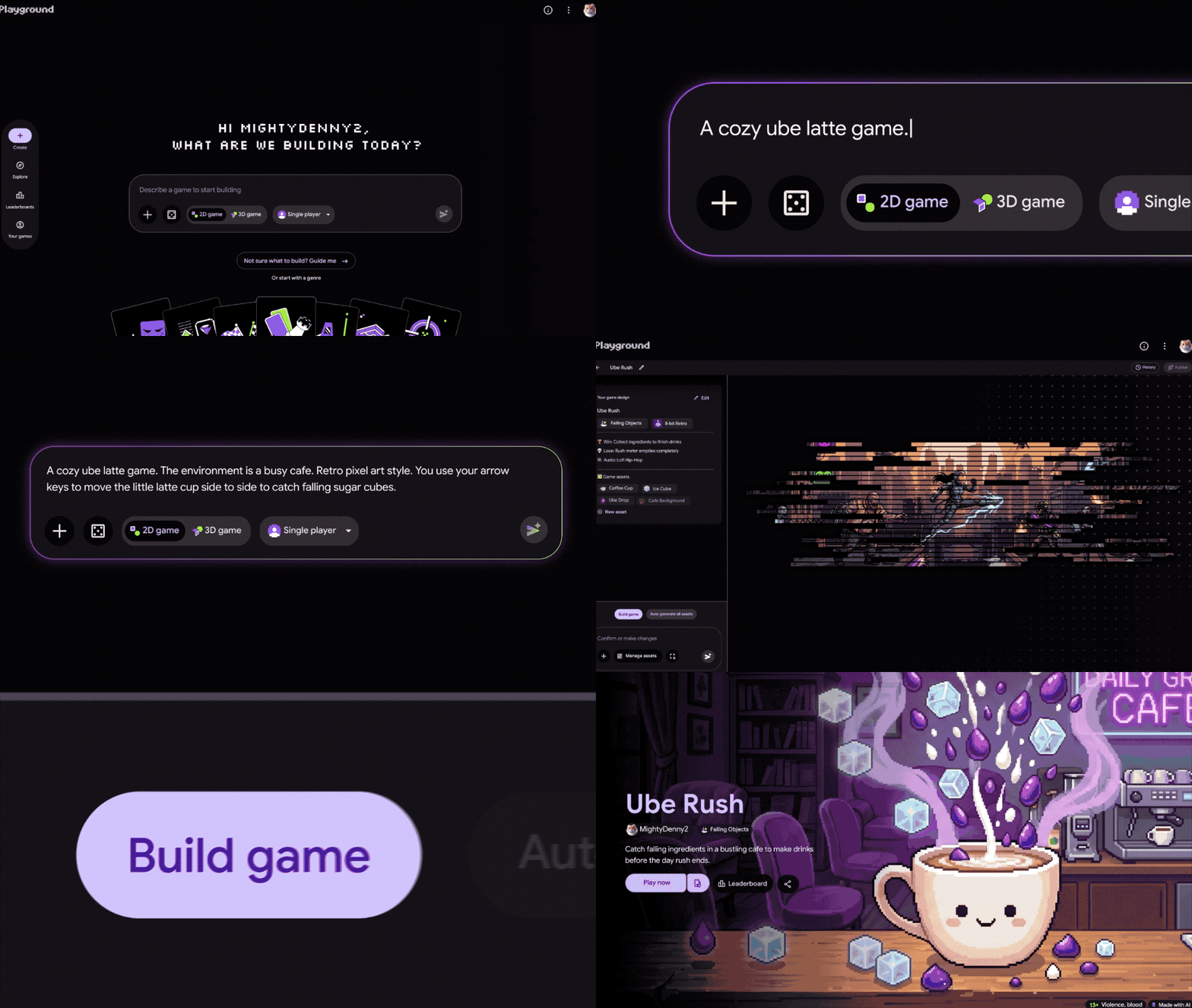
The platform can turn text instructions into something immediately playable. One example in the article describes uploading a photo of a pet cat and telling the AI how the game should work, turning the cat into the main character. Another example shows Playground building a retro pixel-style mini-game around a purple sweet potato latte shop, where players control a cup of latte moving left and right to catch falling sugar cubes.
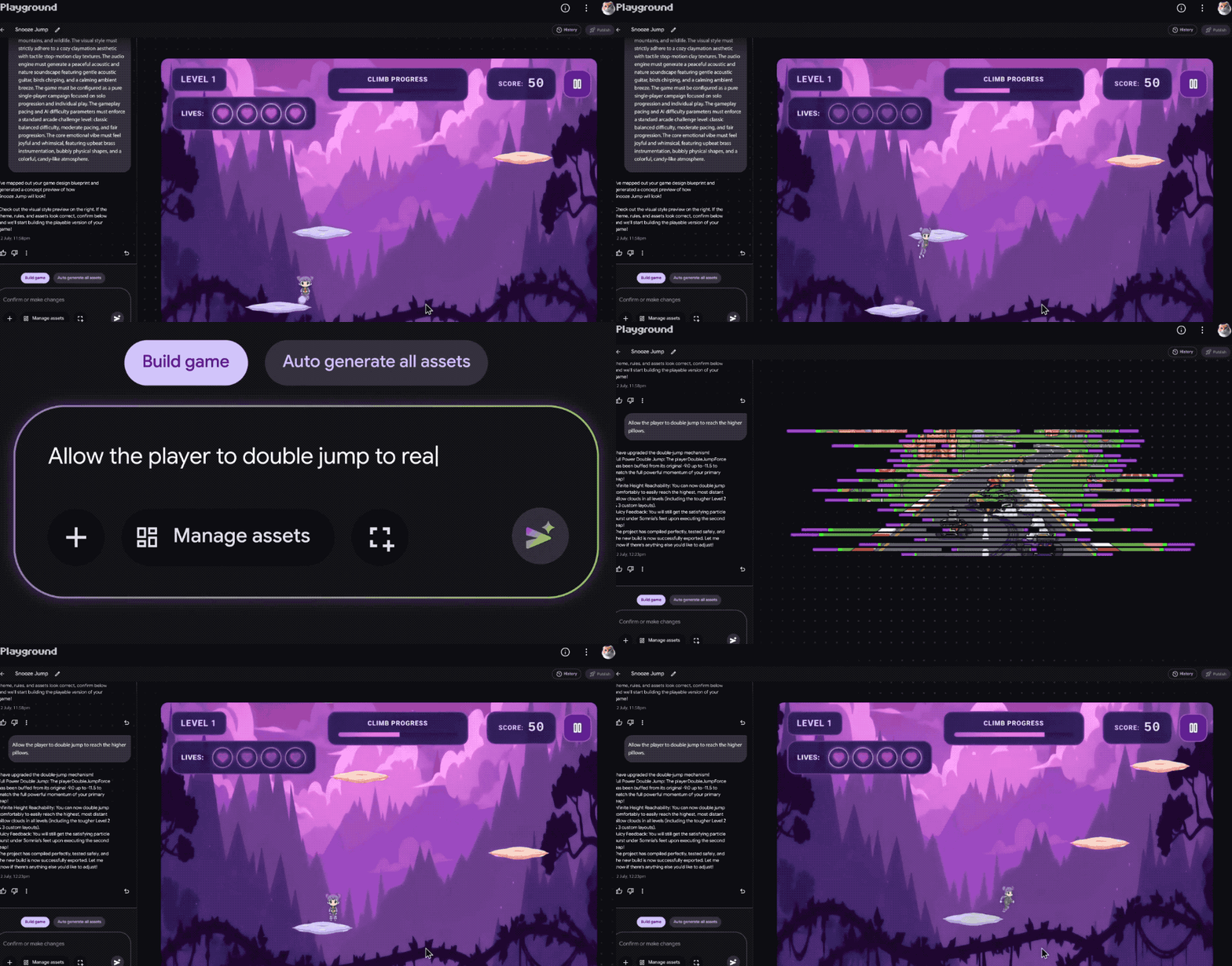
Once a game is generated, it can be played right away. Users can then revise it in the same chat flow. If a character does not jump high enough, they can ask for a higher jump. If the game feels too easy, they can add obstacles or change win and loss conditions. If the map gets stale, they can ask the AI to redesign the environment.
Game rules, physics behavior, characters, and environments can all be changed with additional natural-language instructions, according to the article.
Publishing, sharing, and some multiplayer support
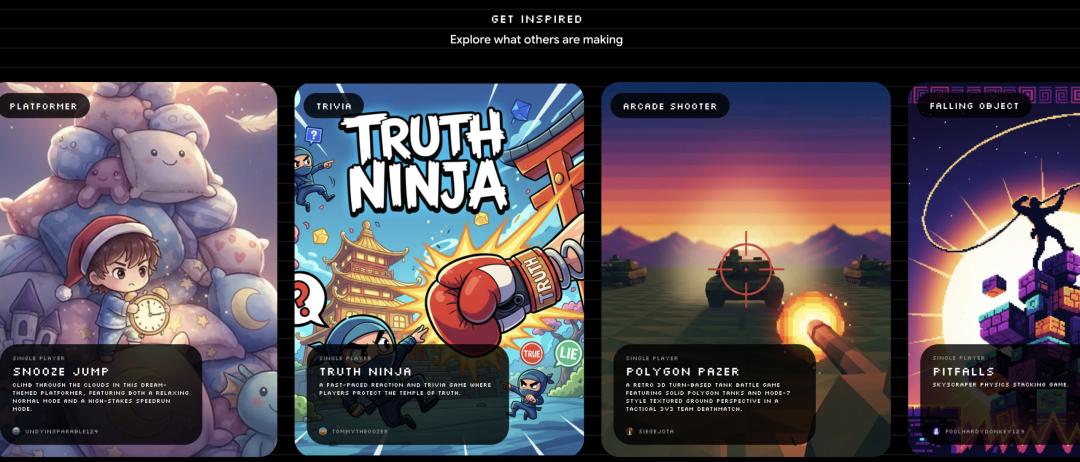
Google has also created a dedicated showcase area called Playground Explore. Users can publish games they make inside the community and share them with friends through direct links, allowing others to open and play them immediately.

Playground is also connected to Google Play Games. Users can set a game nickname, like games, and follow creators. Some game types support multiplayer play and leaderboards. The community recommendation system highlights titles that perform well based on player ratings and play activity.
Gemini, Nano Banana, and Lyria power the system
Google said Playground brings together Gemini, Nano Banana, and Lyria. It also uses a custom harness developed by Google and has been refined through internally produced games and evaluations.
In that setup, Gemini handles language and code-related tasks, Nano Banana is used for image generation and editing, and Lyria generates music. The article describes Playground as part of Google’s effort to combine its existing generative AI capabilities into a system aimed at game creation.
Google and Unity also unveiled Unity Spark
Alongside Playground, Google and game engine company Unity announced a partnership around a new product called Unity Spark. Based on the current plan disclosed by the two companies, Unity Spark will enter closed beta later this year.
Unity Spark is expected to keep the natural-language game creation approach used in Playground while adding more professional development capabilities, including complex game mechanics, high-fidelity 3D, and Unity Runtime. Games made with Unity Spark are also expected to be shareable and playable through Playground.
Unity CEO Matt Bromberg on AI-made games
Matt Bromberg, CEO of Unity, used a literary comparison when discussing AI game creation. He said, "Having AI recreate an existing game will not make you the next Hideo Kojima. It is like retyping War and Peace and expecting to become Tolstoy."
He also said some games look rough but keep players engaged for hundreds of hours, while others arrive with polished visuals and complete mechanics yet lose players after only a couple of rounds. In the framing used by the article, a game may now be generated with a single sentence, but praise still cannot. Hit games still depend on imagination and creative drive.
Referenced sources
- Google Blog: Playground experimental gaming platform
- Unity Blog: Why we built Unity Spark
- Original Chinese article credited to the WeChat account Quantum Bit, written by Wen Le