


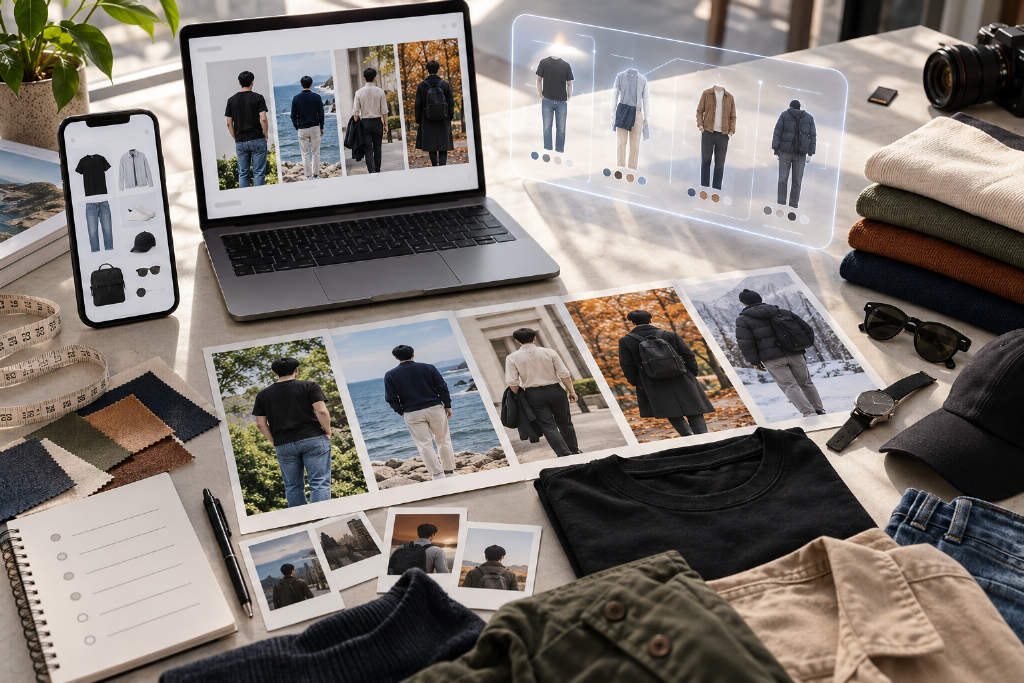
AI creator Rowan Cheung has shown a personal styling workflow built with GPT-6 Astra that, according to the original article, can turn a few photos, body measurements and clothing preferences into a year-round OOTD planner.
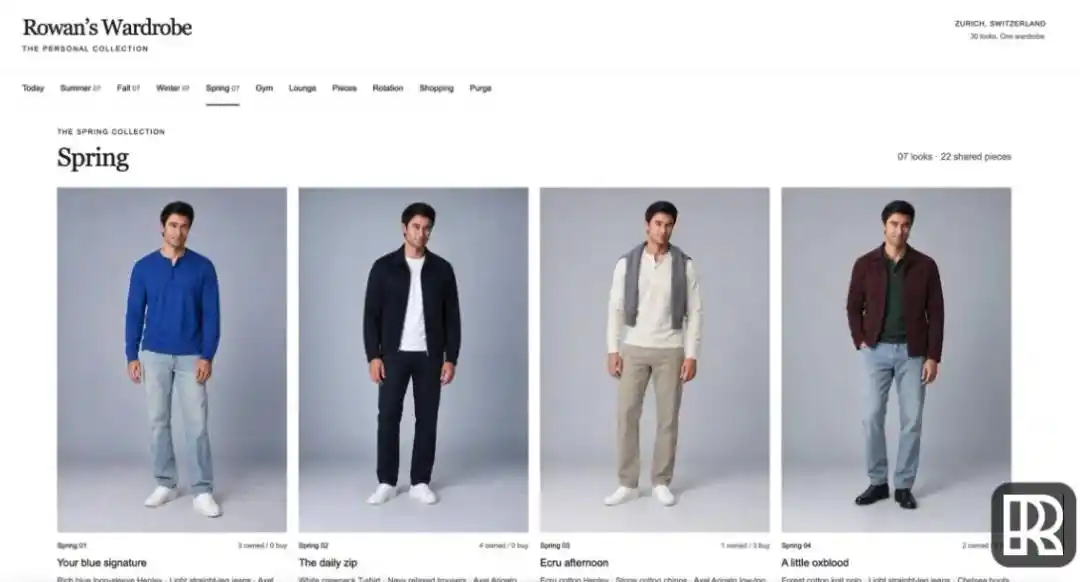
The MarsBit piece, citing an article from QbitAI, said the output looked like a seasonal fashion catalog from a brand website, with every model image featuring Cheung himself. Cheung joked that his coworkers would no longer complain about him wearing the same black T-shirt every day.
A workflow the article said could extend beyond personal styling
The report argued that the same method could be used to run a fashion-focused social media account. Instead of buying more clothes or setting up mirrors and shoots, a user could upload photos of a few items and generate 30 outfit combinations in one minute. The article also floated a broader e-commerce use case, saying photography, models and locations could all be reduced, and that product presentation might be created even before a full physical wardrobe is assembled.

Reaction in the comments was described as enthusiastic. Some users called it the kind of AI use case they had been waiting for, while others said it was the first time they had seen such a complete application. One feature that drew particular praise was the wardrobe cleanup function.
According to the article, Cheung posted the full development prompt and operating process in the comments here: https://app.therundown.ai/community/posts/2634f78f-4c06-4c59-968a-41e138d740f8.
QbitAI’s author said a similar setup could be built in three steps
The author of the QbitAI article said they built a similar workflow and described the process as simple, requiring three steps.

First, the user generates a model image based on personal body data.
Second, the user copies the long prompt Cheung shared and adds details such as city and preferred style. The article said GPT-5.6 sol was sufficient in testing and that GPT-6 Astra was not strictly necessary. It also noted that version 5.6 finished the task in one hour after 6 Astra had spent a day without completing it.
At that stage, the workflow was already functional, though the clothing shown on the page was still generated by GPT itself. The author joked that the default style looked as if it had been tailored to local commuting fashion in Beijing’s Haidian district.

Uploading existing items changed the output into a wardrobe planner
To make item extraction easier for the model, the author used product images from Taobao purchase pages. Those uploads included clothes already bought as well as several items planned for the Double 11 shopping period, with the goal of checking how many outfits those purchases could support before buying them.
In the finished version, the homepage was described as reading real-time weather and selecting one OOTD from preset combinations. A menu section listed seasonal outfit plans, the items needed for each look and full references for the set.
The article showed examples for autumn, spring and winter. It said spring combinations were more lively in color and visual tone even when temperatures were close to autumn.

A rotation function also laid out what to wear over the next two weeks. The author joked about becoming a full-time at-home fashion creator and starting an account on a major red-themed social platform with a series titled what I wear during a week of autumn in Beijing.
Each outfit also came with a list of required items, and every item was marked with the number of outfit sets it could join. In the author’s test, the two most versatile pieces turned out to be a pair of shoes. The article framed that as a practical way to avoid buying clothes blindly.
Cleanup lists and personal style profiles were part of the system
The article said users could also import clothes they were considering buying and check whether those items would work with what they already owned.

Items that failed to fit into any outfit combination were placed in a cleanup section. The site also generated a personal styling profile that included height, body type, daily use scenarios and preferred style, all of which fed into later recommendations.
Not every reaction was positive. One concern raised by users was practical wardrobe tracking: how would the system know which clothes needed washing and which were clean. The article also mentioned people who tried the workflow themselves and shared their own results. It then returned to Cheung’s habit of wearing the same black T-shirt, joking that if he already had a uniform, generating 30 outfits with AI might not actually reduce decision fatigue.
The article also collected other GPT-6 Astra experiments
Beyond the styling workflow, the report listed several other GPT-6 Astra use cases:
- One user built an Apple Health-like app in 13 minutes after deciding Apple Health was hard to use.
- Another took a photo of a bookshelf and had GPT-6 Astra create a digital bookshelf that could search titles and jump directly to Goodreads.
- One example recreated an apartment as a game-like environment. Clicking a laptop opened a to-do list, clicking books linked to Goodreads reading records, and even the user’s dog appeared in the virtual space.
- Developer Sourish Sharma used GPT-6 Astra to process a 3D model and print a life-size replica of his brain.
- Another example described GPT-6 Astra being connected to a Toyota Corolla and driving to In-N-Out for burgers. The article noted that the image in that case was AI-generated.
- In a separate project, GPT-6 Astra was used inside Unreal Engine to generate a world populated by AI residents. One of those residents then sat at a computer and began writing its own simulated world, which itself contained another group of AI residents.
References and attribution
The original article listed the following references:
- [1] https://app.therundown.ai/community/posts/2634f78f-4c06-4c59-968a-41e138d740f8
- [2] https://x.com/PaulSolt/status/2095604728683958295
- [3] https://x.com/LinusEkenstam/status/2096522326393192842
- [4] https://louisedesadeleer.substack.com/p/i-turned-my-apartment-into-a-video
- [5] https://x.com/sourishsharma17/status/2099981891512242496
- [6] https://www.wired.com/story/ai-is-driving-cars-now-oh-boy/
- [7] https://x.com/mattshumer_/status/2096034353344139519
The piece was originally published on the WeChat account QbitAI, authored by Cheng Qian, and republished by MarsBit. MarsBit showed the publication time as 2026-10-26T04:16:48.000Z.