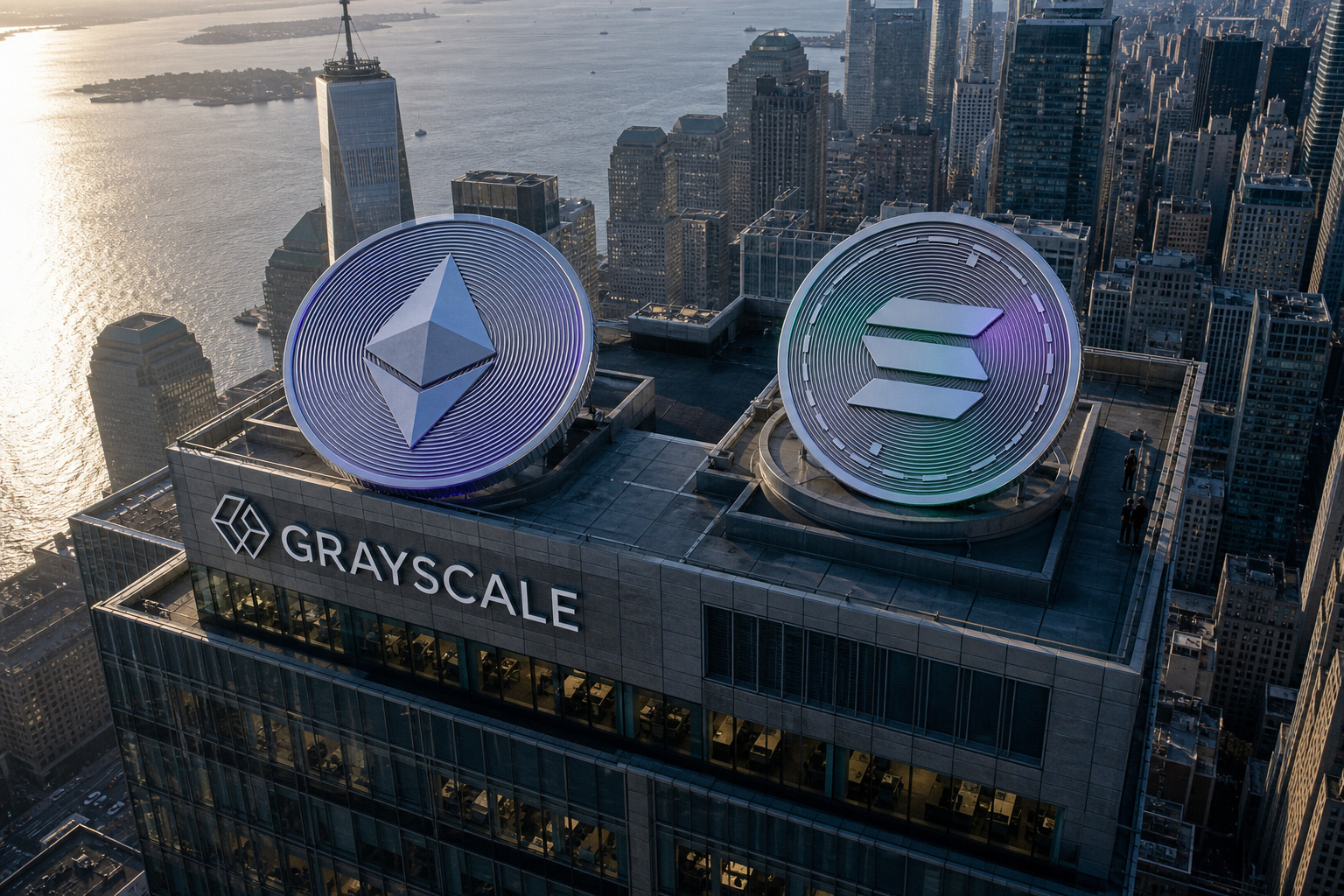
Grayscale research head Zach Pandl said the Ethereum and Solana communities are discussing tokenomics changes that could reduce the annual inflation rates of ETH and SOL, slowing future supply growth. In his view, if all else stays the same, a slower pace of issuance could support token prices.
Grayscale estimates that if the proposed adjustments are adopted, Ethereum’s annual supply inflation rate could fall to about 0.4% by the end of 2031, putting it close to Bitcoin, while Solana’s could decline to roughly 1.1%. For comparison, Pandl cited annual gold supply growth of about 1.8% and U.S. CPI inflation of about 3.3%.
He added that the Solana proposal appears to have broader consensus in its community, making implementation more likely. Pandl also noted that because staking rewards are mainly funded through new token issuance, any reduction in issuance would lower the number of tokens distributed to ETH and SOL stakers. Holders who do not stake may benefit if lower supply growth increases scarcity and adds upward pressure to prices, while the outcome for stakers would depend on the balance between reduced rewards and any potential price appreciation.
On Aug. 14, BlockBeats reported that Grayscale research head Zach Pandl said the Ethereum and Solana communities are discussing changes to their tokenomics models. The proposed code adjustments could reduce the annual inflation rates of ETH and SOL and slow future token supply growth.
Pandl said that, all else being equal, slower supply growth could support token prices.
Grayscale projects lower inflation rates by the end of 2031
Grayscale estimates that if the changes are implemented, Ethereum’s annual supply inflation rate would fall to about 0.4% by the end of 2031, a level Pandl said would be close to BTC. SOL’s annual inflation rate would be about 1.1%.
For comparison, he said annual gold supply growth is about 1.8%, while U.S. CPI inflation is about 3.3%. The proposals are still under discussion in their respective communities.
Solana proposal appears to have broader support
According to Pandl, the Solana-related proposal appears to have broader consensus, which makes it more likely to be implemented.
He also said that if the proposals pass, ETH and SOL stakers would receive fewer tokens because staking rewards mainly come from newly issued supply. Pandl added that lower supply could increase scarcity and create upward pressure on prices, which may benefit holders who do not stake their ETH or SOL. For stakers, whether they benefit would depend on the net effect between reduced staking rewards and any potential increase in token prices.
This article was originally published by Bit.Fan. For more cryptocurrency news and market insights, visit www.bit.fan. Disclaimer:
The market information, project data, and third-party content displayed on this platform are for industry information sharing only and do not constitute any form of investment advice or return commitment.
Cryptocurrency trading carries high risks. Users should fully assess their risk tolerance and make independent decisions. All profits, losses, and legal responsibilities are borne by the users themselves.