
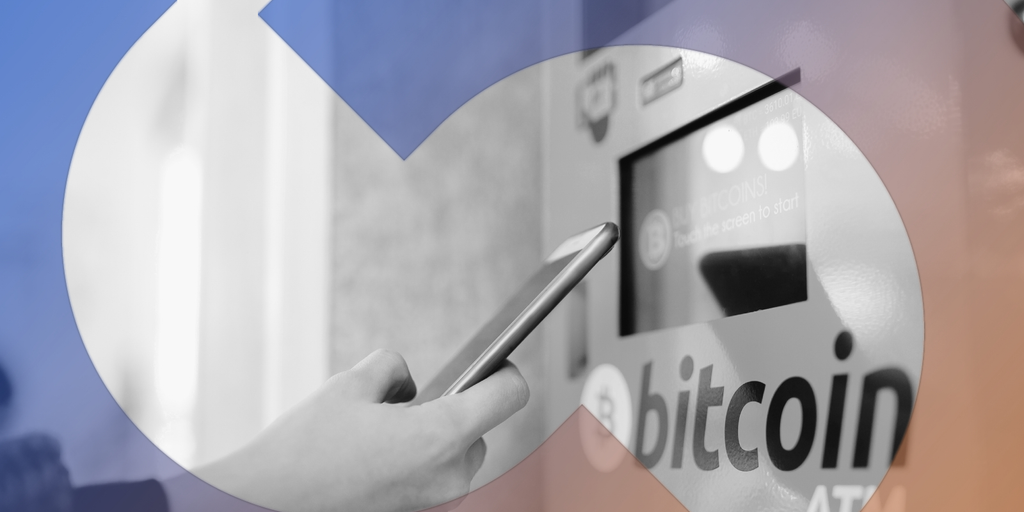
Hawaii will make it illegal to run a crypto kiosk that accepts cash from customers to buy digital assets starting Oct. 1, under Act 224 signed by Governor Josh Green on July 9.
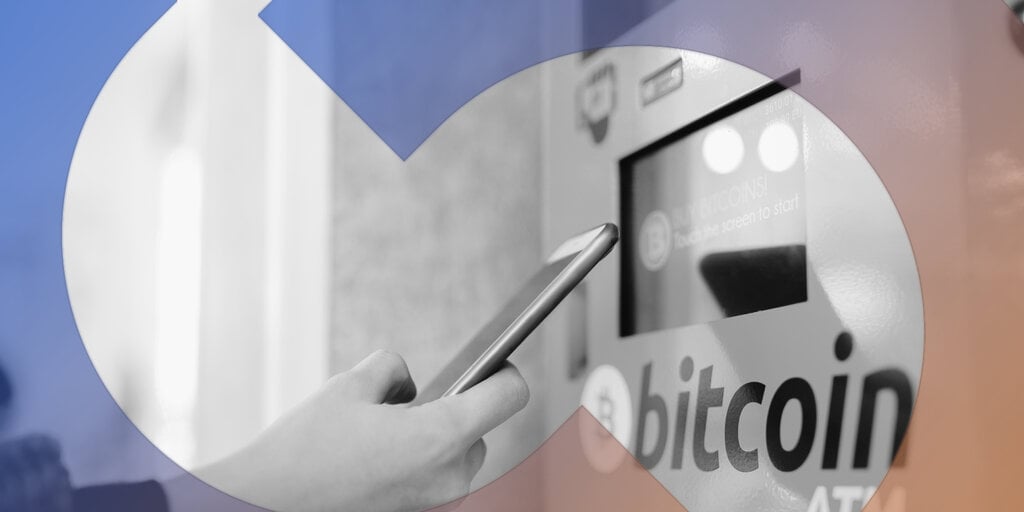
The law adds a new section to the state’s consumer protection statute. It says an operator may not own, operate, or manage a kiosk in Hawaii that “accepts United States currency from a customer in exchange for a digital financial asset.” Each prohibited transaction counts as a separate offense.
The machines are not being shut down
The measure does not ban crypto kiosks entirely. The enacted text says nothing in the section bars an operator from running a kiosk that accepts a digital asset in exchange for a different digital asset, or one that accepts a digital asset in exchange for U.S. currency.
In practical terms, customers can still use a kiosk to sell crypto and receive dollars. What they will no longer be allowed to do is feed cash into a machine to buy crypto.
Lawmakers focused on scams targeting older adults
That distinction tracks the conduct lawmakers were trying to stop. A committee report said the machines are “increasingly being used in scams targeting older adults,” with victims persuaded to transfer cryptocurrency to wallet addresses controlled by scammers.
The same report cited investigations by the attorneys general of Washington, DC and Iowa, which found that more than 93% of the kiosk transactions they examined were scam transactions. Because consumers have other ways to access digital assets, the committee concluded that banning purchases through the kiosks was appropriate.
Complaints and losses in Hawaii climbed
The FBI’s Internet Crime Complaint Center logged 92 kiosk-related complaints from Hawaii residents in 2025, with adjusted losses of $3.85 million. That was close to four times the previous year’s figure. Across the state, the FBI recorded 826 crypto complaints overall, totaling about $80 million.
Hawaii banking commissioner Dwight Young told Hawaii News Now that the machines appeal to criminals because they are anonymous and hard to trace. He said the schemes often begin with an unsolicited phone call, text message, or email claiming that a bank account has been compromised or that the recipient missed a jury summons.
Staff working near the kiosks also told the state’s consumer affairs department that most users were kupuna, or elders, and that they often appeared panicked or frightened.
About 57 machines operate across four islands
CoinATMRadar lists around 57 crypto ATMs across four Hawaiian islands.
Other states are moving in a similar direction. Texas lawmakers are weighing a ban after kiosk scams cost residents $57 million, and Delaware has advanced its own bill.