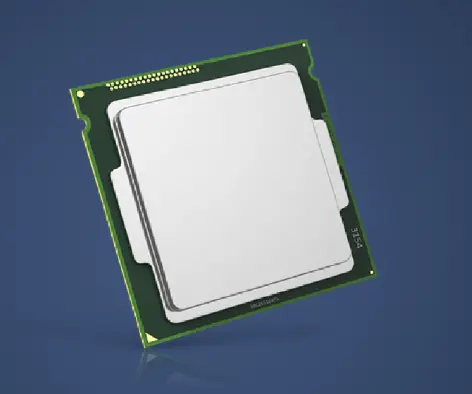
TOTO, traditionally known for its sanitary ware, has emerged as a surprising beneficiary of the AI boom. Its semiconductor precision ceramics business now contributes the majority of its profits, driving a significant stock price surge. This pattern is echoed by Nittobo and Ajinomoto—Japanese companies that hold critical positions in the AI supply chain without being labeled as tech giants.

Nittobo, a major producer of glass fiber and electronic materials, and Ajinomoto, famous for seasonings but also a key supplier of ABF (Ajinomoto Build-up Film) used in advanced semiconductors, are both reaping rewards from AI-related demand. The scarcity of these specialized materials and components amplifies their leverage in the market.

In China, a parallel trend is unfolding in the A-share market. Domestic substitution policies and supply-demand gaps in semiconductor materials and precision components are opening new avenues for local companies to capture value previously held by foreign suppliers. Investors are increasingly eyeing these 'hidden AI winners' as the AI infrastructure buildout intensifies globally.

These developments highlight that AI's impact extends far beyond chip designers and hyperscalers—it penetrates deep into traditional manufacturing sectors, where decades of technical expertise now command premium valuations.