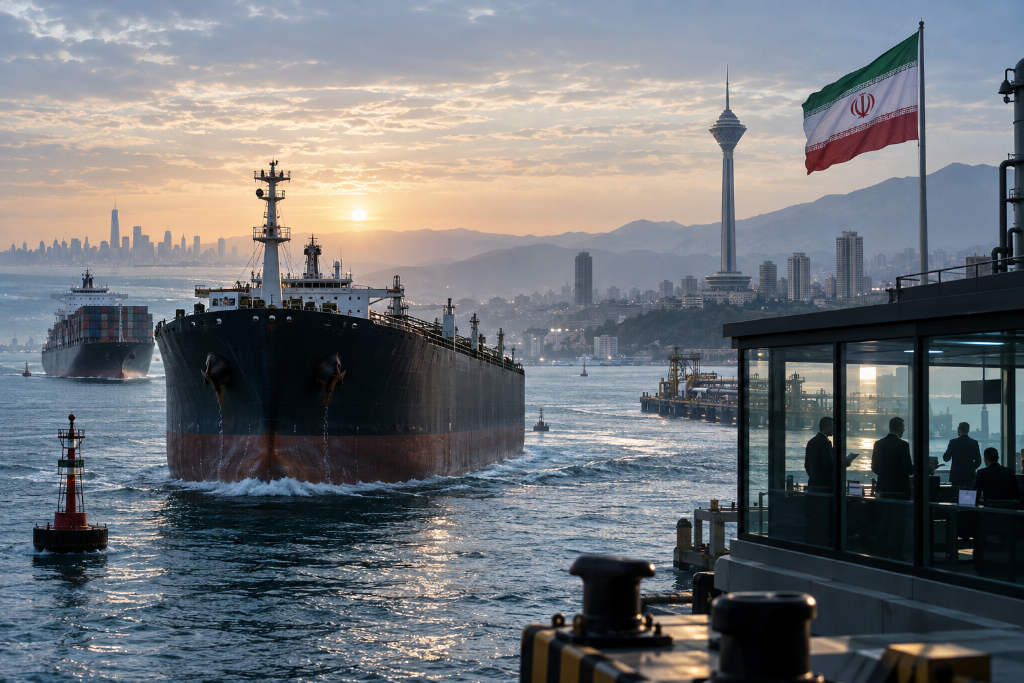
Talks between the United States and Iran in New York have moved beyond initial diplomatic contact and into a more technical phase, according to Al Jazeera. Nour Deghail, Al Jazeera’s Tehran bureau chief, said technical experts joined the discussions after a first round of meetings involving U.S. envoy Steve Witkoff and Jared Kushner. The report said the Iranian delegation had initially been denied visas by the U.S. government, but was later allowed to enter and take part in the negotiations. Qatar has continued to serve as a mediator between the two sides for months. Al Jazeera reported that Iran is pushing a "7-day plan" under which it would reopen the Strait of Hormuz if the United States lifts its blockade on Iran. The proposal is described as a faster version of an earlier 60-day negotiation process, aimed at bringing both sides back to direct talks over Iran’s nuclear issue. Current discussions also cover sanctions relief, easing restrictions on oil exports, unfreezing Iranian assets, and possible future arrangements for managing the Strait of Hormuz, including whether Iran and Oman could restore some form of joint administration within a framework involving the United States and regional countries, as well as rules for U.S. naval passage.
Talks between the United States and Iran in New York have shifted from initial diplomatic contact to a deeper technical phase, according to Al Jazeera.
Nour Deghail, Al Jazeera’s Tehran bureau chief, said technical experts joined the follow-up discussions after a first round of meetings involving U.S. envoy Steve Witkoff and Jared Kushner. The report added that the Iranian delegation had initially not received visa approval from the U.S. government, but was later permitted to enter the country and join the talks.
Qatar has been serving as a mediator between Washington and Tehran for months. Al Jazeera reported that Iran is advancing a "7-day plan": if the United States lifts its blockade on Iran, Tehran would reopen the Strait of Hormuz. The proposal is seen as an accelerated version of a previously discussed 60-day negotiation process, with the aim of bringing both sides back to direct talks over Iran’s nuclear issue.
The core issues now under discussion include lifting sanctions, easing restrictions on oil exports, unfreezing Iranian assets, and future arrangements for managing the Strait of Hormuz. That includes whether Iran and Oman could restore some form of joint administration within a framework involving the United States and regional countries, as well as rules governing passage for U.S. vessels.
Deghail said that while differences remain between the two sides, sources in Tehran believe the negotiations are making some progress. The talks are still continuing, and Qatar is working to narrow the gap.
This article was originally published by Bit.Fan. For more cryptocurrency news and market insights, visit www.bit.fan. Disclaimer:
The market information, project data, and third-party content displayed on this platform are for industry information sharing only and do not constitute any form of investment advice or return commitment.
Cryptocurrency trading carries high risks. Users should fully assess their risk tolerance and make independent decisions. All profits, losses, and legal responsibilities are borne by the users themselves.