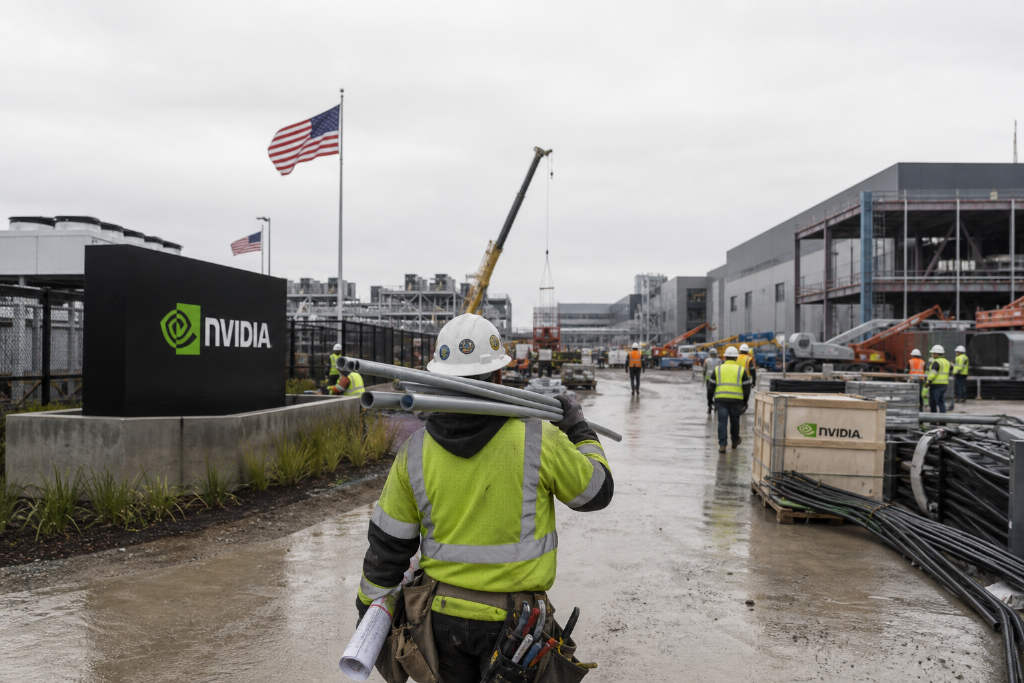
NVIDIA CEO Jensen Huang said the AI boom will not only eliminate some jobs but also create "hundreds of thousands" of new ones, with electricians, plumbers, carpenters, technicians and other skilled trades expected to benefit. Huang said construction tied to chip plants, packaging facilities, data centers and "AI factories" is driving a sharp increase in demand in the United States for workers who can "build things with their hands." He added that technology shifts typically reshape employment rather than simply erase it, saying some roles disappear while many new ones emerge. Huang also said white-collar jobs are unlikely to vanish in the near term, while AI infrastructure buildout could bring a boom to skilled trades. According to the report, the US could face about 2.1 million unfilled skilled trade positions by 2030, including roughly 130,000 additional electrician roles. Data center construction is also expanding labor demand quickly, with QTS expecting the number of workers at its project sites to rise from about 10,000 in 2025 to 40,000 by the end of 2026.
On Sept. 1, BlockBeats reported that NVIDIA CEO Jensen Huang recently said the AI revolution will not only erase some jobs but also create "hundreds of thousands" of new ones, especially for electricians, plumbers, carpenters, technicians and other skilled trade workers.
Huang said ongoing construction of chip plants, packaging facilities, data centers and "AI factories" will sharply increase US demand for workers who can "build things with their hands." In his view, technological revolutions tend to reshape the job market: "Some jobs will be eliminated, but many new jobs will also appear."
He also said white-collar roles are unlikely to disappear in the short term, while AI infrastructure buildout will support a boom in skilled trades. Huang had previously described AI infrastructure construction as one of "the largest infrastructure buildouts in human history."
According to the report, the US could have about 2.1 million unfilled skilled trade jobs by 2030, including roughly 130,000 additional electrician positions. At the same time, data center construction is rapidly expanding labor demand. QTS expects the number of workers at its project sites to increase from about 10,000 in 2025 to 40,000 by the end of 2026.
As data centers, power systems and cooling facilities keep expanding, a shortage of skilled trade workers could become a key bottleneck for further growth in the AI industry.
This article was originally published by Bit.Fan. For more cryptocurrency news and market insights, visit www.bit.fan. Disclaimer:
The market information, project data, and third-party content displayed on this platform are for industry information sharing only and do not constitute any form of investment advice or return commitment.
Cryptocurrency trading carries high risks. Users should fully assess their risk tolerance and make independent decisions. All profits, losses, and legal responsibilities are borne by the users themselves.