
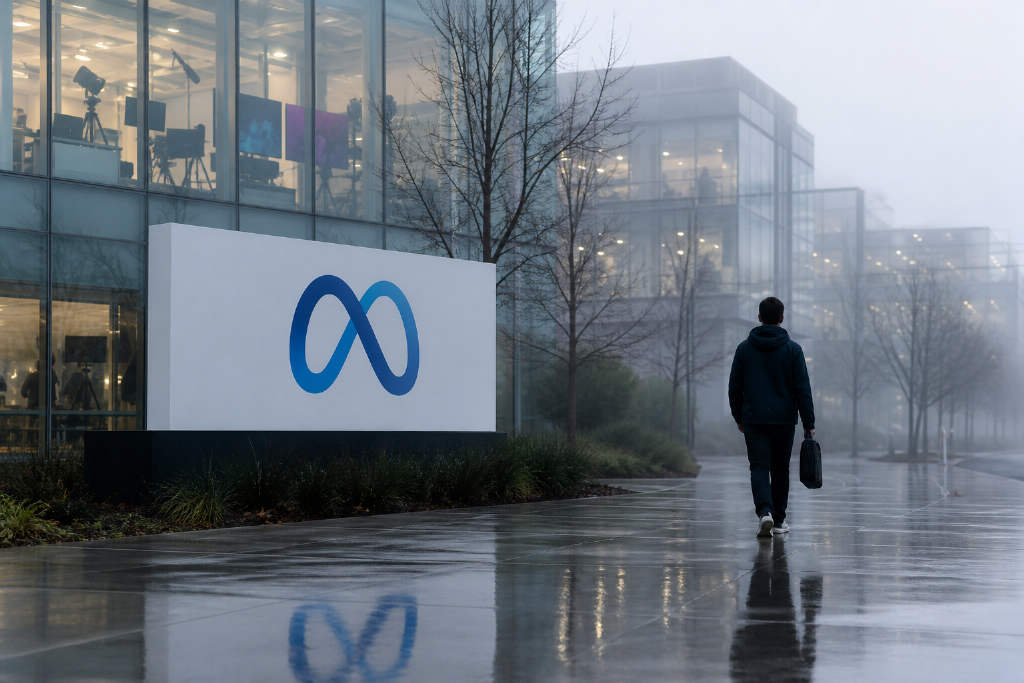
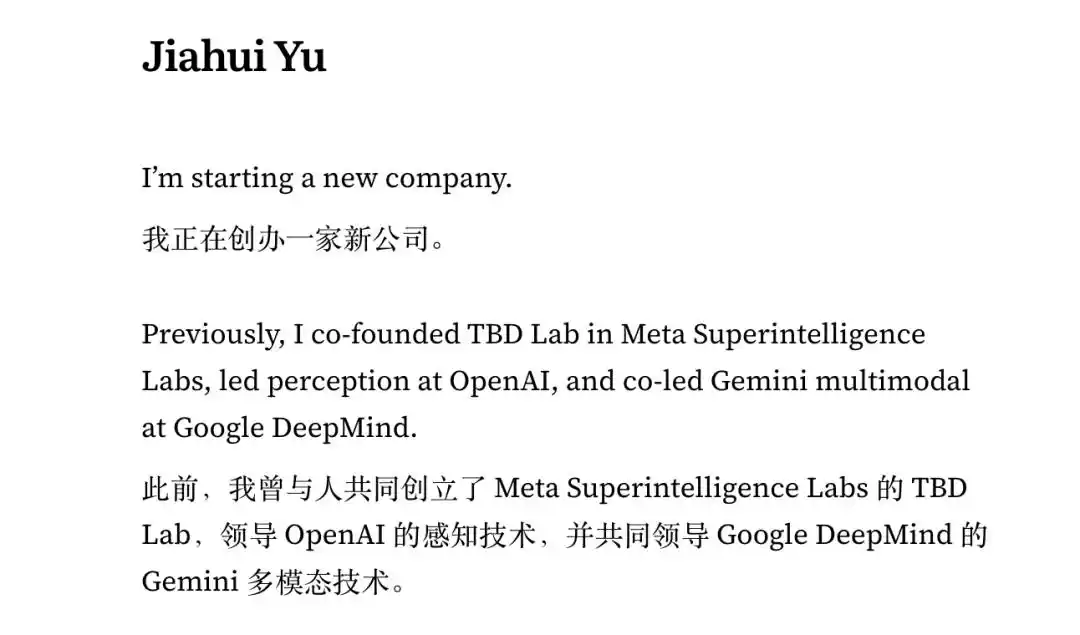
Jiahui Yu has left Meta and is starting a company of his own.
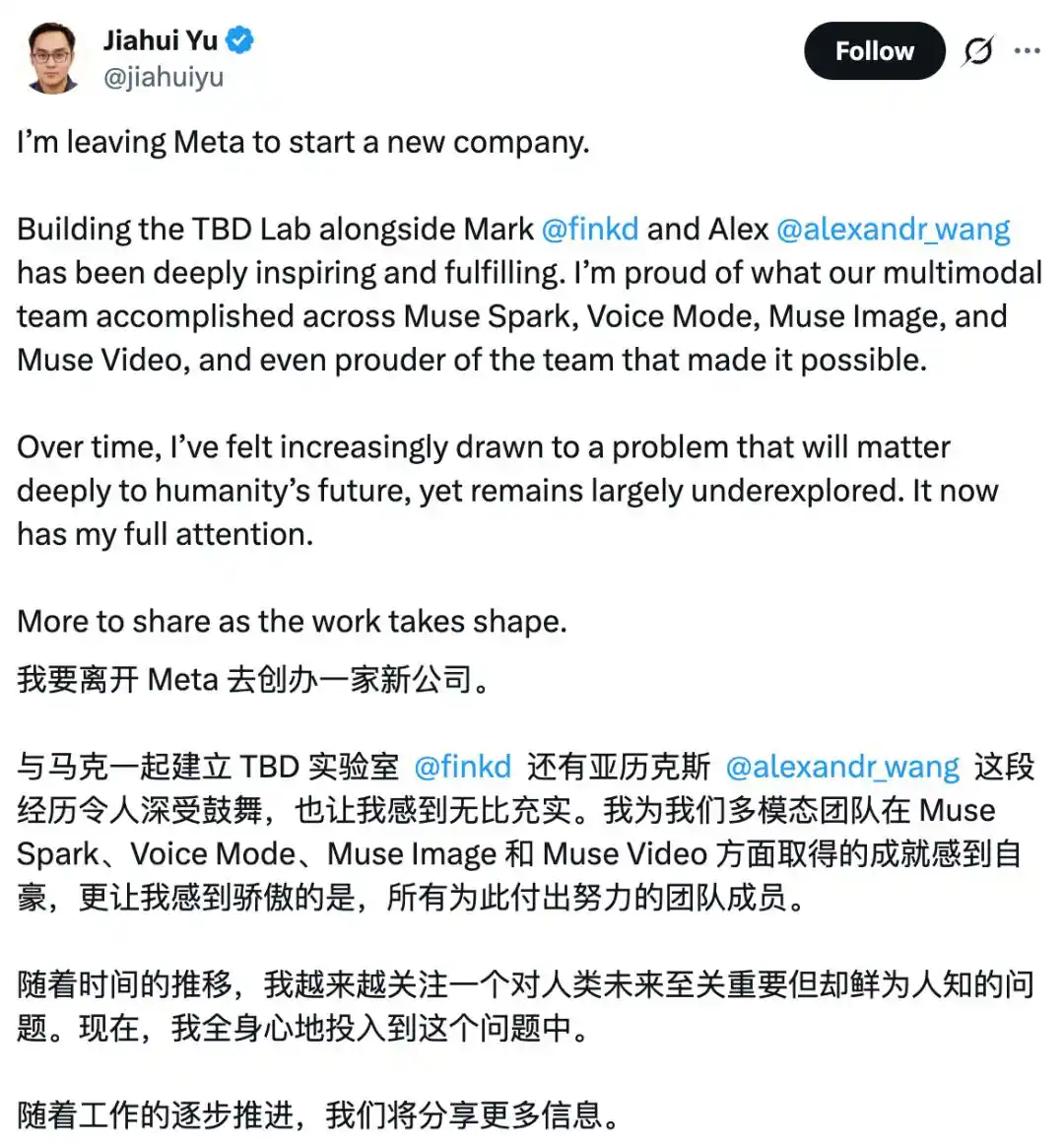
Yu said he joined Meta in late June 2025 and announced his departure on August 14, 2026, putting his time at the company at a little over one year. His personal website has also been updated. The announcement came only days after Meta rolled out Muse Spark 1.2.
In his statement, Yu said that building TBD Lab with Meta CEO Mark Zuckerberg and Meta Chief AI Officer Alexandr Wang had been 「very inspiring and fulfilling」. He highlighted several results delivered by the team over the past year and said he had become increasingly drawn to a question he described as highly important to humanity but still insufficiently explored. That question, he wrote, will now receive his full attention.
He did not reveal the name of the new company, what exactly it will work on, or who else is involved. His only hint was: 「More to share as the work takes shape.」
Led multimodal work inside TBD Lab
In late June 2025, Yu, Zhao Shengjia, Bi Shuchao, Ren Hongyu and other OpenAI researchers were reported to have joined Meta’s newly assembled superintelligence team. Around that period, claims of a 「$100 million annual pay package」 circulated widely as Meta stepped up its recruiting campaign.
Not long after, Zuckerberg formally announced Meta Superintelligence Labs, or MSL. The lab was put under the leadership of Alexandr Wang. According to the source material, Meta also invested $14.3 billion in Scale AI and hired aggressively from OpenAI, Google DeepMind and Apple.
TBD Lab is one of the core model research teams under MSL and is responsible for building Meta’s next-generation frontier models. Yu was a founding member and led the multimodal direction.
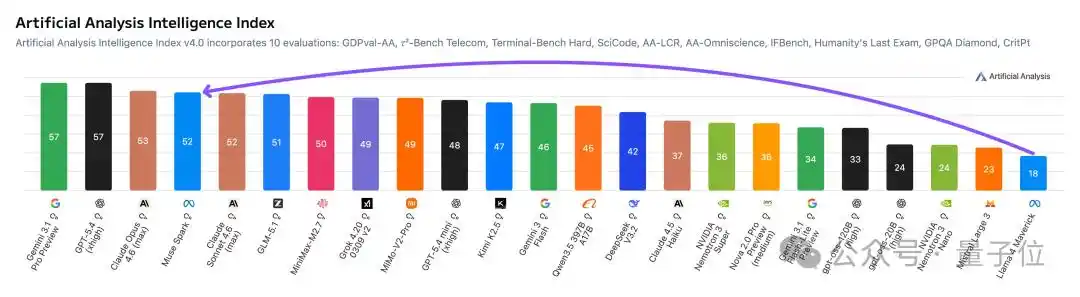
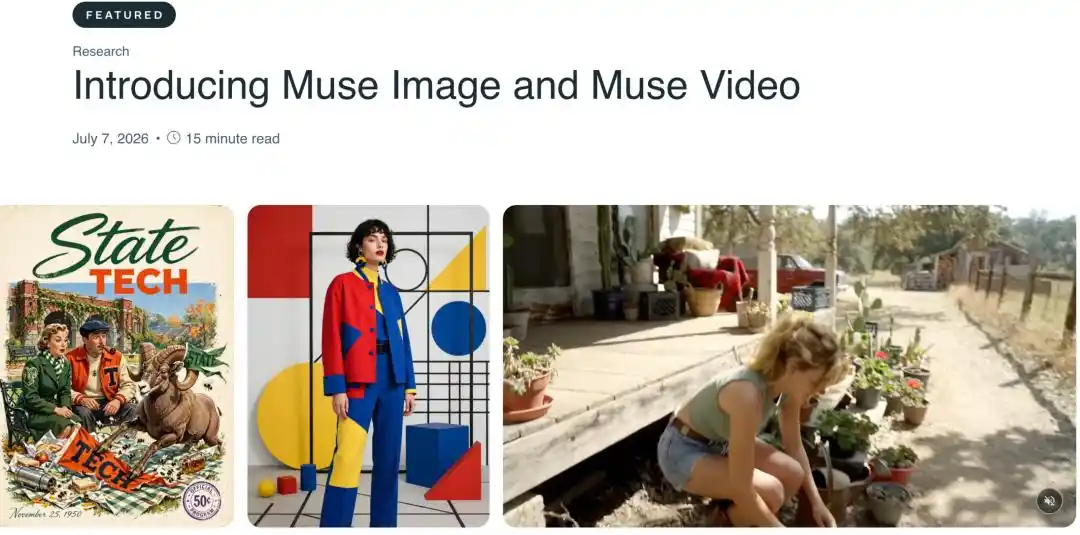
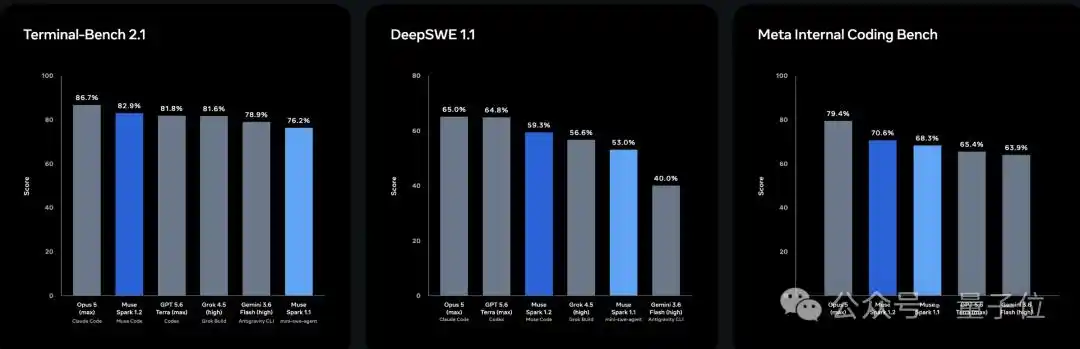
In April this year, the team delivered its first major output, Muse Spark. It was the first foundation model released after MSL was established, and the source text describes it as a sign that Meta’s frontier model focus had shifted from Llama to the Muse family. After that, Yu’s team released Voice Mode, Muse Image and Muse Video, covering speech, image and video generation. The latest update, Muse Spark 1.2, put added emphasis on coding, long-horizon agent tasks and multimodal capabilities.
During his year at Meta, Yu was involved in building a team from scratch, rebuilding the technical stack and shipping the broader Muse lineup in rapid sequence.
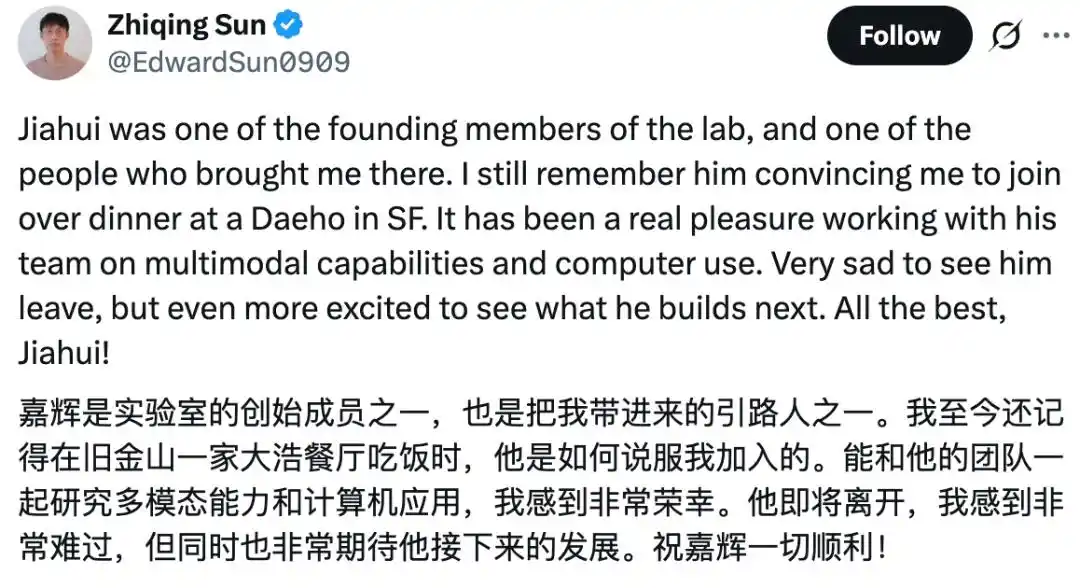
Meta researcher Zhiqing Sun said Yu was also one of the people who recruited him to Meta. Sun recalled that the two once had dinner at Daeho in San Francisco, where Yu persuaded him to join TBD Lab. They later worked together on multimodal capabilities and Computer Use.
Compensation rumors drew attention, but no definitive figure is public
There is still no authoritative public answer on how much Yu was paid.
Even so, he was one of the most closely watched names in the Silicon Valley AI talent battle last year. OpenAI CEO Sam Altman said publicly at the time that Meta had offered some OpenAI employees a $100 million signing bonus as well as higher annual compensation.
WIRED later reported that packages for a small number of top AI researchers could reach $300 million over four years, with first-year total compensation potentially exceeding $100 million.
Meta CTO Andrew Bosworth later said the widely discussed $100 million figure was not something everyone received, and it was not simply a signing payment wired on day one. He said it could refer to a broader package including stock, bonuses, tenure requirements and performance conditions.
That leaves open the question of whether Yu himself ever received what was described publicly as a 「$100 million annual salary」.
Career spans computer vision, multimodal models and product deployment
Yu’s background lines up with several of the most sought-after areas in large model development.
He studied at the School of the Gifted Young at the University of Science and Technology of China before pursuing a PhD at the University of Illinois Urbana-Champaign under computer vision scholar Xutao Huang. During his doctoral work, he helped develop DeepFill, a system used to remove objects from photos and automatically fill in the background with AI.
He later joined Google Brain, where his work expanded from computer vision into multimodal large models, and he participated in and co-led parts of Gemini’s multimodal direction. After moving to OpenAI in late 2023, he led the Perception team and contributed to GPT-4o, GPT-4.1 and a series of o-models.
The source material says Meta urgently needed to rebuild its frontier model capabilities after Llama 4 did not meet expectations. In that setting, Yu stood out because he had experience in foundational vision research, large model development at both Google and OpenAI, and the practical work of pushing multimodal systems into products.
alphaXiv page lists 929 researchers who no longer work at Meta
After Yu’s departure, online discussion quickly turned to how many researchers Meta has lost more broadly.
Research paper platform alphaXiv compiled a list of former Meta researchers and said that before Yu, more than 200 well-known researchers had already left the company. Its search page also showed 929 researchers matching the condition of having worked at Meta in the past but no longer being there now.
According to the source text, Yu appears at the top of that list. It is followed by researchers who recently moved to Google, became chief scientists at startups, or joined stealth startup projects. alphaXiv also used a play on TBD, writing: 「The future of Meta AI is also TBD (To Be Determined).」
Earlier, Altman had criticized Meta’s high-pay recruiting approach with the line: 「Missionaries will beat mercenaries.」 Now that Yu has left as well, the question of whether Meta’s expensive talent strategy worked remains unanswered in the source material.