
Kioxia used a large shareholder return package to lift its stock even after posting weaker-than-expected earnings and a softer full-year outlook. Tokyo Stock Exchange data showed the Japanese memory maker rose 5.27% on Aug. 3 and added another 4.54% the following day.
The move came after the company announced a buyback and stock split alongside its second-quarter results, shifting attention away from the earnings miss and toward capital allocation.
Kioxia pairs weak results with buyback and split
Kioxia said it will launch a share repurchase program of up to ¥800 billion. The company said the planned buyback equals 5.5% of its total outstanding shares.
It also announced a 1-for-3 stock split to take effect in October this year. The report said the split is intended to lower the price per share, reduce the entry barrier for retail investors, and improve market liquidity.
Those two steps became the main driver of the share-price reaction, even as the company’s quarterly figures and full-year guidance came in below market expectations.
SK Hynix swings after strong quarter
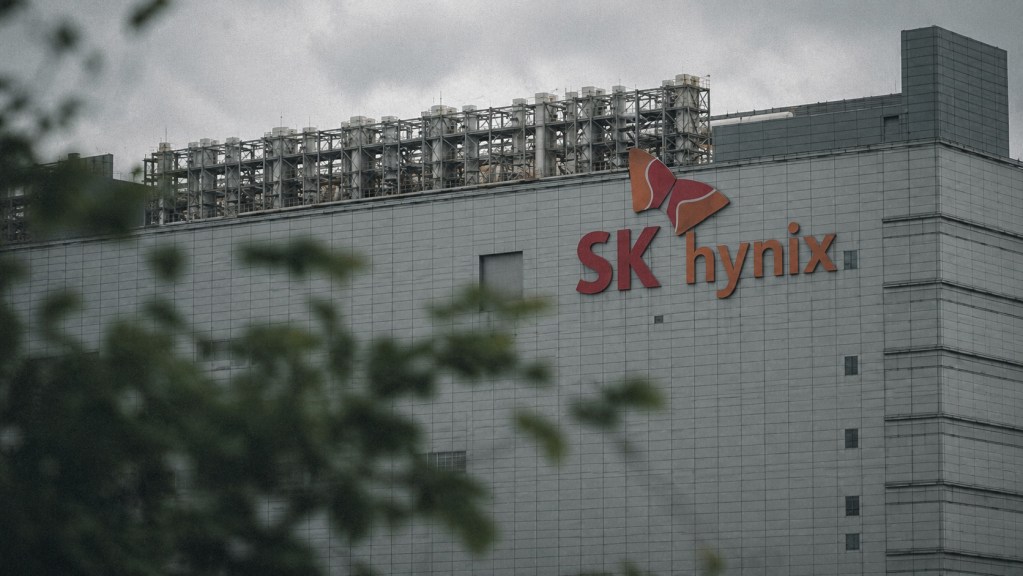
SK Hynix showed a different pattern. The South Korean chipmaker released its second-quarter earnings on July 31, and its shares hit the daily upper limit that day. A few days later, however, the stock fell more than 13% at one point before narrowing the drop to around 9%.
The report contrasted SK Hynix’s handling of shareholder returns with Samsung Electronics, which had already set out a clearer direction during its earnings call in the same quarter. SK Hynix said only that it “fully understands the high level of market attention, is currently reviewing various additional return methods, and will share the details with the market within the year once a specific plan is confirmed.” No quantified commitment was given.
Korea Economic Daily cites analyst on rerating trigger
The Korea Economic Daily, citing SK Securities researcher Han Dong-hee, said a rerating in memory stocks depends not on an ADR listing but on the actual rollout of shareholder return policies. He said the profit visibility implied by long-term agreements, or LTAs, would only be fully priced in once those return measures are made specific.
Han also said conditions for new shareholder returns are becoming more favorable. He pointed to dividend income from the sale of Kioxia SPC1 and said net cash could reach the 100 trillion won level after the ADR issuance, leaving the company with ample financial capacity. He added that SK Hynix’s current shareholder return policy runs through next year, making this a fitting time to present a new plan.
SEC quiet period limits what SK Hynix can say
The report said SK Hynix has not announced a detailed shareholder return package yet because of U.S. securities rules. Its ADR formally began trading in the U.S. on July 10. Under U.S. Securities and Exchange Commission rules, a newly listed company is subject to a 25-day quiet period, including weekends, during which it cannot publicly disclose material information beyond what is contained in the prospectus. Violations can bring legal liability.
By that calculation, the quiet period is set to expire late on Aug. 4, Korea time. The report said the market is watching whether SK Hynix will release the concrete terms of a shareholder return plan once that restriction ends.
Kioxia’s case shows how shareholder returns can offset negative sentiment tied to earnings. For SK Hynix, the next question is whether its capital return policy becomes concrete after the quiet period lifts.