Controversial Valuation and Stani's Swift Clarification
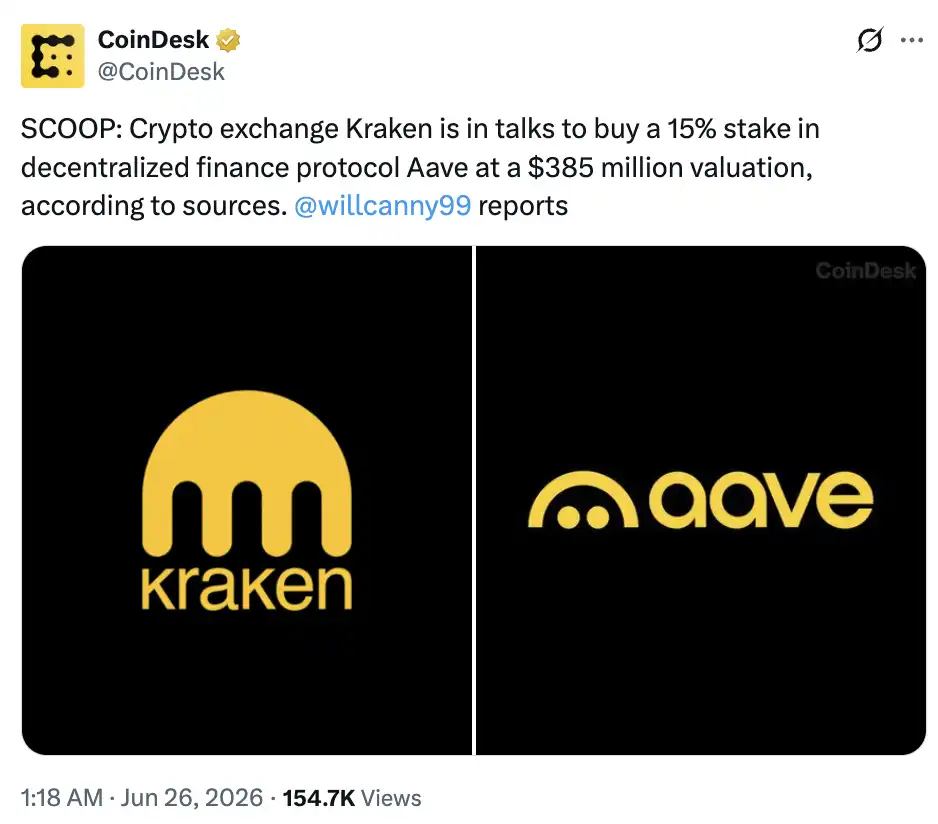
Early this morning, CoinDesk reported that crypto exchange Kraken is in talks to acquire a stake in Aave. The proposed structure: Kraken would transfer 35,000 ETH in exchange for 250,000 AAVE tokens plus a 15% equity stake in Aave Group, with the entire deal valued at approximately $71 million, implying a $385 million valuation for Aave Group. The report noted this is the first transaction under Payward Asset Management, which plans to syndicate the deal externally, signaling more aggressive participation in DeFi and other investment opportunities.
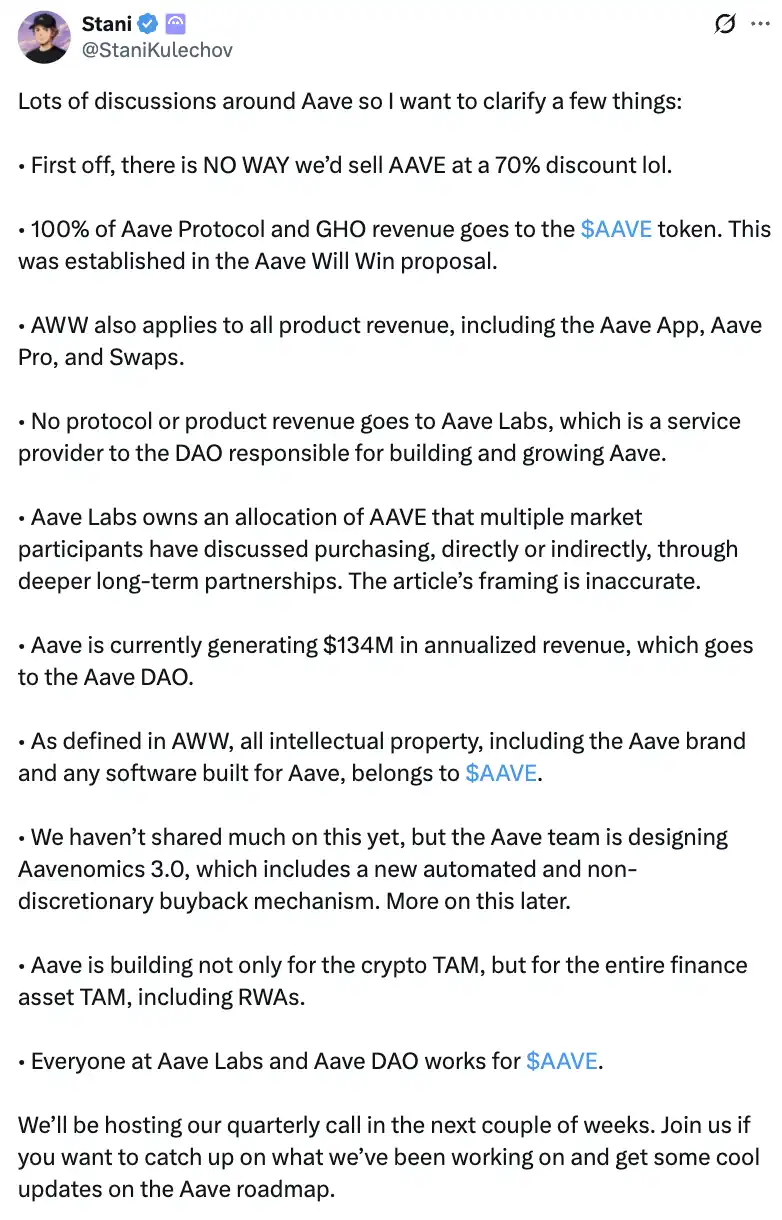
The most striking aspect is the valuation: $385 million represents a nearly 70% discount to AAVE's token market cap of approximately $1.24 billion. Aave has consistently maintained that all protocol value accrues to the token. If true, why would Kraken pay for equity? Hours later, Aave founder Stani Kulechov firmly denied the framework. He stated Aave Labs would never sell AAVE at a 70% discount; the discussions involve only Labs' own AAVE holdings, negotiated with multiple market participants for deeper long-term collaboration, unrelated to the protocol layer. He emphasized that all revenue from the Aave protocol, GHO stablecoin, and even products like Aave App, Aave Pro, and Swaps flows to AAVE token holders under the 'Aave Will Win' proposal. Aave Labs, as a DAO service provider, receives no protocol revenue. Stani also revealed the team is designing Aavenomics 3.0, introducing an automated buyback mechanism without manual intervention.
Kraken's Full-Stack Ambition: Exchange to Infrastructure Giant
Kraken's underlying motivation is clear: building an IPO narrative as a comprehensive financial infrastructure company. Over the past 18 months, Kraken has advanced on three fronts. First, infrastructure buildout: its in-house L2 'Ink' aims to migrate CEX users on-chain for lending and trading. Ink's most active protocol is perp DEX 'Nado', offering unified margin accounts for spot, margin, and perpetuals, attracting real users through points and airdrop expectations. Second, strategic acquisitions: $550 million for derivatives exchange Bitnomial (CFTC licenses); $600 million for stablecoin payment company Reap (card issuance, cross-border settlement); acquisition of Backed Finance (tokenized stock protocol xStock); and Magna (token management platform) in February. Third, regulatory status: In March, Kraken became the first digital asset bank to receive a Fed master account, enabling direct USD settlement via Fedwire. The same month, Nasdaq partnered with Kraken to build a stock tokenization framework, preserving issuer control and shareholder rights. Kraken is transforming from a crypto exchange into a full-stack financial infrastructure firm.
IPO Journey: Paused but Not Abandoned, Seeking New Weight
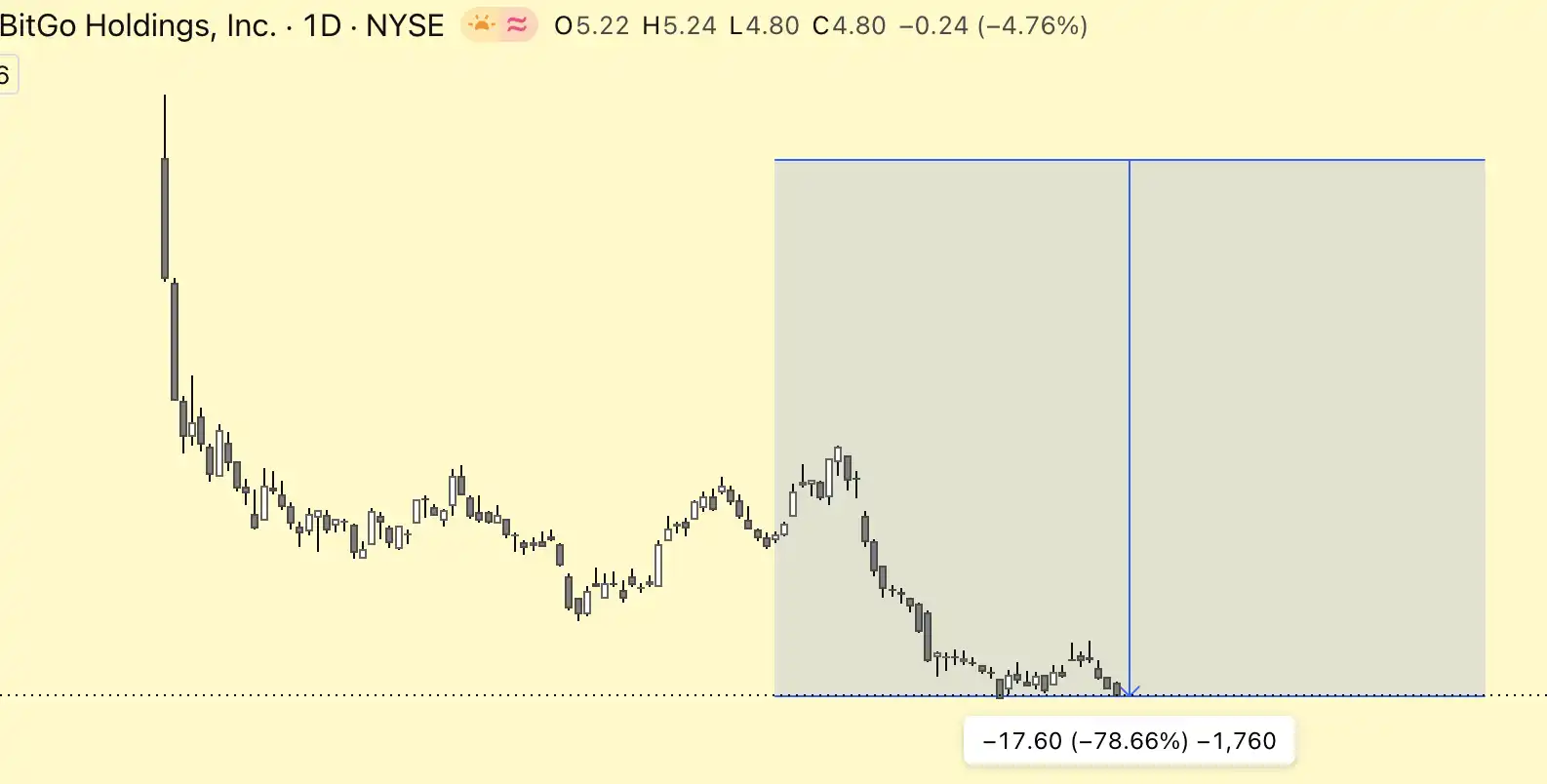
All strategic moves point toward an IPO. In November, Payward raised $800 million at a $20 billion valuation from investors including Citadel Securities, Jane Street, and Apollo Global Management. However, on March 18, 2026, Kraken's IPO was paused. The core reason: a brutal market downturn—Bitcoin fell from $126,000 in October 2025 to around $65,000, erasing over $1 trillion in market cap. BitGo, the only digital asset company to go public in 2026, saw its stock drop 44%, serving as a cautionary tale. While 2025 saw at least 11 crypto IPOs raising $14.6 billion total, 2026 opened much colder. Advisors say investors now scrutinize financial infrastructure candidates more closely on compliance maturity, recurring revenue, and resilience. A month before the pause, Kraken replaced its CFO of 16 months with a promoted deputy CFO—a red flag for a company under due diligence.
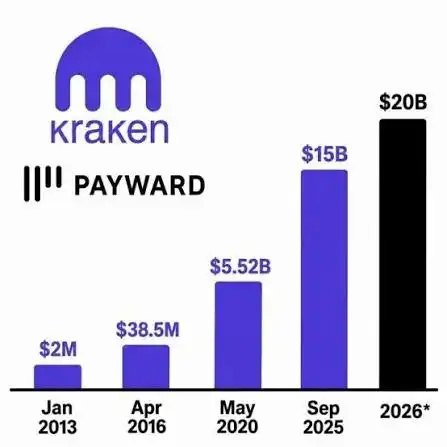
Yet the pause is not a retreat. In May, reports emerged that Payward is raising fresh funds at a $20 billion valuation. Co-CEO Arjun Sethi has repeatedly stated the goal remains a 2026 year-end IPO. Expect Kraken to make more moves in the coming months to add weight to its S-1 filing. The Aave deal—if it closes—is just the latest step. As for what exactly 15% equity buys, the answer may only come when Kraken files its S-1 with the SEC.